Francisco de Montejo
Spanish conquistador and colonial official
Years: 1479 - 1553
Francisco de Montejo y Alvarez (c. 1479 in Salamanca – c. 1553 in Spain) was a Spanish conquistador in Mexico and Central America.
Related Events
Filter results
Showing 10 events out of 20 total
The importance given to the news, objects, and people that Hernández had brought to Cuba can be gleaned from the speed with which the following expedition has been prepared.
The governor Diego Velázquez places his nephew Juan de Grijalva, who has his complete confidence, in charge of this second expedition.
The news that this "island" of Yucatán has gold, doubted by Bernal but enthusiastically maintained by Julianillo, the Maya prisoner taken at the battle of Catoche, feeds the subsequent series of events that is to end with the Conquest of Mexico by the third flotilla sent, that of Hernán Cortés.
Governor Velázquez provides all four ships, in an attempt to protect his claim over the peninsula.
The small fleet is stocked with crossbows, muskets, barter goods, salted pork and cassava bread.
According to Hernán Cortés, one hundred and seventy people traveled with Grijalva, but according to the court historian Peter Martyr there were three hundred people.
The principal pilot is Antón de Alaminos; the other pilots are Juan Álvarez, Pedro Camacho de Triana, and Grijalva.
Other members include Francisco de Montejo, who will eventually conquer much of the peninsula, Pedro de Alvarado, Juan Díaz, Francisco Peñalosa, Alonso de Ávila, Alonso Hernández, Julianillo, Melchorejo, and Antonio Villafaña.
Bernal Díaz del Castillo serves on the crew; he is able to secure a place on the expedition as a favor from the governor, who is his kinsman.
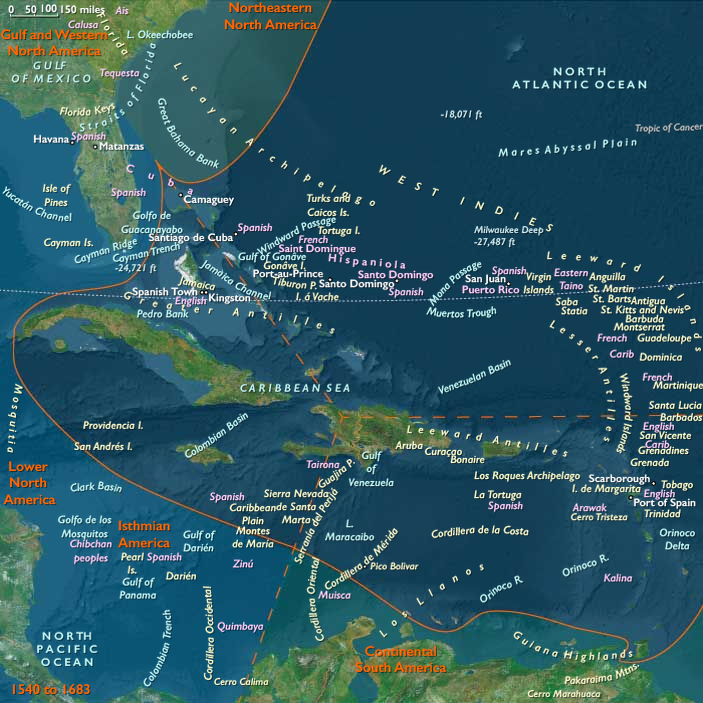
They embark from the port of Matanzas, Cuba, with four ships in April 1518.
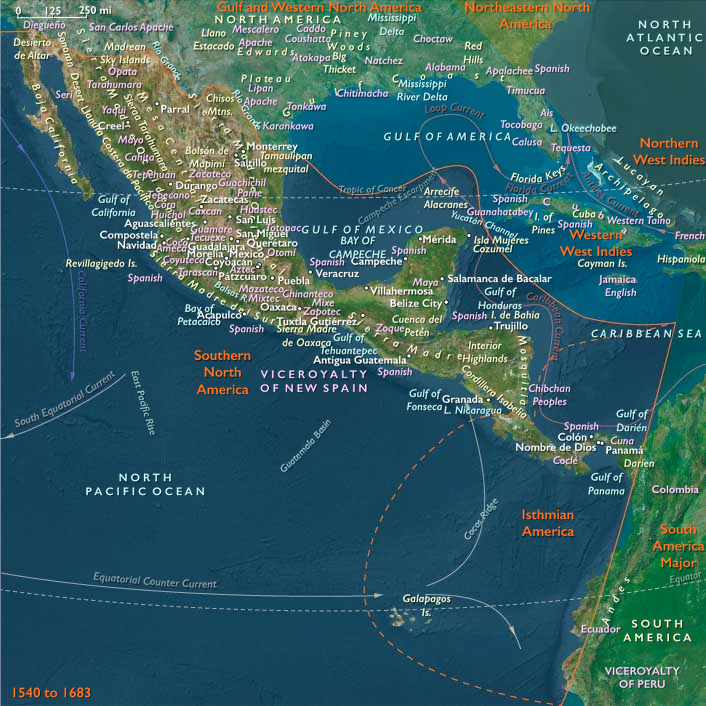
Juan de Grijalva, after rounding the Guaniguanico in Cuba, sails along the Mexican coast and discovers Cozumel.
The Maya inhabitants flee the Spanish and will not respond to Grijalva's friendly overtures.
The Maya are believed to have first settled Cozumel by the early part of the first millennium CE, and older Preclassic Olmec artifacts have been found on the island as well.
The island is sacred to Ix Chel, the Maya Moon Goddess, and the temples here are a place of pilgrimage, especially by women desiring fertility.
There are today a number of ruins on the island, most from the Post-Classic period.
The largest Maya ruins on the island are near the downtown area and have now been destroyed.
Today, the largest remaining ruins are at San Gervasio, located approximately at the center of the island.
The fleet sails south from Cozumel, along the east coast of the peninsula.
The Spanish spot three large Maya cities along the coast, one of which is probably Tulum, a busy Maya commercial center with dazzling white buildings.
On Ascension Thursday the fleet discovers a large bay, which the Spanish name Bahía de la Ascensión.
Grijalva does not land at any of these cities and turns back north from Ascensión Bay.
Looping around the north of the Yucatán Peninsula to sail down the west coast, at Campeche the Spanish try to barter for water but the Maya refuse, so Grijalva opens fire against the city with small cannon; the inhabitants flee, allowing the Spanish to take the abandoned city.
Messages are sent with a few Maya who had been too slow to escape but the Maya remain hidden in the forest.
The Spanish boards their ships and continue along the coast.
The fleet is approached by a small number of large war canoes at Champotón, where the inhabitants had routed Hernández and his men, but the ships' cannon soon puts them to flight.
Grijalva arrives on May 1 at the Tabasco region in southern Mexico.
(The Río Grijalva, formerly Río Tabasco, is named after him.)
At the mouth of the Tabasco River the Spanish sight massed warriors and canoes but the natives do not approach.
By means of interpreters, Grijalva indicates that he wishes to trade and barters wine and beads in exchange for food and other supplies.
From the natives they receive a few gold trinkets and news of the riches of the Aztec Empire to the west.
The expedition travels far enough to confirm the reality of the gold-rich Aztec empire, sailing as far north as Pánuco River.
Alvarado orders his ship upstream at the Papaloapan River, leaving the rest of the small fleet behind to wait for him at the river mouth.
This action greatly angers Grijalva, who fears that a lone ship could be lost.
After this, the Spanish refer to the river as the Río de Alvarado ("Alvarado's River").
A little further along the coast, the fleet encounters settlements under Aztec dominion, and is met by Aztec emissaries with gifts of gold and jewels sent by the Emperor Moctezuma II.
Grijalva, as punishment for Alvarado entering the Papaloapan River without orders, had sent him back to Cuba with the ship San Sebastián to relay news of the discoveries.
Alvarado makes a triumphal entry to Santiago de Cuba, with a great display of the wealth that has been gained from the expedition.
His early arrival in Cuba allows him to ingratiate himself with Governor Velázquez before Grijalva's return.
The rest of the fleet puts into the port of Havana five months after it had left.
Grijalva is coldly received by the governor, who Alvarado has turned against him, claiming much of the glory of the expedition for himself.