Fernão Mendes Pinto
Portuguese explorer and writer
Years: 1509 - 1583
Fernão Mendes Pinto (Portuguese pronunciation: [fɨɾˈnɐ̃w̃ ˈmẽdɨʃ ˈpĩtu], Old Portuguese: Fernam Mendez Pinto) (Montemor-o-Velho, c. 1509 — Almada, Pragal, 8 July 1583) is a Portuguese explorer and writer.
His exploits are known through the posthumous publication of his memoir Pilgrimage (Portuguese: Peregrinação) in 1614, an autobiographical work whose validity is nearly impossible to assess.
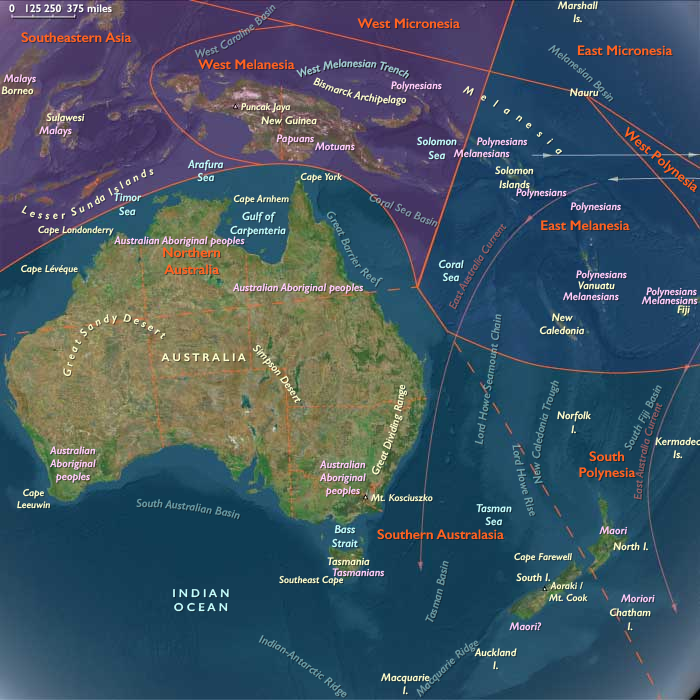
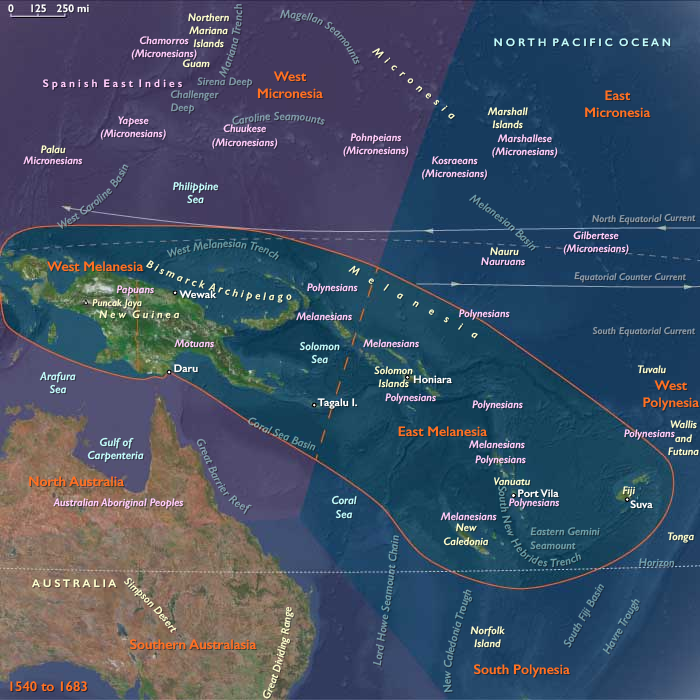
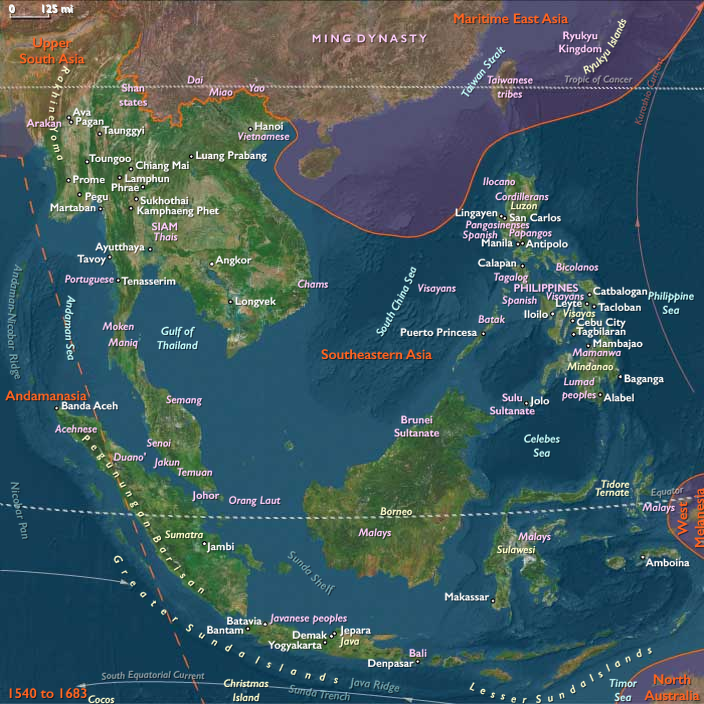
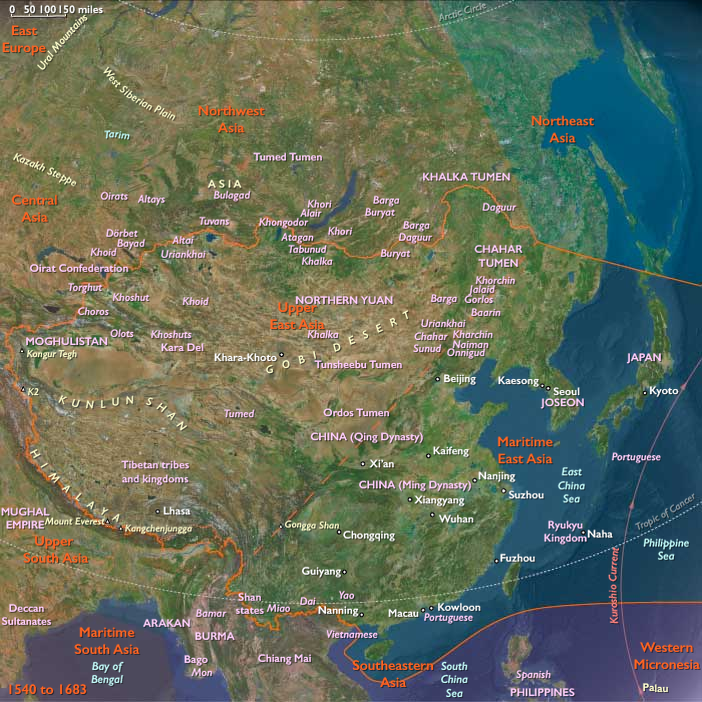
In the course of his travels in the Middle and Far East, Pinto visits Ethiopia, the Arabian Sea, China (where he claimsto have been a forced laborer on the Great Wall), India and Japan.
He claims to have been among the first group of Europeans to visit Japan and initiate the Nanban trade period.
He also claims to have introduced the gun there in 1543.
It is known that he funded the first Christian church in Japan, after befriending a Catholic missionary and founding member of the Society of Jesus later known as St. Francis Xavier.
At one time Pinto himself is a Jesuit, though he later leaves the order.
Pilgrimage shows Pinto as sharply critical of Portuguese colonialism in the Far East, recording moral and religious objections to what he perceived to be a hypocritical and greedy enterprise disguised as a religious mission.
This view will later become common, but is unusual at the time.
The vivid tales of his wanderings over twenty years – he writes, for example, that he was "thirteen times made captive and seventeen times sold" – are so unusual that they are mostly not believed.
They give rise to the saying "Fernão, Mentes?
Minto!
", a Portuguese pun on his name meaning "Fernão, do you lie?
Yes, I lie!"