Eugene of Savoy
Savoyard military commander
Years: 1663 - 1736
Prince Eugene of Savoy (François Eugène; 18 October 1663 – 21 April 1736), is one of the most successful military commanders in modern European history, rising to the highest offices of state at the Imperial court in Vienna.
Born in Paris to aristocratic Savoyard parents, Eugene grew up around the French court of King Louis XIV.
Based on his poor physique and bearing the Prince was initially prepared for a career in the church, but by the age of 19 he had determined on a military career.
Rejected by Louis XIV for service in the French army, Eugene moved to Austria and transferred his loyalty to the Habsburg Monarchy.
Spanning six decades Eugene serves three Habsburg Holy Roman Emperors: Leopold I, Joseph I, and Charles VI.
He first sees action against the Ottoman Turks at the Siege of Vienna in 1683 and the subsequent War of the Holy League, before serving in the Nine Years' War, fighting alongside his cousin, the Duke of Savoy.
However, the Prince's fame is secured with his decisive victory against the Ottomans at the Battle of Zenta in 1697, earning him European-wide fame.
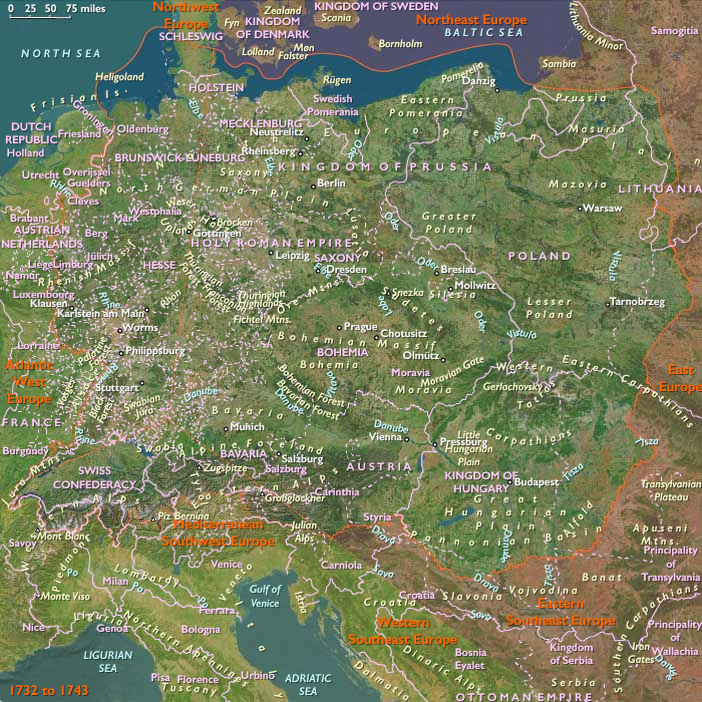
Eugene enhances his standing during the War of the Spanish Succession where his partnership with the Duke of Marlborough secures victories against the French on the fields of Blenheim (1704), Oudenarde (1708), and Malplaquet (1709); he gains further success in the war as Imperial commander in northern Italy, most notably at the Battle of Turin (1706).
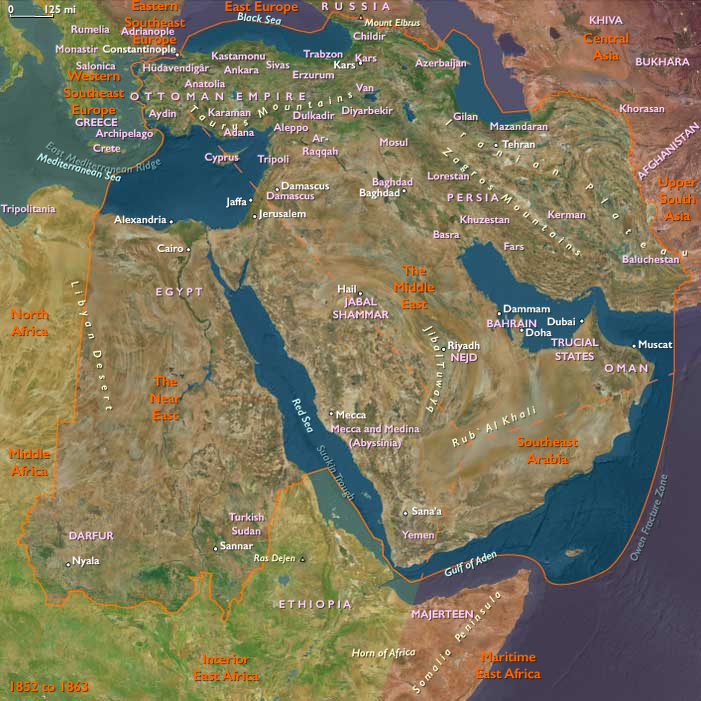
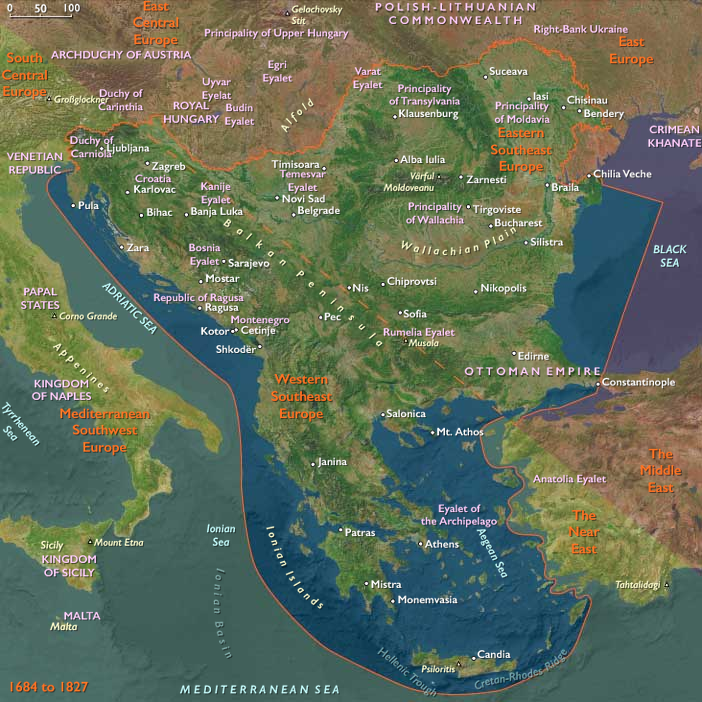
Renewed hostilities against the Ottomans in the Austro-Turkish War consolidate his reputation with victories at the battles of Petrovaradin (1716), and the decisive encounter at Belgrade (1717).
Throughout the late 1720s Eugene's influence and skillful diplomacy manage to secure the Emperor powerful allies in his dynastic struggles with the Bourbon powers; but physically and mentally fragile in his later years Eugene enjoys less success as commander-in-chief of the army during his final conflict, the War of the Polish Succession.
Nevertheless, in Austria Eugene's reputation remains unrivaled.
Although opinions differ as to his character there is no dispute over his great achievements: he helped to save the Habsburg Empire from French conquest; he broke the westward thrust of the Ottomans, liberating central Europe after a century and a half of Turkish occupation; and he was one of the great patrons of the arts whose building legacy can still be seen in Vienna today.
Eugene dies in his sleep at his home on 21 April 1736, aged 72.