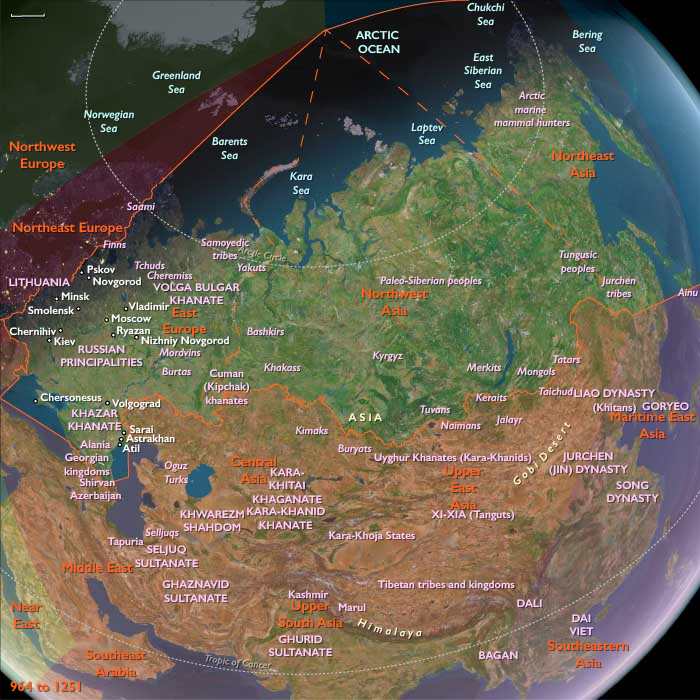
Genghis Khan, after defeating Khwarezm in 1221, had prepared his armies to punish Western Xia for their betrayal.
Meanwhile, Emperor Shenzong had stepped down from power in 1223, leaving his second son Lǐ Déwàng, in his place.
As Emperor Xianzong, Lǐ Déwàng reverses his father’s policy and decides to ally with Jin.
However, the Jin Empire is under attack by the Mongol Empire and is unable to help out Western Xia.
When Genghis Khan returns from his campaign, Xianzong pleads with him, but the general Aša-gambu challenges the Mongol ruler.
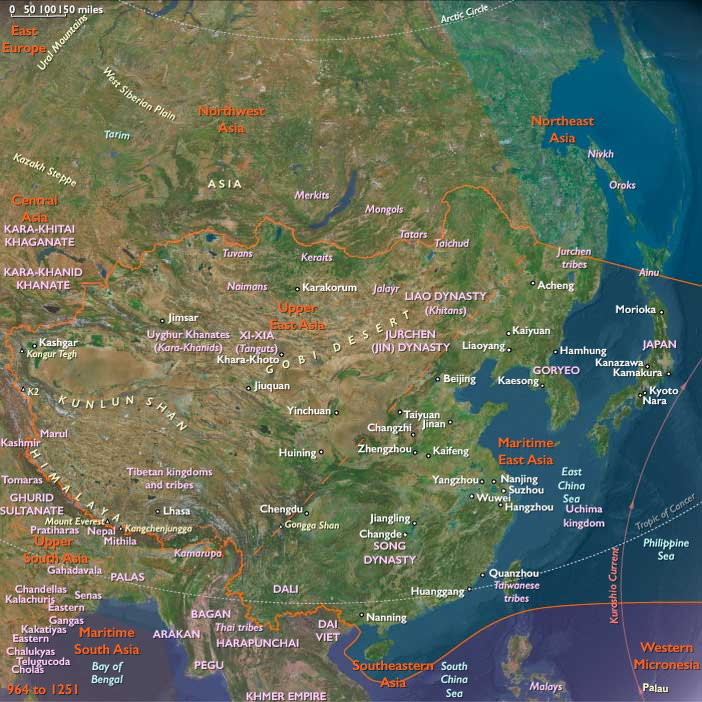
After taking Khara-Khoto, the Mongols have begun a steady advance southward, attacking with a force of approximately one hundred and eighty thousand.
Aša-gambu, commander of the Western Xia troops, cannot afford to meet the Mongols as it would involve an exhausting westward march from the capital Yinchuan through five hundred kilometers of desert.
Enraged by Western Xia's fierce resistance, Genghis subjects the countryside to annihilative warfare and orders his generals to systematically destroy cities and garrisons as they go.
With no army to meet them in pitched battle, the Mongols pick the best targets for attack and as each city falls the Mongols draw on prisoners, defectors, supplies, and weapons to take the next one.
The Western Xia armies, exhausted by the long and incessant wars against the Jin, are unable to beat back the Mongol assaults.
Two months after taking Khara-Khoto, the Mongols reach a point where the Qilian Mountains force the Etsin River eastward, about three hundred kilometers south of Khara-Khoto.
Here, Genghis divides his army, sending general Subutai to subdue the westernmost cities, while the main force moves east into the heart of the Western Xia Empire.
Genghis lays siege to the Suzhou district, which falls after five weeks.