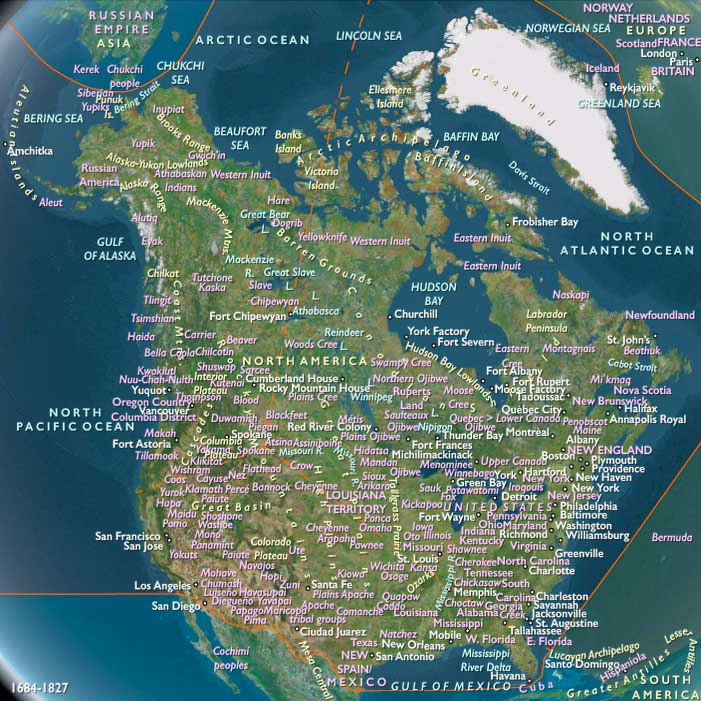
Fort Charlotte was built in 1717 by the French as Fort Condé when Mobile was part of the French province of Louisiana (New France).
By 1763, when the British took over following the French and Indian War, the fort was in ruins.
While it was repaired at that time, by the time hostilities with Spain neared in 1779, it was again in disrepair.
The garrison's regulars are primarily from the 60th regiment, and are augmented by Loyalists from Maryland and Pennsylvania, as well as local volunteers, in total about three hundred men.
Ever since news of Gálvez' successes had reached Mobile, Elias Durnford, who had taken command of Fort Charlotte in January 1780, had been directing improvements to the fort's defenses.
On March 1, Gálvez had sent Lt. Col. Francisco Bouligny to deliver a letter to Durnford offering to accept his surrender, which was politely rejected.
Gálvez began setting up gun batteries around the fort the next day.
Durnford wrote to General John Campbell at Pensacola requesting reinforcements.
On March 5 and 6, most of the Pensacola garrison left on a march toward Mobile.
Delayed by difficult river crossings, this force will be unable to assist the Fort Charlotte garrison.
While the Spanish engaged in siege operations to move their guns nearer the fort, Gálvez and Durnford had engaged in a courteous written dialogue.
For example, Gálvez had politely criticized Durnford for burning some houses in order to deny the cover they provided to the Spaniards.
Durnford had responded by pointing out that the other side of the fort (away from most of the town) offered a better vantage point for attack.
All the while, the Spanish had continued to dig trenches and bombard the fort
On March 13, the walls of Fort Charlotte were breached, and Durnford capitulates the next day, surrendering his garrison.
View Event