Edmund Campion
English Jesuit priest and martyr
Years: 1540 - 1581
Edmund Campion, S.J.
(January 24, 1540 – December 1, 1581) is an English Jesuit priest and martyr.

Related Events
Filter results
Showing 10 events out of 10 total
Sir Thomas White, lately Lord Mayor of London, and Master of the Merchant Taylors' Company, on May 1, 1555, obtains a Royal Patent of Foundation to create an eleemosynary institution for the education of students within the University of Oxford.
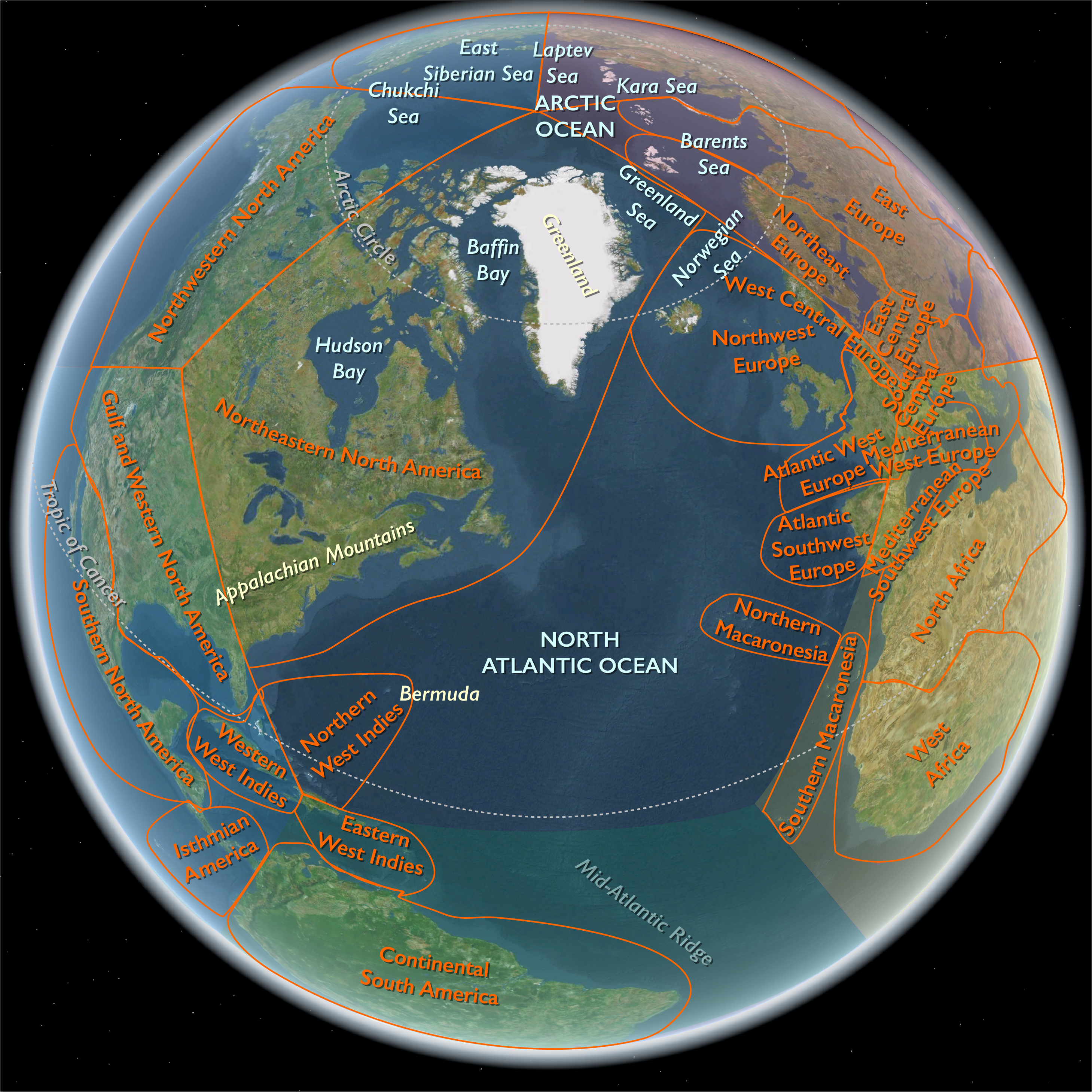
A Roman Catholic, White intends St. John's College, as the Oxford constituent college is known today, to provide a source of educated Roman Catholic clerics to support the Counter-Reformation under Queen Mary; Edmund Campion, the Roman Catholic priest and martyr, will study here.
White has acquired buildings on the east side of St. Giles', north of Balliol and Trinity Colleges, which had belonged to the former College of St. Bernard, a monastery and house of study of the Cistercian order that had been closed during the Dissolution of the Monasteries.
The new St. John's College is initially rather small and not well endowed financially.
The college is today reputed to be the wealthiest in Oxford, with an estimated financial endowment of three hundred and four million pounds million as of 2006.
Edmund Campion, who had held a fellowship at St. John's College, Oxford, had in 1566 welcomed Queen Elizabeth to the university, and won her lasting regard when was chosen among the scholars to lead a public debate in front of the queen.
By the time Elizabeth had left Oxford, Campion had earned the patronage of the powerful William Cecil and also the Earl of Leicester, tipped by some to be future husband of the young Queen.
People were now talking of Campion in terms of being a future Archbishop of Canterbury, in the newly established Anglican Church.
Religious difficulties had then aroisen; but at the persuasion of Richard Cheyney, Bishop of Gloucester, although holding Catholic doctrines, Campion had received deacon's orders in the Anglican Church.
Inwardly "he took a remorse of conscience and detestation of mind."
Rumors of his opinions began to spread and, giving up the office of proctor, he leaves Oxford in 1569 and ...
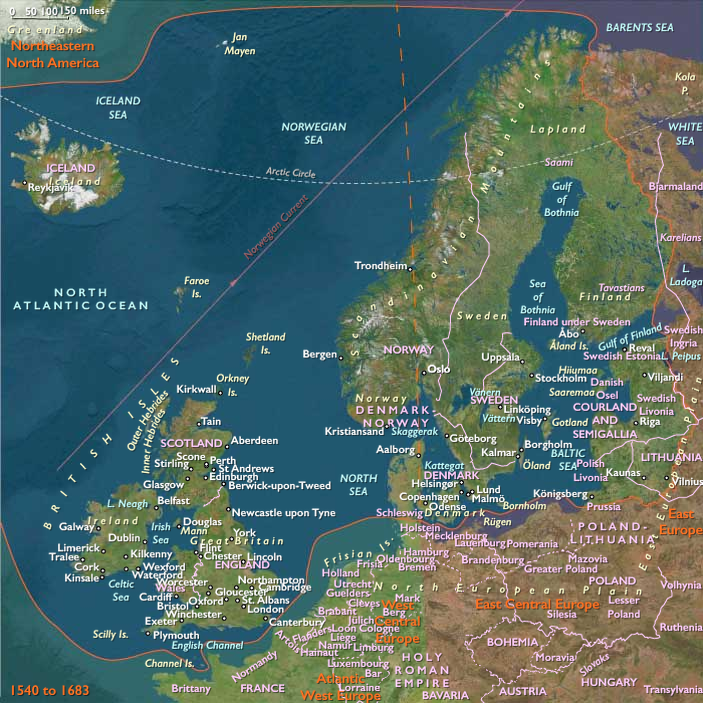
...goes to Ireland to take part in a proposed establishment of the University of Dublin.
Campion is appointed tutor to Richard Stanihurst, son of the Speaker of the Irish parliament, and attends the first session of the House of Commons, which includes the prorogation.
He lives as part of the Stanihurst household in Dublin and has conversation with the Speaker daily at table.
He is also under the protection of Lord Deputy Sidney.
Campion, now thirty-one, is reconciled to the Catholic Church in Douai and receives the Eucharist that he has denied himself for the last twelve years.
Campion enters the English College founded by fellow Oxford religious refugee William Allen.
The College's intake grows dramatically and a little after Campion's arrival a papal subsidy is granted.
The object of the college is primarily to supply priests for the Catholic population in England, as all of the bishops are now either dead, exiled or under detention and thus found are impeded from ordaining new priests.
The Queen's principal secretary, Sir William Cecil, expects that in a few years time the 'Marian Priests', ordained under the reign of Elizabeth's predecessor, will begin to die out, and the old faith will disappear with them.
Sidney, aggrieved by the slight appreciation of his statesmanship shown by the queen, in 1571 leaves Ireland.
Campion had been transferred by Stanihurst's arrangement to the house of Patrick Barnewall at Turvey in the Pale, which he acknowledges had saved him from arrest and torture by the Protestant party at Dublin.
For some three months he has eluded his pursuers, going by the name Mr. Patrick and occupying himself by writing a history of Ireland (first published in Holinshed's Chronicles).
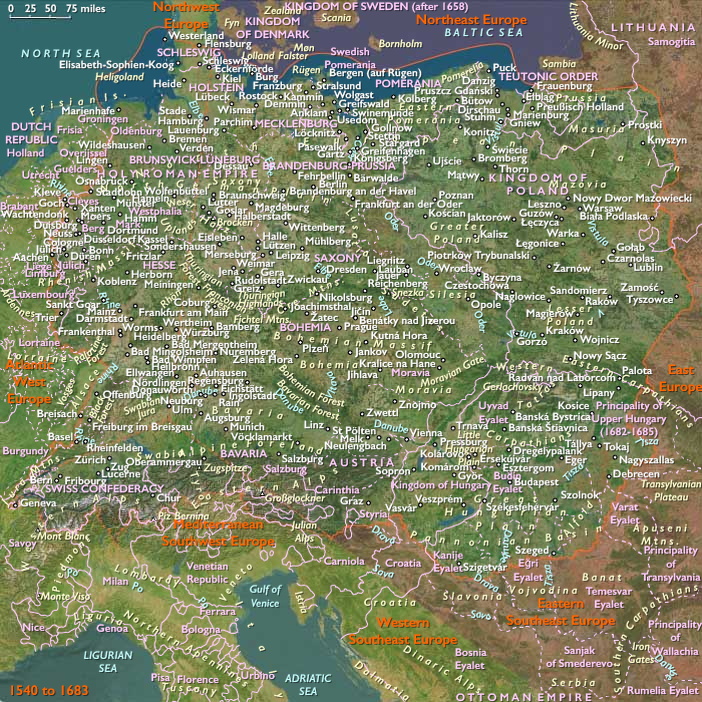
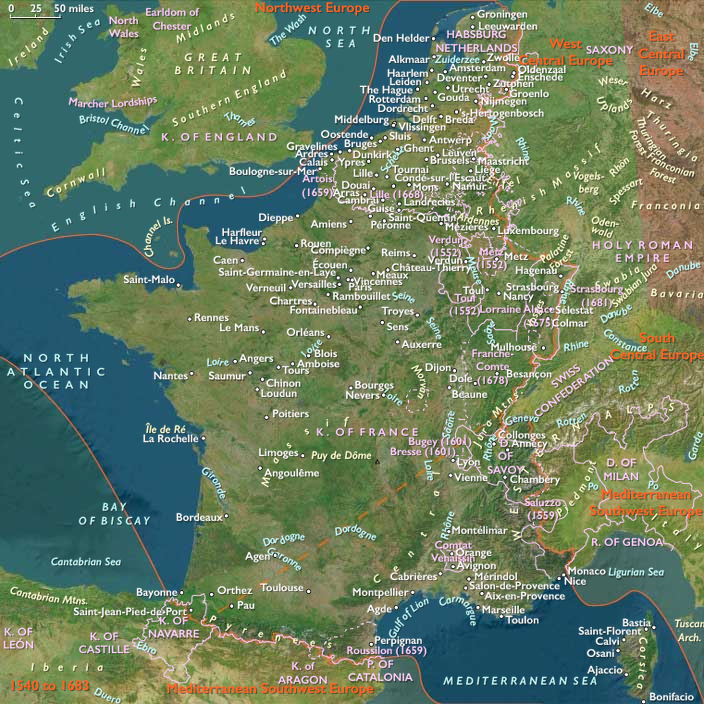
Campion also leaves Ireland in 1571, in secret, and escapes to Douai in the Low Countries (now France).
Cuthbert Mayne, raised and ordained in the Church of England, had been befriended while at the University of Oxford by Edmund Campion and Gregory Martin.
Under their influence, Mayne also had converted to Roman Catholicism.
Like them, he had fled to the European continent; had been ordained a Roman Catholic priest at the English College at Douai, France; and returned in 1576 as a missionary to Cornwall.
He disguises himself as the steward of a local landowner but is discovered and put to death at Launceston on November 30, 1577, on charges of denying the queen's spiritual supremacy, saying Mass, and possessing an Agnus Dei (a type of Roman Catholic devotional medallion).
Mayne is the first of the Douai-trained priests to be martyred.
Gregory Martin had become proficient in Greek and Hebrew at Oxford and befriended Campion, who had been converted to Roman Catholicism partly because of Martin's influence.
Martin had from 1569 to 1570 been tutor to the 4th Duke of Norfolk's sons, studied theology at William (afterward Cardinal) Allen's English Roman Catholic college at Douai, France, and had been ordained priest in 1573.
Teaching intermittently at that college, he aids Allen in founding the English College in Rome between 1576 and 1578.
Robert Parsons, forced to resign his teaching position at the University of Oxford because his sympathies lay with the proscribed Roman Catholic religion, had gone to to Rome and there, on July 4, 1575, entered the Society of Jesus.
Parsons favors armed intervention by the continental Catholic powers as a means of restoring Catholicism in England, and he probably has encouraged the numerous plots against the Queen's life.
Parsons and his colleague Edmund Campion, who had in 1573 gone to Rome to become a member of the Society of Jesus, reenter England under the direction of Cardinal William Allen, to minister to English Catholics, who are strictly forbidden to practice their religion, and organize Roman Catholic resistance in England to the Protestant regime of Elizabeth.
Parsons does much to bolster their morale in a year of clandestine activity; he preaches, writes religious books and pamphlets, and sets up a secret printing press.
Campion, unlike Parsons, has carefully avoided any political involvement on behalf of his religion.
After preaching at secret Catholic meetings in Berkshire, Oxfordshire, Northamptonshire, and Lancashire, Campion creates a sensation by having four hundred copies of his Decem rationes (“Ten Reasons”), a pamphlet denouncing Anglicanism, distributed on June 27, 1581, before a service in St. Mary's, Oxford.
Campion is arrested by a spy at Lyford, Berkshire, on July 17, 1581, and taken to the Tower of London.
Campion's captors, on his refusal under severe torture to recant his religious convictions, invent charges that he has conspired to overthrow the Queen.
Campion, who exhibits religious zeal and great courage throughout his ordeal, is convicted of treason and hanged in December.
Parsons has meanwhile returned to the Continent and been assigned by William Allen—an influential English Catholic living abroad—the task of directing from abroad the Jesuit mission to England.
Meanwhile, the duc d'Anjou is having no success in his second wooing visit to Elizabeth.