Filters:
Ealdred of Northumbria
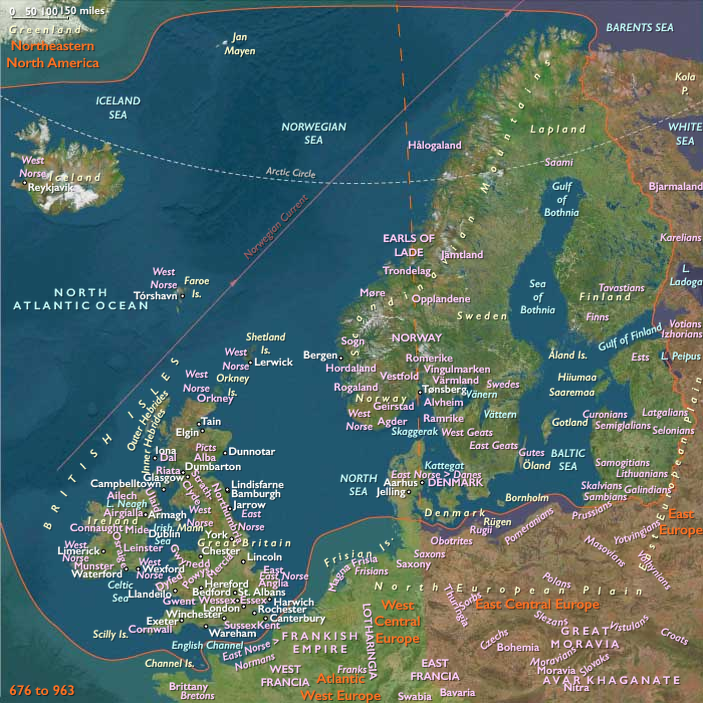
ruler of at least part of the former kingdom of Bernicia in northern Northumbria
Years: 875 - 933
Ealdred (died c. 933) is the son of Eadwulf.
He is a ruler of at least part of the former kingdom of Bernicia in northern Northumbria in the early tenth century.
Ealdred's father, called "king of the Saxons of the North" by the Annals of Ulster, but only reeve of Bamburgh by the chronicler Æthelweard, dies in 913.
He may have been ruler of Northumbria following Eowils and Halfdan who were killed at Tettenhall circa 910.
It is unknown whether the family had links to pre- or post-Viking kings of Northumbria.