Eadweard Muybridge
English photographer in the United States
Years: 1830 - 1904
Eadweard James Muybridge (9 April 1830 – 8 May 1904) is an English photographer important for his pioneering work in photographic studies of motion and in motion-picture projection.
He adoptd the name Eadweard Muybridge, believing it to be the original Anglo-Saxon form of his name.
He immigrates to the United States as a young man but remains obscure until 1868, when his large photographs of Yosemite Valley, California, make him world famous.
Muybridge is known for his pioneering work on animal locomotion in 1877 and 1878, which uses multiple cameras to capture motion in stop-action photographs, and his zoopraxiscope, a device for projecting motion pictures that pre-dates the flexible perforated film strip used in cinematography.
In his earlier years in San Francisco, Muybridge becomes known for his landscape photography, particularly of the Yosemite Valley.
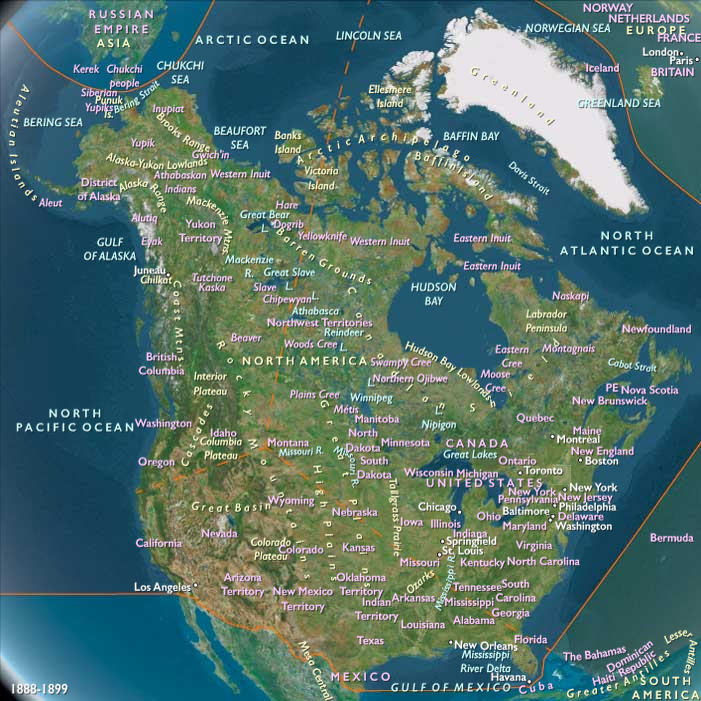
He also photographes the Tlingit people in Alaska, and is commissioned by the United States Army to photograph the Modoc War in 1873.
In 1874 he shoots and kills Major Harry Larkyns, his wife's lover, and is acquitted in a jury trial on the grounds of justifiable homicide.
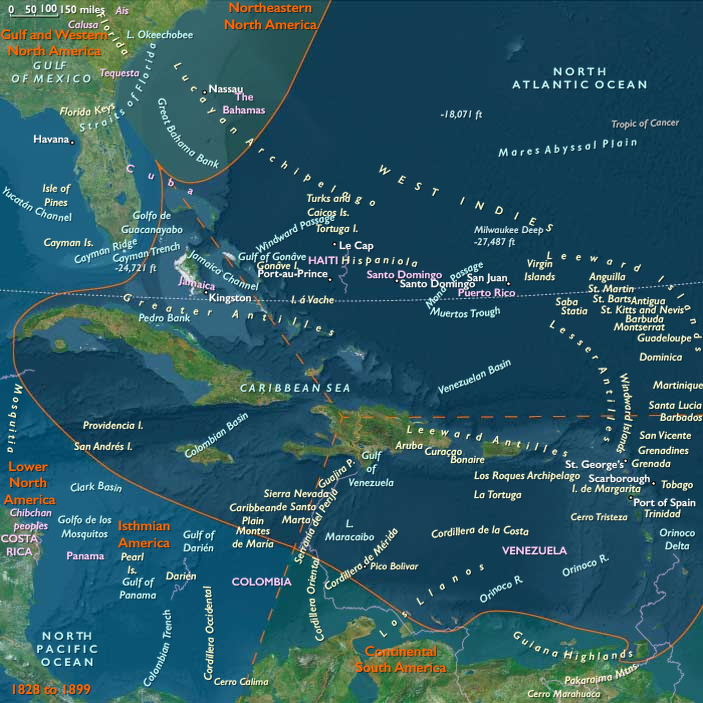
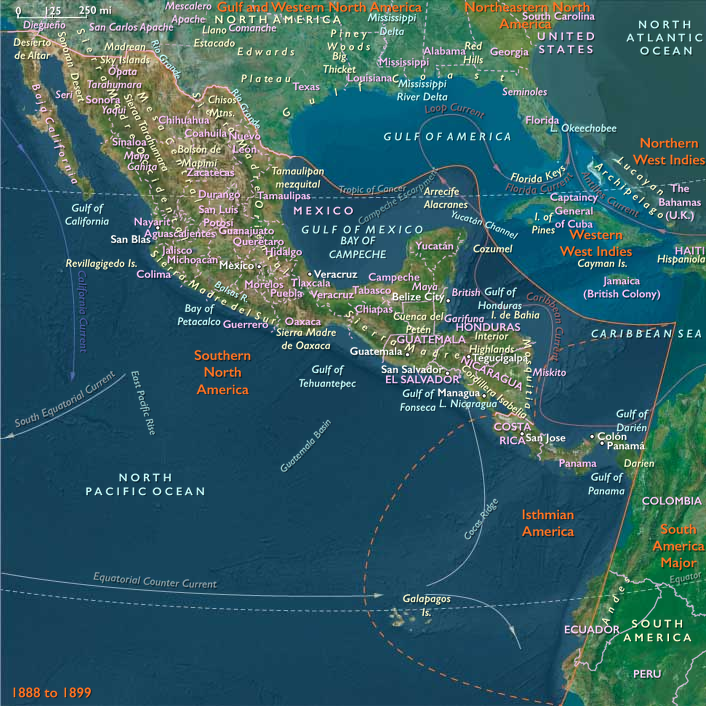
He travels for more than a year in Central America on a photographic expedition in 1875.
In the 1880s, Muybridge enters a very productive period at the University of Pennsylvania in Philadelphia, producing over 100,000 images of animals and humans in motion, capturing what the human eye cannot distinguish as separate movements.
He spends much of his later years giving public lectures and demonstrations of his photography and early motion picture sequences.
He also edits and publishes compilations of his work, which greatly influence visual artists and the developing fields of scientific and industrial photography.