Domitian
11th Emperor of the Roman Empire
Years: 51 - 96
Domitian (Latin: Titus Flavius Caesar Domitianus Augustus; October 24, 51 – September 18, 96) is Roman Emperor from 81 to 96.
Domitian is the third and last emperor of the Flavian dynasty.
Domitian's youth and early career are largely spent in the shadow of his brother Titus, who gains military renown during the First Jewish-Roman War.
This situation continues under the rule of his father Vespasian, who beomes emperor in 69 following the civil war known as the Year of the Four Emperors.
While Titus effectually reigns as co-emperor with his father, Domitian is left with honors but no responsibilities.
Vespasian dies in 79 and is succeeded by Titus, whose own reign comes to an unexpected end when he is struck by a fatal illness in 81.
The following day, Domitian is declared Emperor by the Praetorian Guard, commencing a reign which lasts fifteen years - longer than any man who had ruled since Tiberius.
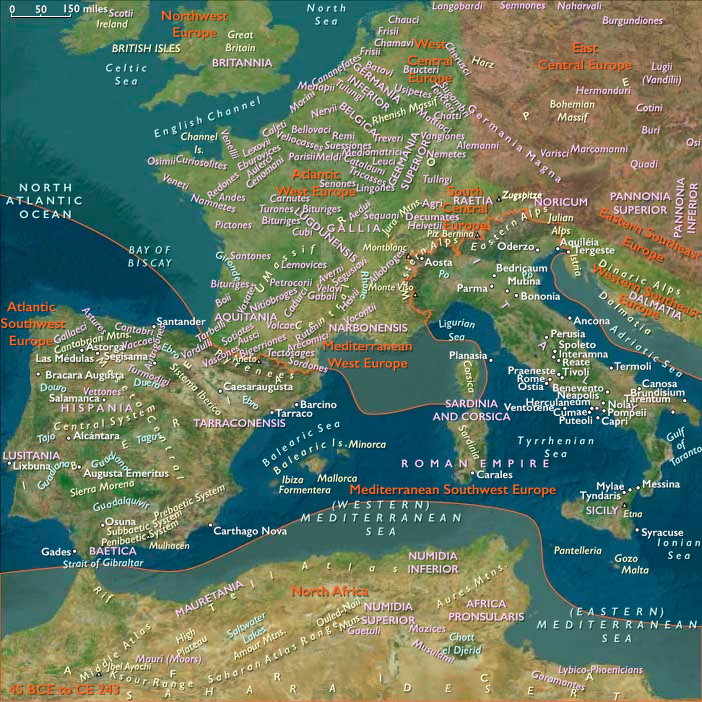
As Emperor, Domitian strengthens the economy by revaluing the Roman coinage, expands the border defenses of the Empire, and initiates a massive building program to restore the damaged city of Rome.
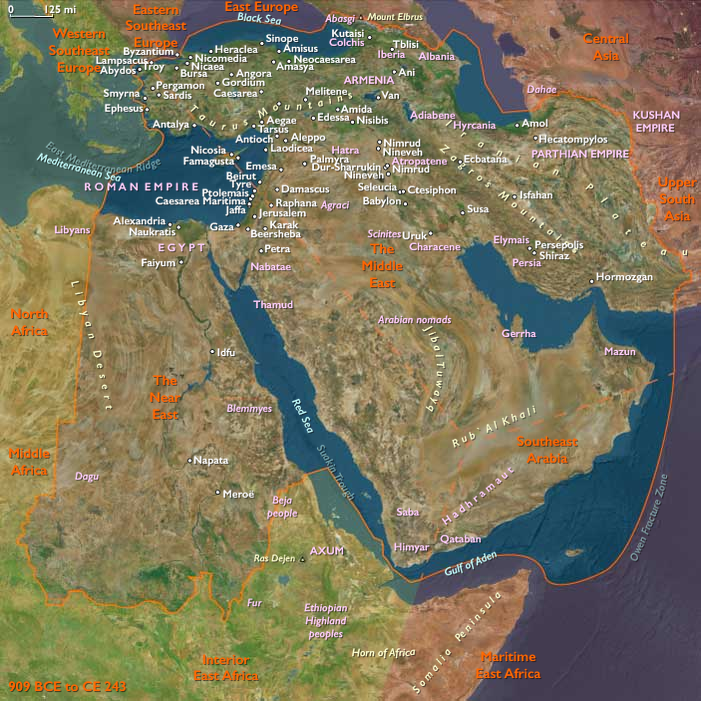
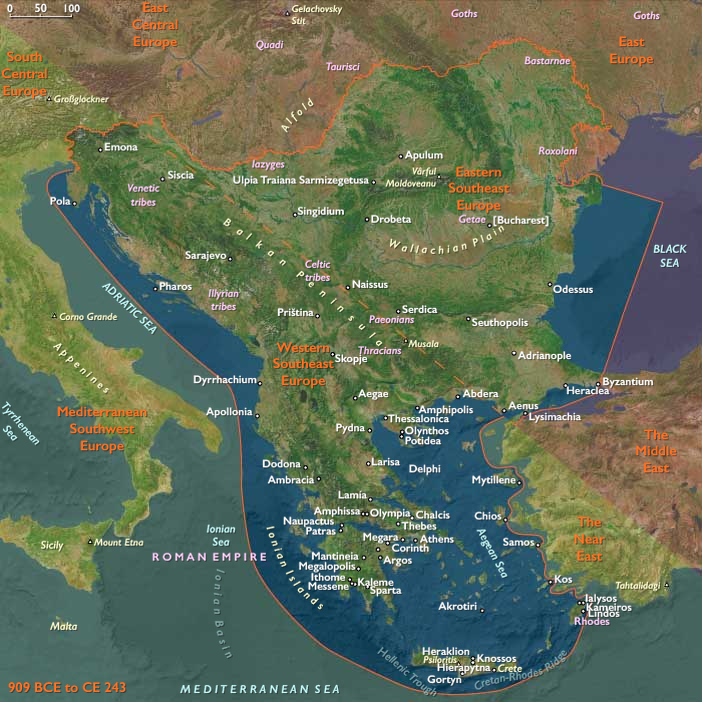
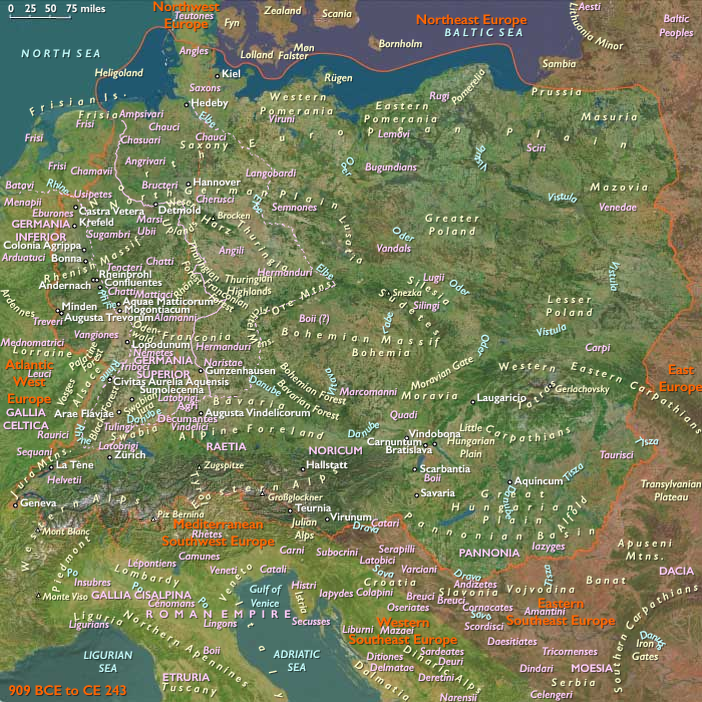
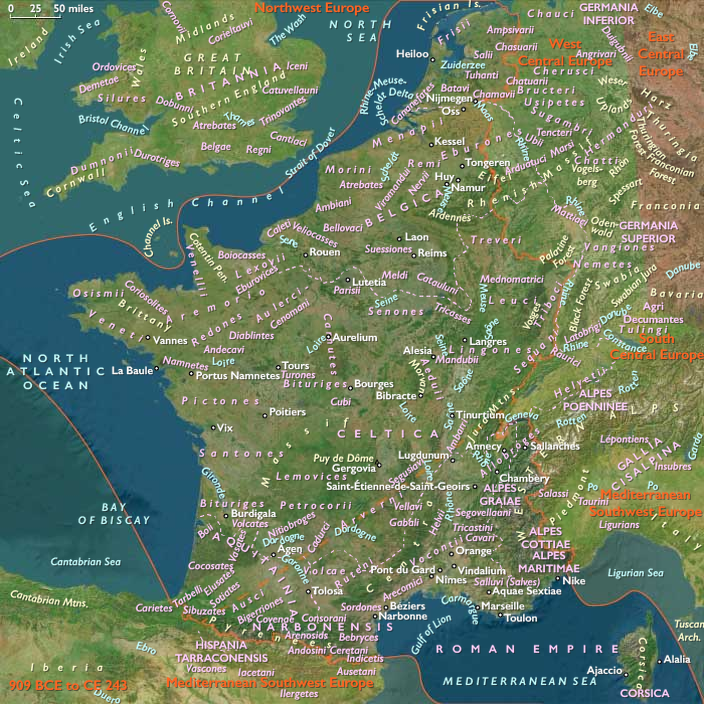
Significant wars are fought in Britain, where his general Agricola attempts to conquer Caledonia (Scotland), and in Dacia, where Domitian is unable to procure a decisive victory against king Decebalus.
Domitian's government exhibits totalitarian characteristics; he sees himself as the new Augustus, an enlightened despot destined to guide the Roman Empire into a new era of brilliance.
Religious, military, and cultural propaganda foster a cult of personality, and by nominating himself perpetual censor, he seeks to control public and private morals.
As a consequence, Domitian is popular with the people and army but considered a tyrant by members of the Roman Senate.
According to Suetonius, he was the first Roman Emperor who had demanded to be addressed as dominus et deus (master and god).
Domitian's reign comes to an end in 96 when he is assassinated by court officials.
The same day he is succeeded by his advisor Nerva.
After his death, Domitian's memory is condemned to oblivion by the Roman Senate, while senatorial authors such as Tacitus, Pliny the Younger and Suetonius publish histories propagating the view of Domitian as a cruel and paranoid tyrant.
Modern history has rejected these views, instead characterzing Domitian as a ruthless but efficient autocrat, whose cultural, economic and political program provide the foundation of the peaceful 2nd century.