Diocletian
51st Emperor of the Roman Empire
Years: 244 - 311
Diocletian (Latin: Gaius Aurelius Valerius Diocletianus Augustus; c. 22 December 244 – 3 December 311), is a Roman Emperor from 284 to 305.
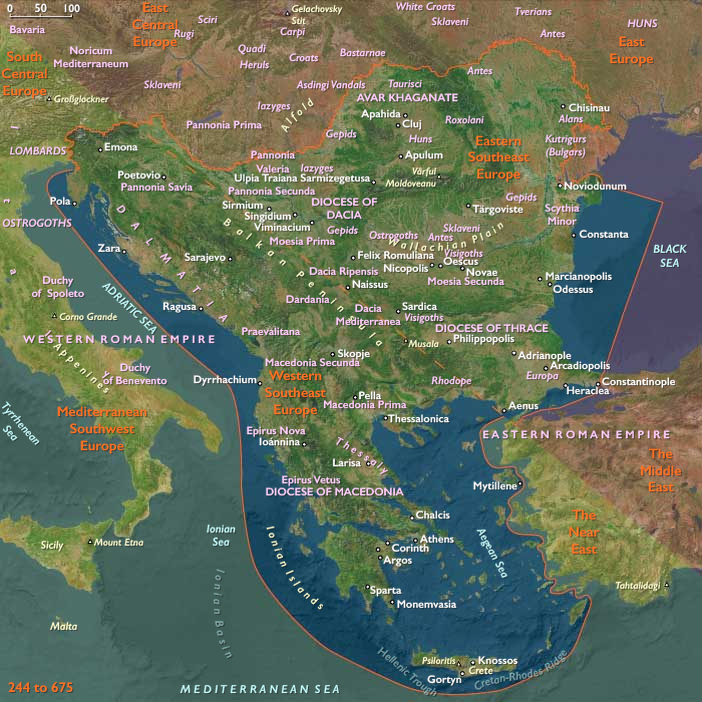
Born to a family of low status in the Roman province of Dalmatia, Diocletian rises through the ranks of the military to become cavalry commander to the Emperor Carus.
After the deaths of Carus and his son Numerian on campaign in Persia, Diocletian is proclaimed Emperor.
The title is also claimed by Carus' other surviving son, Carinus, but Diocletian defeats him in the Battle of the Margus.
With his accession to power, Diocletian ends the Crisis of the Third Century.
He appoints fellow officer Maximian Augustus his senior co-emperor in 285.
Diocletian delegates further on 1 March 293, appointing Galerius and Constantius as Caesars, junior co-emperors.
Under this "Tetrarchy", or "rule of four", each emperor will rule over a quarter-division of the Empire.
Diocletian secures the Empire's borders and purges it of all threats to his power.
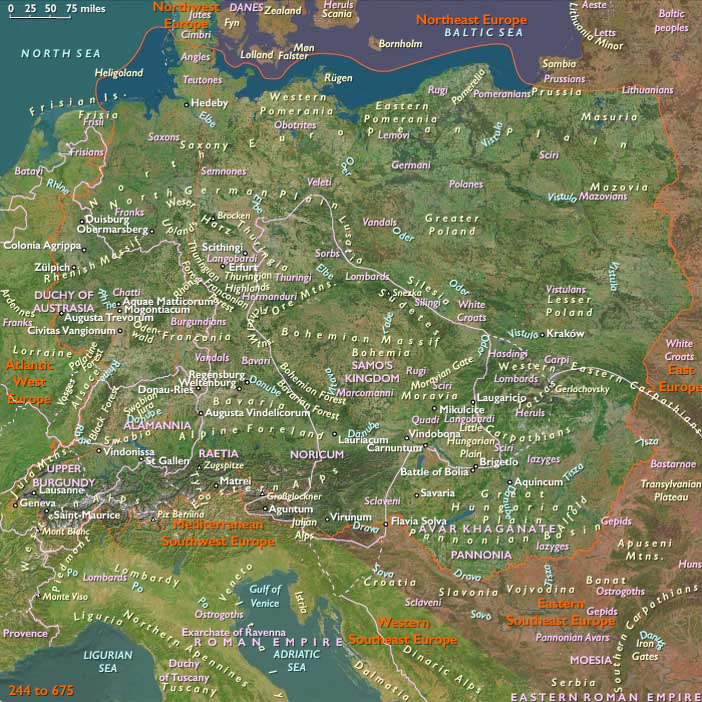
He defeats the Sarmatians and Carpi during several campaigns between 285 and 299, the Alamanni in 288, and usurpers in Egypt between 297 and 298.
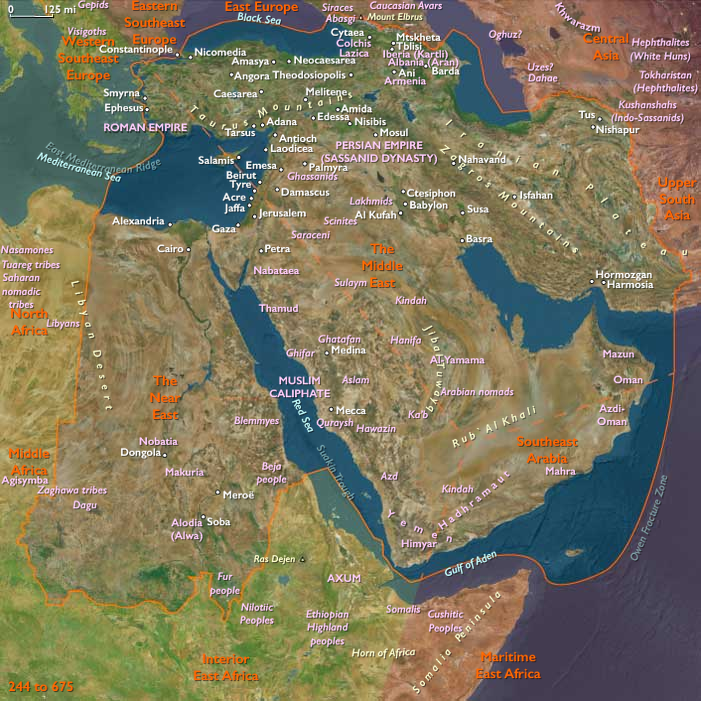
Galerius, aided by Diocletian, campaigns successfully against Sassanid Persia, the Empire's traditional enemy.
In 299, he sacks their capital, Ctesiphon.
Diocletian leads the subsequent negotiations and achieves a lasting and favorable peace.
Diocletian separates and enlarges the Empire's civil and military services and reorganizes the Empire's provincial divisions, establishing the largest and most bureaucratic government in the history of the Empire.
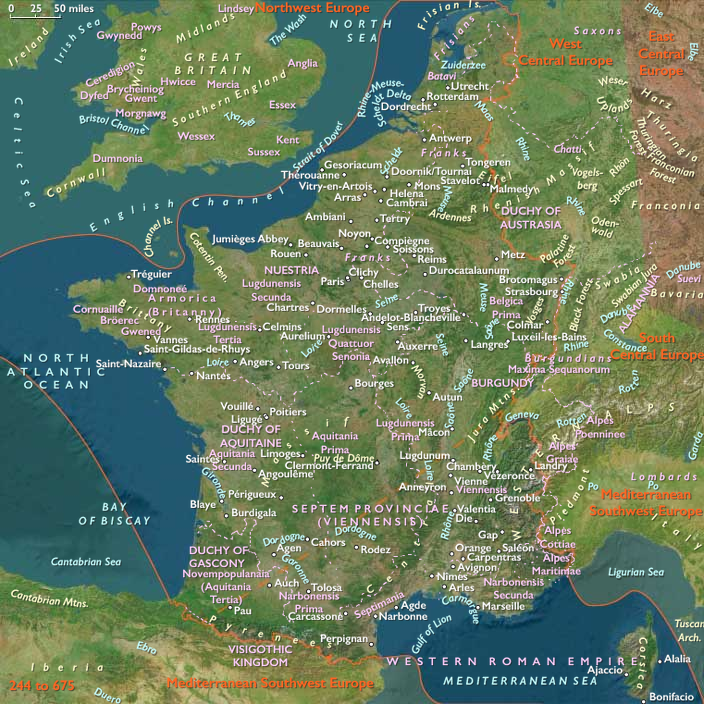
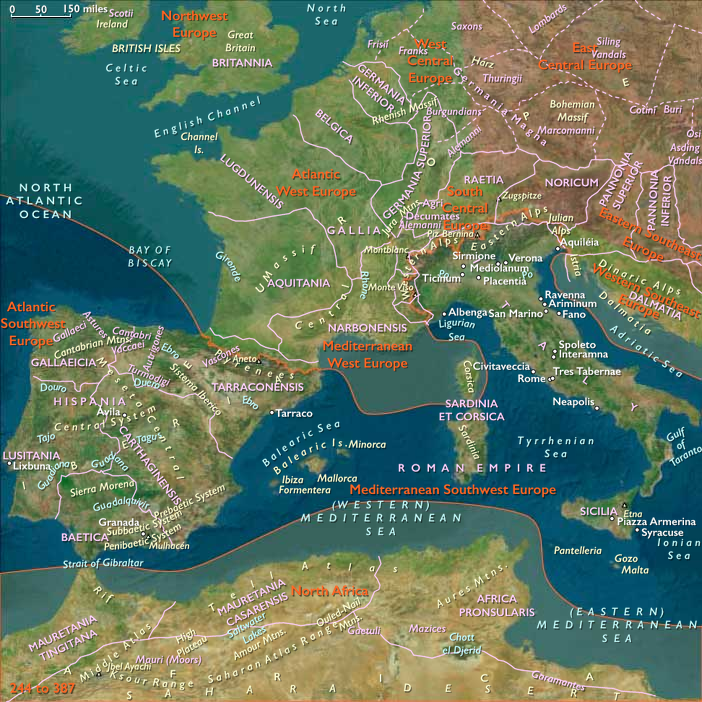
He establishes new administrative centers in Nicomedia, Mediolanum, Antioch, and Trier, closer to the Empire's frontiers than the traditional capital at Rome had been.
Building on third-century trends towards absolutism, he styles himself an autocrat, elevating himself above the Empire's masses with imposing forms of court ceremonies and architecture.
Bureaucratic and military growth, constant campaigning, and construction projects increase the state's expenditures and necessitate a comprehensive tax reform.
From at least 297 on, imperial taxation is standardized, made more equitable, and levied at generally higher rates.
Not all of Diocletian's plans are successful: the Edict on Maximum Prices (301), his attempt to curb inflation via price controls, is counterproductive and quickly ignored.
Although effective while he ruled, Diocletian's Tetrarchic system collapses after his abdication under the competing dynastic claims of Maxentius and Constantine, sons of Maximian and Constantius respectively.
The Diocletianic Persecution (303–11), the Empire's last, largest, and bloodiest official persecution of Christianity, does not destroy the Empire's Christian community; indeed, after 324 Christianity becomes the empire's preferred religion under its first Christian emperor, Constantine.
In spite of his failures, Diocletian's reforms fundamentally change the structure of Roman imperial government and help stabilize the Empire economically and militarily, enabling the Empire to remain essentially intact for another hundred years despite having seemed near the brink of collapse in Diocletian's youth.
Weakened by illness, Diocletian leaves the imperial office on May 1, 305, and becomes the only Roman emperor to voluntarily abdicate the position.
He lives out his retirement in his palace on the Dalmatian coast, tending to his vegetable gardens.
His palace eventually becomes the core of the modern-day city of Split.