Cyrus II ”the Great”
King of Persia, King of Āryāvarta, King of Anshan, King of Media, King of Babylon, King of Sumer and Akkad, King of the four corners of the World
Years: 576BCE - 530BCE
Cyrus II of Persia (c. 600 BCE or 576 BC–530 BCE), commonly known as Cyrus the Great, also known as Cyrus the Elder, is the founder of the Achaemenid Empire.
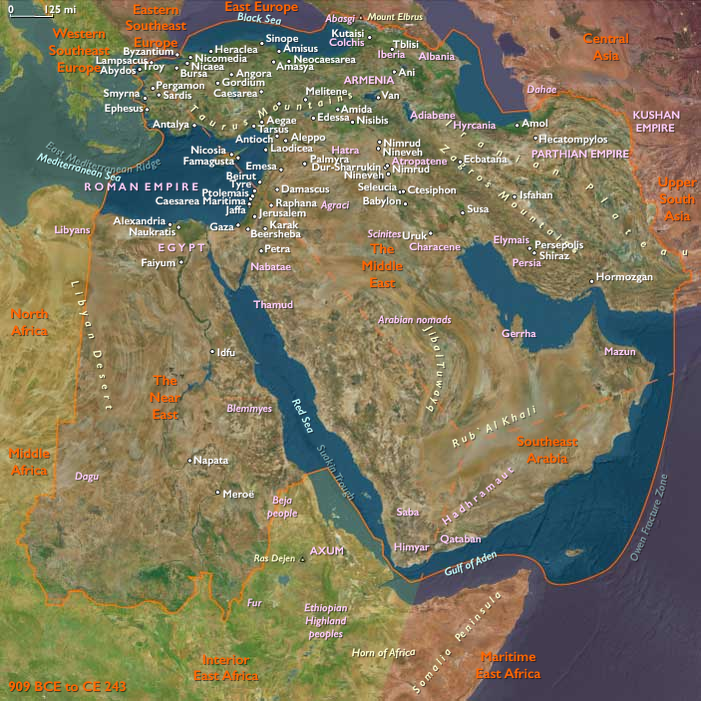
Under his rule, the empire embraces all the previous civilized states of the ancient Near East, expands vastly and eventually conquers most of Southwest Asia and much of Central Asia, parts of Europe and Caucasus.
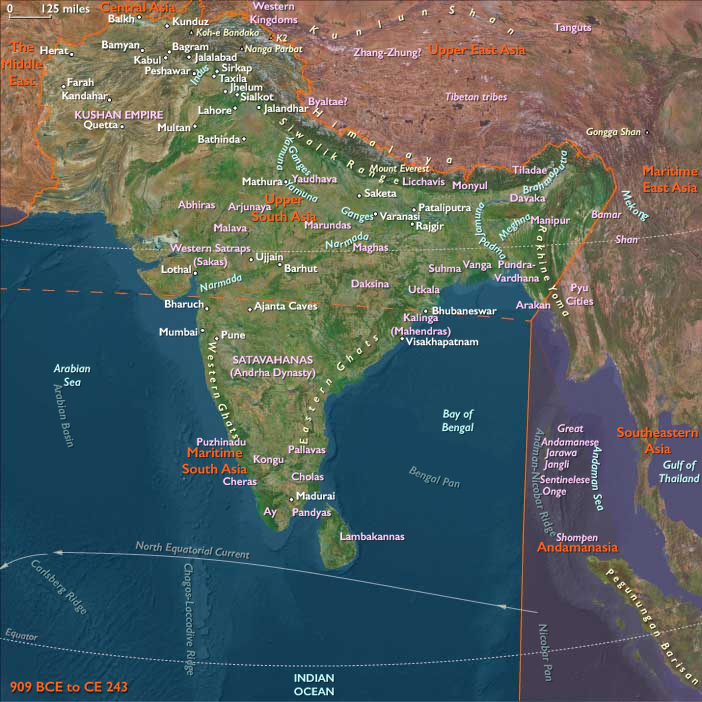
From the Mediterranean sea and Hellespont in the west to the Indus River in the east, Cyrus the Great creates the largest empire the world had yet seen.
The reign of Cyrus the Great lasts between 29 and 31 years.
Cyrus builds his empire by conquering first the Median Empire, then the Lydian Empire and eventually the Neo-Babylonian Empire.
Either before or after Babylon, he leads an expedition into central Asia, which results in major campaigns that are described as having brought "into subjection every nation without exception".
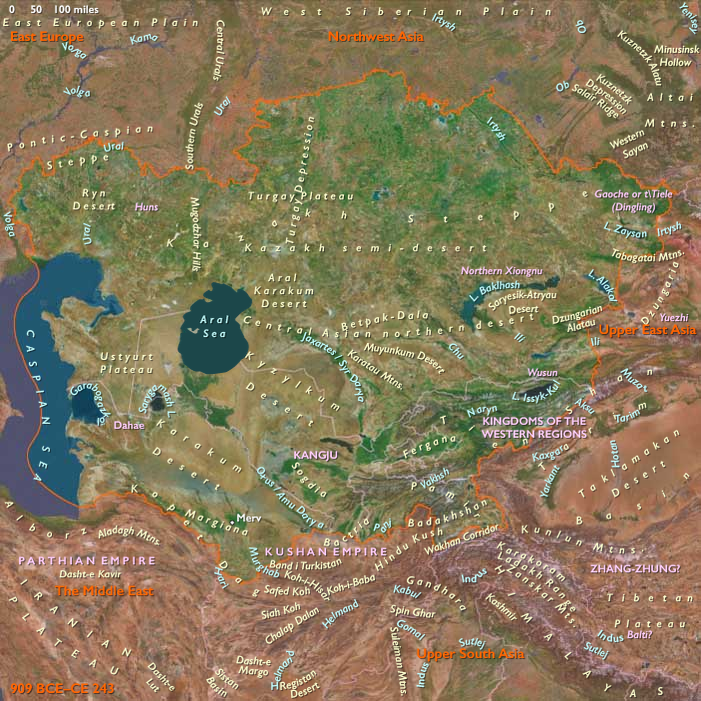
Cyrus does not venture into Egypt, as he himself dies in battle, fighting the Massagetae along the Syr Darya in December 530 BCE.
He is succeeded by his son, Cambyses II, who manages to add to the empire by conquering Egypt, Nubia, and Cyrenaica during his short rule.
Cyrus the Great respected the customs and religions of the lands he conquered.
It is said that in universal history, the role of the Achaemenid empire founded by Cyrus lies in its very successful model for centralized administration and establishing a government working to the advantage and profit of its subjects.
In fact, the administration of the empire through satraps and the vital principle of forming a government at Pasargadae were the works of Cyrus.
Cyrus the Great also left a lasting legacy on the Jewish religion through his Edict of Restoration, where because of his policies in Babylonia, he is referred to by the people of the Jewish faith, as "the anointed of the Lord" or a "Messiah".
Cyrus the Great is also well recognized for his achievements in human rights, politics, and military strategy, as well as his influence on both Eastern and Western civilizations.
Having originated from Persis, roughly corresponding to the modern Iranian province of Fars, Cyrus has played a crucial role in defining the national identity of the modern Iran.
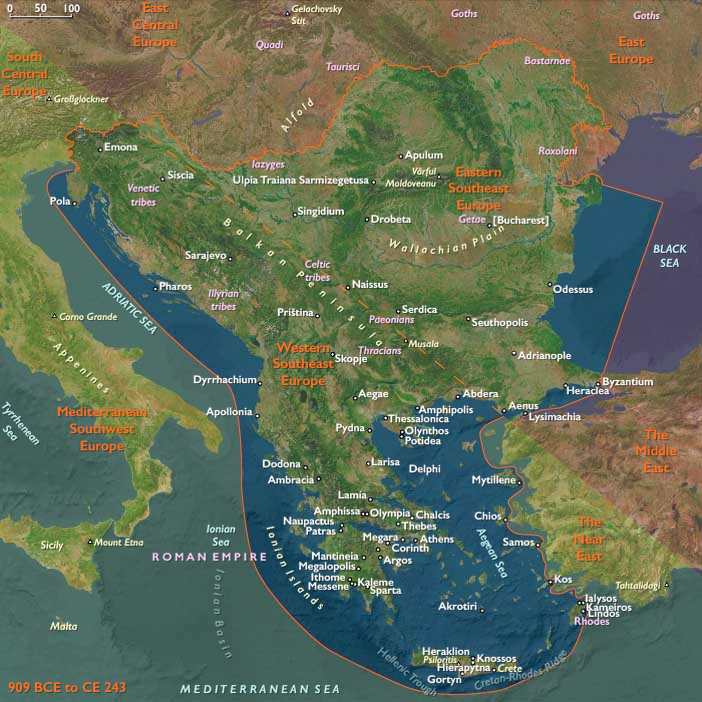
Cyrus and, indeed, the Achaemenid influence in the ancient world also extended as far as Athens, where many Athenians adopted aspects of the Achaemenid Persian culture as their own, in a reciprocal cultural exchange.