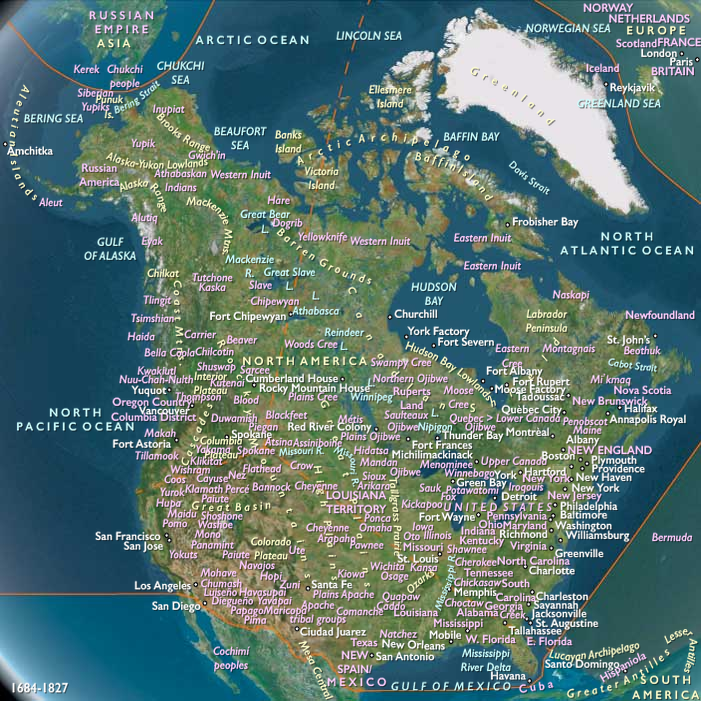
Cornelis Evertsen the Youngest reconquers New Netherland, including New Amsterdam, in August 1673, as Vice-Admiral of a twenty-one-ship fleet in service of the Dutch West India Company, at this time the largest ever seen in North America.
Anthony Colve is installed as New Netherland's first Governor (previously there had only been West India Company Directors), and the city of New Amsterdam is renamed "New Orange", reflecting the installation of William of Orange as Lord-Lieutenant (stadtholder) of Holland in 1672.
Evertsen, the second son of Lieutenant-Admiral Cornelis Evertsen the Elder, nephew of Lieutenant-Admiral Johan Evertsen and cousin of the latter's son Vice-Admiral Cornelis Evertsen the Younger, with whom he is very often confused, is nicknamed Keesje den Duvel ("Little Cornelis the Devil") for his cantankerous and hot-tempered character, which he shares with his father.
As a twenty-two-year-old privateer in 1665 during the Second Anglo-Dutch War, he had been captured by the English on April 15 of that year when his force of two ships was defeated by three English vessels.
His crew had to bodily restrain him to prevent him from blowing up his ship, the thirty-two-gun Eendragt.
Cornelis had fought after his release in the Battle of Lowestoft in 1665; in July he became captain with the Admiralty of Zealand.
He had been captain of his father's flagship Walcheren during the Four Days Battle in 1666, during the first night of which he had witnessed his father's death, the Lieutenant-Admiral being cut in two by the parting shot of the escaping Henry; he also fought in the St. James's Day Battle where his uncle was killed.
Just before the Third Anglo-Dutch War, he had repelled a treacherous English attack on the Smyrna fleet in March 1672; he had commanded the forty-four-gun Zwanenburg in the Battle of Solebay.
The Zwanenburg remains his flagship.