Claudius Gothicus
42nd Emperor of the Roman Empire
Years: 213 - 270
Claudius II (Latin: Marcus Aurelius Valerius Claudius Augustus; May 10, 213 – January 270), commonly known as Claudius Gothicus, is Roman Emperor from 268 to 270.
During his reign he fights successfully against the Alamanni and scores a crushing victory against the Goths at the Battle of Naissus.
He dies after succumbing to a smallpox plague that ravages the provinces of the Empire.

Related Events
Filter results
Showing 10 events out of 18 total
Aurelian succeeds Claudius I and, after defeating the Alamanni, who had invaded Italy, turns his attention to the lost eastern provinces—the Palmyrene Empire.
Asia Minor is recovered easily; every city but Byzantium and Tyana surrenders to him with little resistance.
Aurelian to this point has destroyed every city that resisted him, but he spares Tyana.
His ploy pays off; many more cities submits to him upon understanding that the emperor will not exact revenge upon them.
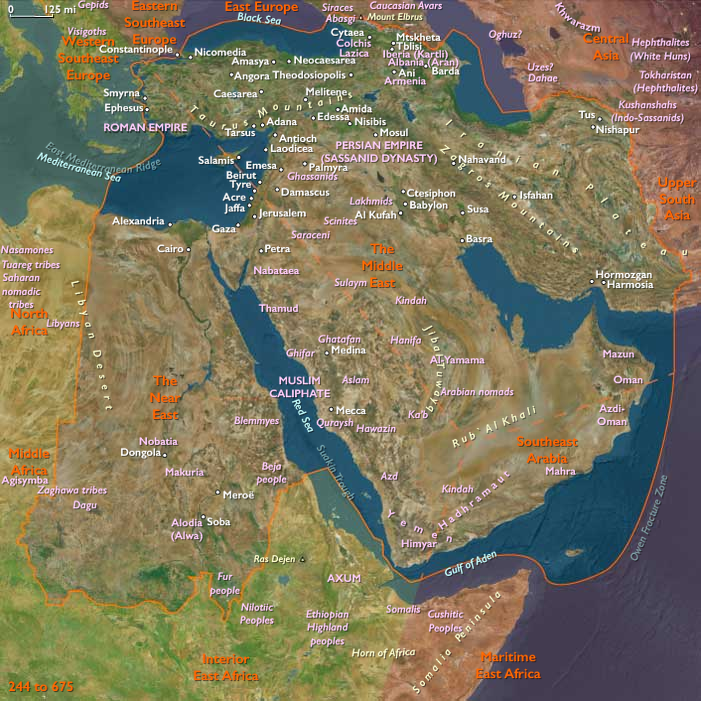
Aurelian defeats Queen Zenobia in the Battle of Immae and again, decisively, in the Battle of Emesa.
His armies stand within six months at the gates of Palmyra, which surrenders when Zenobia tries to flee to the Sassanid Empire.
The Palmyrene Empire is no more.
Aurelian, after a brief clash with the Persians and another in Egypt against usurper Firmus, returns to Palmyra in 273 when it rebels again.
This time, Aurelian allows his soldiers to sack the city, and Palmyra will never recover from this.
He becomes known as Parthicus Maximus and Restitutor Orientis ("Restorer of the East").
Eastern Southeast Europe (268–279 CE): Plague, Barbarian Incursions, and Imperial Struggles
Settlement and Migration Patterns
Continued Barbarian Pressure
Between 268 and 279 CE, the region continued to experience frequent incursions from Gothic and other barbarian groups. These ongoing invasions disrupted existing settlements, particularly along the Danube frontier and within the provinces of Thrace and Moesia, causing significant demographic and social upheaval.
Political and Military Developments
Death of Emperor Claudius II Gothicus
In 270 CE, Emperor Claudius II Gothicus died due to an outbreak of plague—possibly linked to the earlier Plague of Cyprian—highlighting ongoing vulnerability within the empire. His death exacerbated political instability, leading to rapid shifts in leadership and continued internal discord.
Impact of Plague on Barbarian Invaders
Historical accounts, notably the Historia Augusta, describe how barbarian groups, including surviving Gothic tribes gathering in Haemimontum, were severely weakened by famine and disease around this period. These epidemics significantly reduced immediate barbarian threats, allowing temporary Roman reprieve from direct military confrontations.
Military Reorganization under Aurelian
In response to persistent invasions and internal instability, Emperor Aurelian (270–275 CE) initiated substantial military and administrative reforms, reinforcing frontier defenses and attempting to consolidate imperial authority. These measures provided a brief respite, stabilizing the empire's boundaries temporarily.
Economic and Technological Developments
Economic Struggles amid Epidemics and Conflict
The region's economy continued suffering under the combined impact of ongoing invasions, plague outbreaks, and imperial instability. Trade disruptions, agricultural decline, and reduced urban activity reflected the strain of continuous military conflict and internal upheaval.
Reinforced Military Infrastructure
Investment in infrastructure predominantly addressed military defense needs. Extensive fortification of frontier cities and repair of strategic road networks were prioritized to improve military responsiveness and regional security.
Cultural and Artistic Developments
Cultural Decline and Limited Production
Cultural activities significantly declined as resources and attention were overwhelmingly diverted to defense and survival. Public artistic commissions and monumental building projects became scarce, reflecting broader societal stress and economic limitations.
Social and Religious Developments
Increasing Local Autonomy
Persistent crises weakened central authority, compelling provincial cities and regional leaders to assume greater responsibility for local governance and defense. This trend toward decentralized power structures accelerated as communities adapted independently to ongoing threats.
Religious Continuity Amid Crisis
Despite widespread instability, religious life provided crucial social continuity. Traditional Roman worship persisted, and Christianity continued to expand gradually, offering spiritual and communal solace amid ongoing disruptions.
Long-Term Consequences and Historical Significance
The era from 268 to 279 CE marked a critical period of intensified crisis, characterized by persistent barbarian invasions, devastating plague outbreaks, and profound political instability. While Roman military reforms under emperors like Aurelian briefly restored imperial control, these events underscored the empire's vulnerability, setting the stage for deeper structural transformations in subsequent decades.
Eastern Southeast Europe (268–279 CE): Plague, Barbarian Incursions, and Imperial Struggles
Settlement and Migration Patterns
Continued Barbarian Pressure
Between 268 and 279 CE, the region continued to experience frequent incursions from Gothic and other barbarian groups. These ongoing invasions disrupted existing settlements, particularly along the Danube frontier and within the provinces of Thrace and Moesia, causing significant demographic and social upheaval.
Political and Military Developments
Death of Emperor Claudius II Gothicus
In 270 CE, Emperor Claudius II Gothicus died due to an outbreak of plague—possibly linked to the earlier Plague of Cyprian—highlighting ongoing vulnerability within the empire. His death exacerbated political instability, leading to rapid shifts in leadership and continued internal discord.
Impact of Plague on Barbarian Invaders
Historical accounts, notably the Historia Augusta, describe how barbarian groups, including surviving Gothic tribes gathering in Haemimontum, were severely weakened by famine and disease around this period. These epidemics significantly reduced immediate barbarian threats, allowing temporary Roman reprieve from direct military confrontations.
Military Reorganization under Aurelian
In response to persistent invasions and internal instability, Emperor Aurelian (270–275 CE) initiated substantial military and administrative reforms, reinforcing frontier defenses and attempting to consolidate imperial authority. These measures provided a brief respite, stabilizing the empire's boundaries temporarily.
Economic and Technological Developments
Economic Struggles amid Epidemics and Conflict
The region's economy continued suffering under the combined impact of ongoing invasions, plague outbreaks, and imperial instability. Trade disruptions, agricultural decline, and reduced urban activity reflected the strain of continuous military conflict and internal upheaval.
Reinforced Military Infrastructure
Investment in infrastructure predominantly addressed military defense needs. Extensive fortification of frontier cities and repair of strategic road networks were prioritized to improve military responsiveness and regional security.
Cultural and Artistic Developments
Cultural Decline and Limited Production
Cultural activities significantly declined as resources and attention were overwhelmingly diverted to defense and survival. Public artistic commissions and monumental building projects became scarce, reflecting broader societal stress and economic limitations.
Social and Religious Developments
Increasing Local Autonomy
Persistent crises weakened central authority, compelling provincial cities and regional leaders to assume greater responsibility for local governance and defense. This trend toward decentralized power structures accelerated as communities adapted independently to ongoing threats.
Religious Continuity Amid Crisis
Despite widespread instability, religious life provided crucial social continuity. Traditional Roman worship persisted, and Christianity continued to expand gradually, offering spiritual and communal solace amid ongoing disruptions.
Long-Term Consequences and Historical Significance
The era from 268 to 279 CE marked a critical period of intensified crisis, characterized by persistent barbarian invasions, devastating plague outbreaks, and profound political instability. While Roman military reforms under emperors like Aurelian briefly restored imperial control, these events underscored the empire's vulnerability, setting the stage for deeper structural transformations in subsequent decades.
A latter plague incident from 270 involves the death of Emperor Claudius II Gothicus, though it is unknown if this was the same plague as the so-called Plague of Cyprian or a different outbreak.
The Historia Augusta (unreliable, but the only history we have for this age) states: "in the consulship of Antiochianus and Orfitus the favor of heaven furthered Claudius' success. For a great multitude, the survivors of the barbarian tribes, who had gathered in Haemimontum, were so stricken with famine and pestilence that Claudius now scorned to conquer them further.... during this same period the Scythians attempted to plunder in Crete and Cyprus as well, but everywhere their armies were likewise stricken with pestilence and so were defeated."
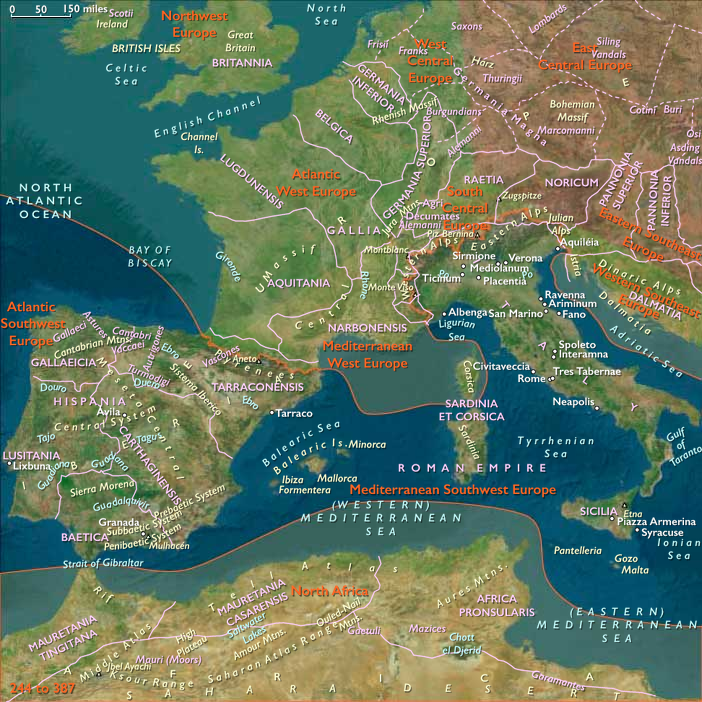
Mediolanum (Milan), having acquired increasing prestige and economic power over the past few centuries, has become the second city of the Empire behind Rome itself.
Manius Acilius Aureolus, commander of the field army in Mediolanum, has succeeded to recover Raetia to the central empire by 268.
In this same year, he is in Mediolanum, where he rebels against Gallienus, supporting Postumus, who has carved the Gallic Empire for himself out of the northern Roman provinces, and minting coins in his name.
Aureolus sends letters to Postumus, asking him to come and invade Italy, but Postumus refuses, and leaves Aureolus to his fate.
Gallienus, having left his “Scythian war,” returns to Italy to besiege Aureolus in Mediolanum, but is soon afterwards assassinated in a plot hatched, apparently, by his own staff officers.
After the death of the emperor, Aureolus claims the purple with the support of his army, but a large contribution to the troops secures the election of Gallienus' cavalry commander, who, as Marcus Aurelius Valerius Claudius, or Claudius II, is the first Illyrian to occupy the imperial throne.
Claudius continues the siege, rejecting Aureolus' attempts to sue for peace.
Soon after Aureolus surrenders, hoping for mercy, he is instead put to death by the Praetorian Guard, which has not forgiven his treachery.
Many senators, resenting their recent loss of power, had despised Gallienus.
Pleased to hear of his death, they kill several of his friends and supporters, including Gallienus's brother and surviving son.
Claudius intervenes, asking the senators to show restraint and for them to deify the late emperor, in order to help soothe the angered troops.
Only in the central territories of the empire is Claudius' authority recognized, however.
Claudius, like Maximinus Thrax before him, is of barbarian birth.
After an interlude of failed aristocratic Roman emperors since Maximinus's death, Claudius is the first in a series of tough soldier-emperors who will eventually restore the Empire from the Crisis of the third century.
The power struggles in Mediolanum due to Aureolus' revolt, the murder of Emperor Gallienus and the resulting confrontation between Aureolus and Claudius, who had been nominated as emperor by Gallienus on his death bed, had forced the Romans to denude the frontier of troops.
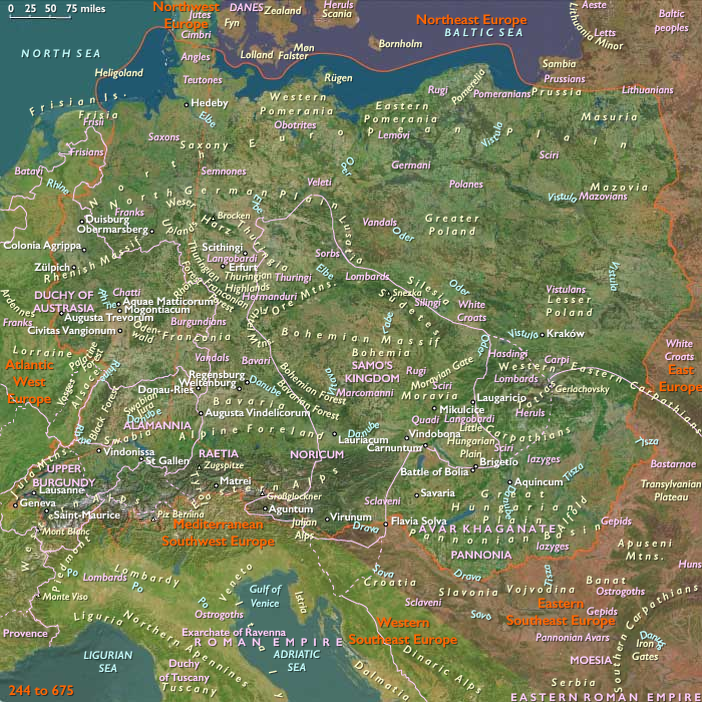
The Alamanni, who have been making incursions into Roman territory since the reign of Marcus Aurelius, have broken through the Roman frontier at the Danube and crossed the Alps in 268.
Claudius, having defeated and killed Aureolus in the Siege of Mediolanum, leads his army north, together with the remants of Aureolus' force, to confront the Germans.
The new emperor meets the Alamanni and Juthungi in battle at Lake Benacus (Lake Garda), in late autumn 268 (or early 269), inflicting so crushing a defeat on the enemy that only half their number manage to escape the battlefield alive.
Details of the battle are unknown but future emperor Aurelian certainly played a part.
After what will be described as a complete victory, Claudius assumes the title Germanicus Maximus.
Much of the German army had been slaughtered on the field with the remainder retreating beyond the bounds of the empire.
Claudius returns to Rome after the battle to attend to affairs of state.
The Goths are now retreating by land from their plunder of Greece’s Aegean coastal cities into the province of Pannonia, their invasion leading to disaster and even threatening Rome, while the Alamanni, a loosely knit confederation of tribes composed of fragments of several Germanic peoples, are simultaneously raising havoc in the northern part of Italy.
Emperor Gallienus, now fifty, halts the progress of the Alamanni by defeating them in battle in April 268, then turns north and wins several victories over the Goths.
His attention demanded by problems in Italy, Gallienus returns there without further pursuit of the survivors, who flee to armed encampments to the northeast.
In the autumn, he turns on the Goths once again, leading a large Roman force into Moesia to cut off the Gothic army.
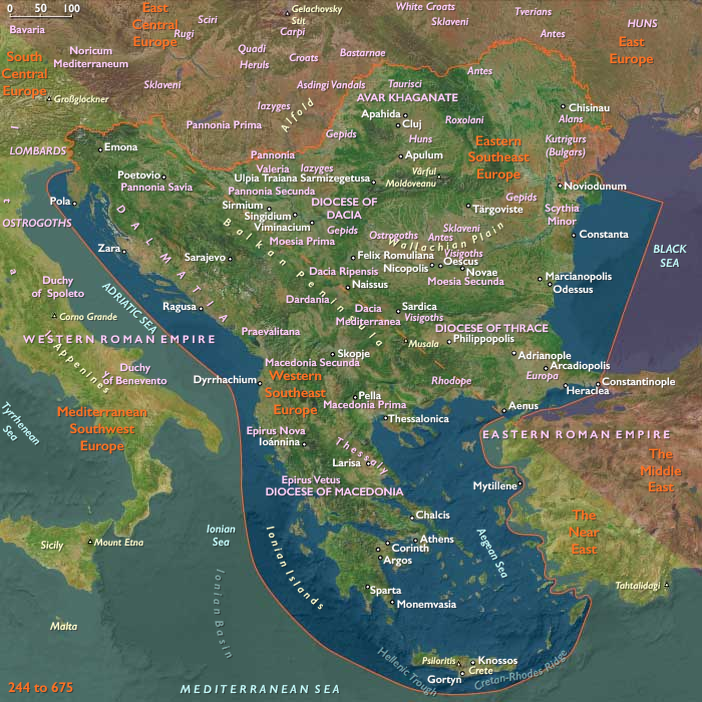
Claudius, having succeeded Gallienus as emperor leads the Roman army to victory (although the cavalry commander Lucius Domitius Aurelianus is the real victor) at the Battle of Naissus, where the Romans slaughter the Goths by the thousands in 269.
Large numbers on both sides are killed but, at the critical point, the Romans trick the Goths into an ambush by pretended flight.
Some fifty thousand Goths are allegedly killed or taken captive.
It seems that Aurelian, who was in charge of all Roman cavalry during reign of Claudius, led the decisive attack in the battle.
A large number of Goths manages to escape towards Macedonia, initially defending themselves behind their laager.
Soon, many of them and their pack animals, distressed as they are by the harassment of the Roman cavalry and the lack of provisions, die of hunger.
The Roman army methodically pursues and surrounds the survivors at Mount Haemus where an epidemic affects the entrapped Goths.
After a bloody but inconclusive battle, they escape but are pursued again until they surrender.
Prisoners are admitted to the army or given land to cultivate and become coloni.
The members of the pirate fleet, after the failed attacks on Crete and Rhodes, retreat and many of them suffer a similar end.
However, the plague also affects the pursuing Romans and emperor Claudius, who will die from it in 270.
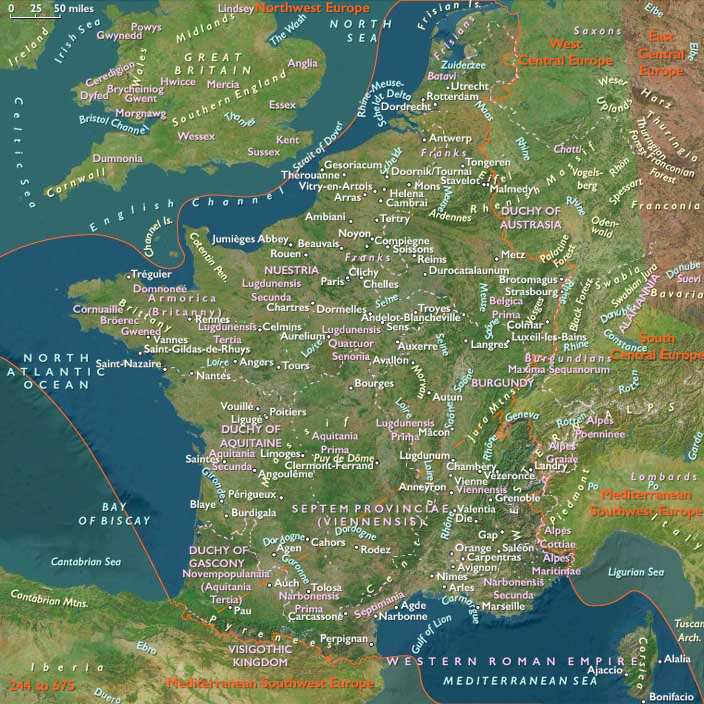
Claudius, turning his attention to the shaky Gallic empire, sends into southern Gaul an army detachment under Iulius Placidianus, Praefectus Vigilium (i.e.
Prefect of the Roman Watch), which meets no significant resistance in restoring to Rome the territory east of the river Rhône.
Placidianus next opens talks with the Iberian provinces, which return to the Roman fold.