Claudius
4th Emperor of the Roman Empire
Years: 10BCE - 54
Claudius (Latin: Tiberius Claudius Caesar Augustus Germanicus; 1 August 10 BCE – 13 October CE 54), is Roman Emperor from 41 to 54.
A member of the Julio-Claudian dynasty, he is the son of Drusus and Antonia Minor.
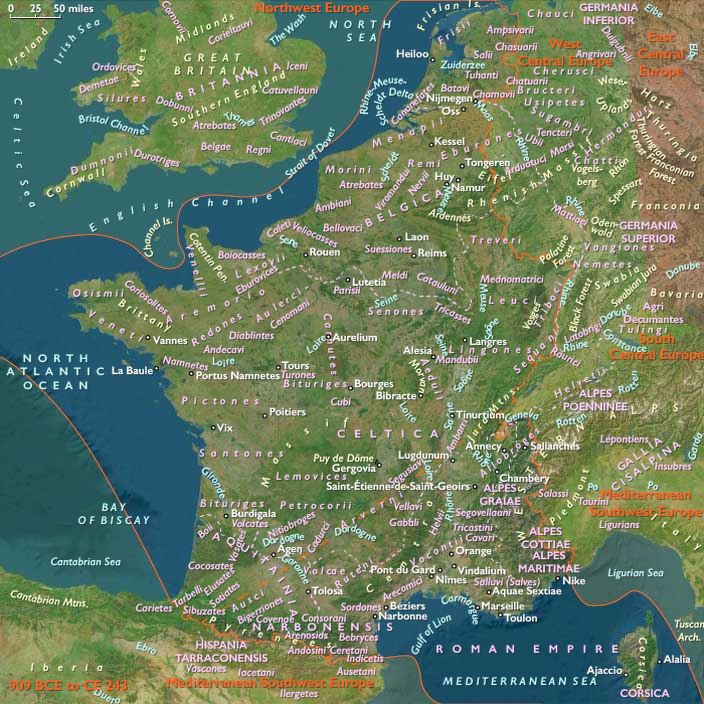
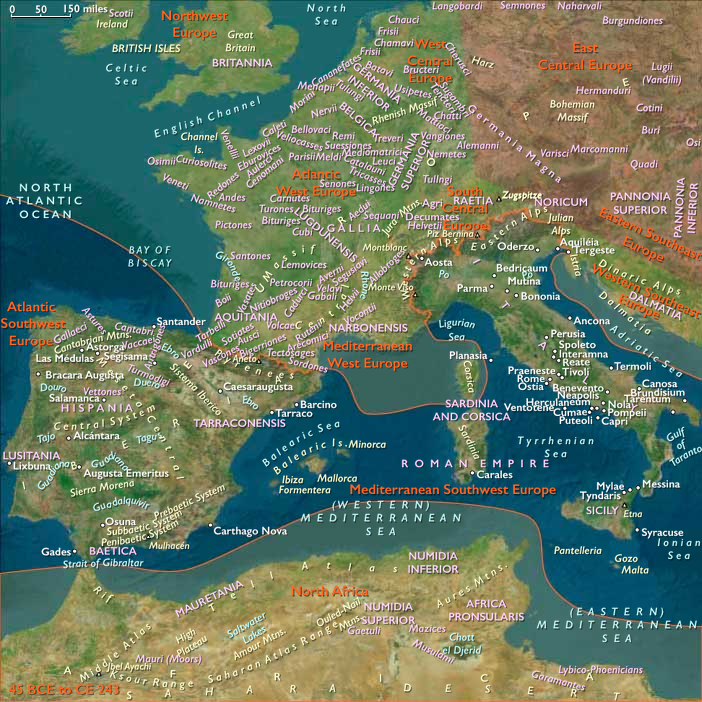
He was born at Lugdunum in Gaul and is the first Roman Emperor to be born outside Italy.
Because he is afflicted with a limp and slight deafness due to sickness at a young age, his family ostracizes him and excludes him from public office until his consulship, shared with his nephew Caligula in 37.
Claudius' infirmity probably saves him from the fate of many other nobles during the purges of Tiberius and Caligula's reigns; potential enemies do not see him as a serious threat.
His survival leads to his being declared Emperor by the Praetorian Guard after Caligula's assassination, at which point he is the last adult male of his family.
Despite his lack of experience, Claudius proves to be an able and efficient administrator.
He is also an ambitious builder, constructing many new roads, aqueducts, and canals across the Empire.
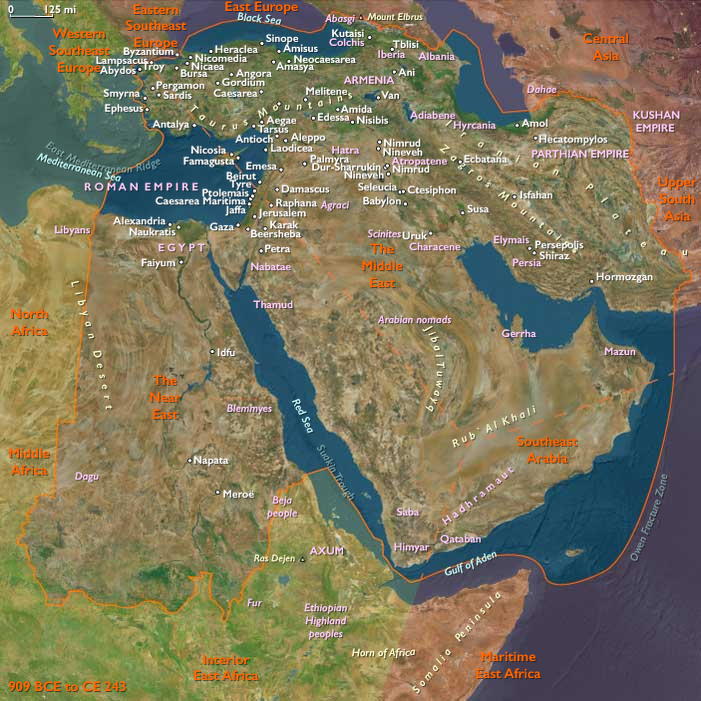
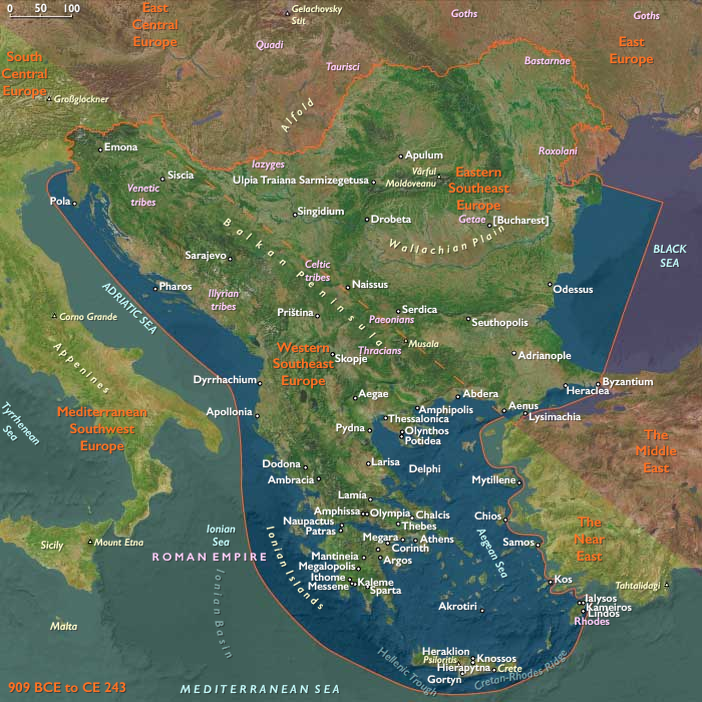
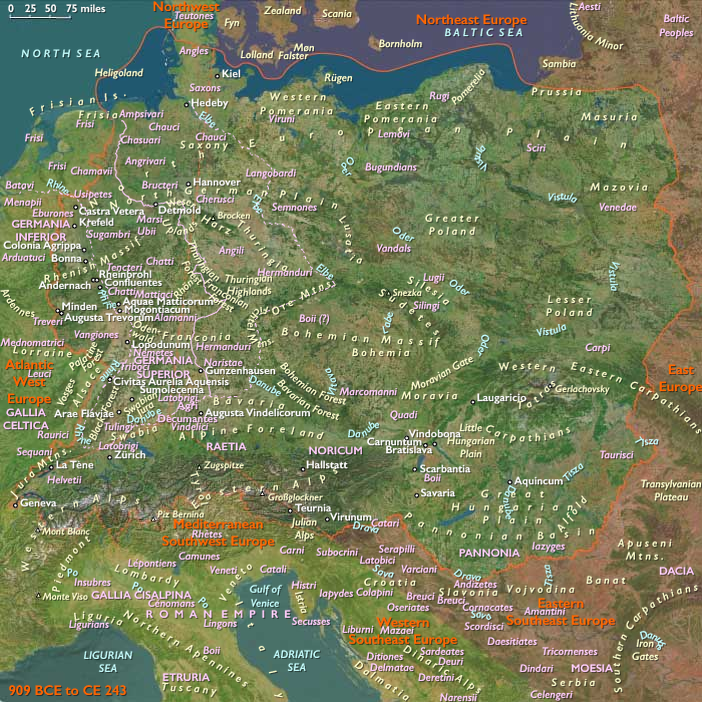
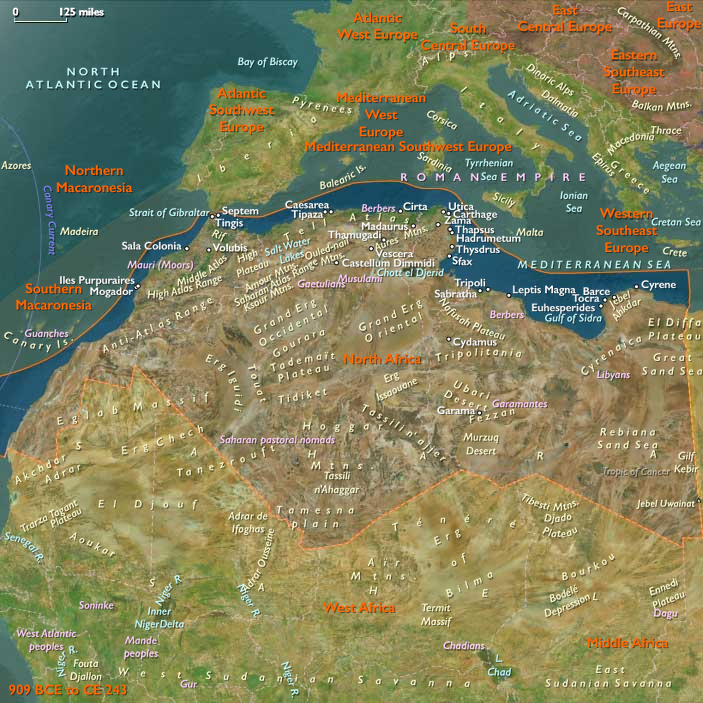
During his reign the Empire conquers Thrace, Noricum, Pamphylia, Lycia and Judaea, and begins the conquest of Britain.
He takes a personal interest in law, presides at public trials, and issues up to twenty edicts a day.
However, he is seen as vulnerable throughout his reign, particularly by the nobility.
Claudius is constantly forced to shore up his position; this results in the deaths of many senators.
These events damage his reputation among the ancient writers, though more recent historians have revised this opinion.
After his death in 54, his grand-nephew and adopted son Nero succeeds him as Emperor.