Chiang Kai-shek
Chairman of the National Government of China
Years: 1887 - 1975
Chiang Kai-shek (October 31, 1887 – April 5, 1975) is a 20th-century Chinese political and military leader.
He is known as Jiang Jieshi or Jiang Zhongzheng in Mandarin Chinese.
Chiang is an influential member of the Kuomintang (KMT), or Nationalist Party, and is a close ally of Sun Yat-sen.
He becomes the Commandant of the Kuomintang's Whampoa Military Academy, and takes Sun's place as leader of the KMT when Sun dies in 1925.
In 1926, Chiang leads the Northern Expedition to unify the country, becoming China's nominal leader.
He serves as Chairman of the National Military Council of the Nationalist government of the Republic of China (ROC) from 1928 to 1948.
Chiang leads China in the Second Sino-Japanese War, during which the Nationalist government's power severely weakens, but his prominence grows.
Unlike Sun Yat-sen, Chiang Kai-shek is socially conservative, promoting traditional Chinese culture in the New Life Movement and rejecting western democracy and the nationalist democratic socialism that Sun Yat-sen and some other members of the KMT embrace in favor of a nationalist authoritarian government.
Chiang's predecessor, Sun Yat-sen, is well-liked and respected by the Communists, but after Sun's death Chiang is not able to maintain good relations with the Communist Party of China (CPC).
A major split between the Nationalists and Communists occurs in 1927; and, under Chiang's leadership, the Nationalists fight a nationwide civil war against the Communists.
After Japan invades China in 1937, Chiang agrees to a temporary truce with the CPC.
Despite some early cooperative military successes against Japan, by the time that the Japanese surrender in 1945 neither the CPC nor the KMT trust each other or are actively cooperating.
After American-sponsored attempts to negotiate a coalition government fail in 1946, the Chinese Civil War resumes.
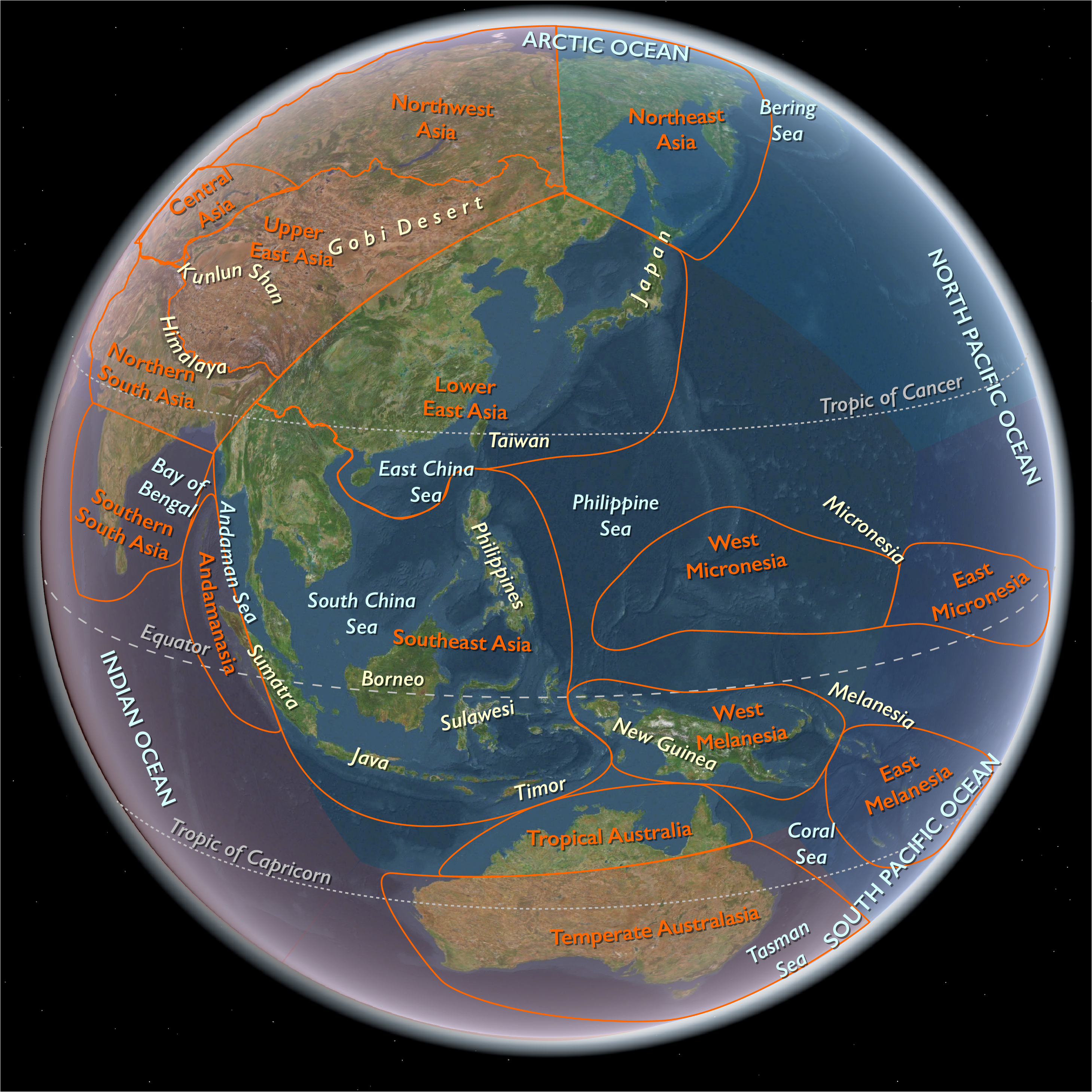
The CPC defeats the Nationalists in 1949, forcing Chiang's government to retreat to Taiwan, where Chiang imposes martial law and persecutes people critical of his rule in a period known as the "White Terror".
After evacuating to Taiwan, Chiang's government continues to declare its intention to retake mainland China.
Chiang rules the island securely as President of the Republic of China and General of the Kuomintang until his death in 1975.
He rules mainland China for 22 years, and Taiwan for 30 years.