Charles XII of Sweden
King of Sweden
Years: 1682 - 1718
Charles XII also Carl of Sweden, Swedish: Karl XII, Latinized to Carolus Rex, Turkish: Demirbaş Şarl (which means Charles the Habitué or Charles the Fixture) (17 June 1682 – 30 November 1718) is the King of the Swedish Empire from 1697 to 1718.
The only surviving son of King Charles XI of Sweden and Ulrika Eleonora the Elder, Charles assumes power after a seven-month caretaker government at the age of fifteen.
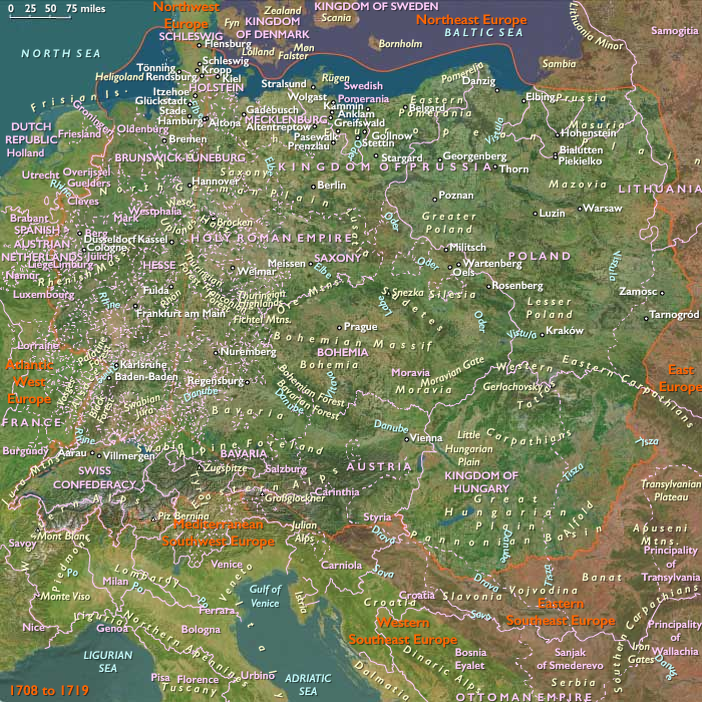
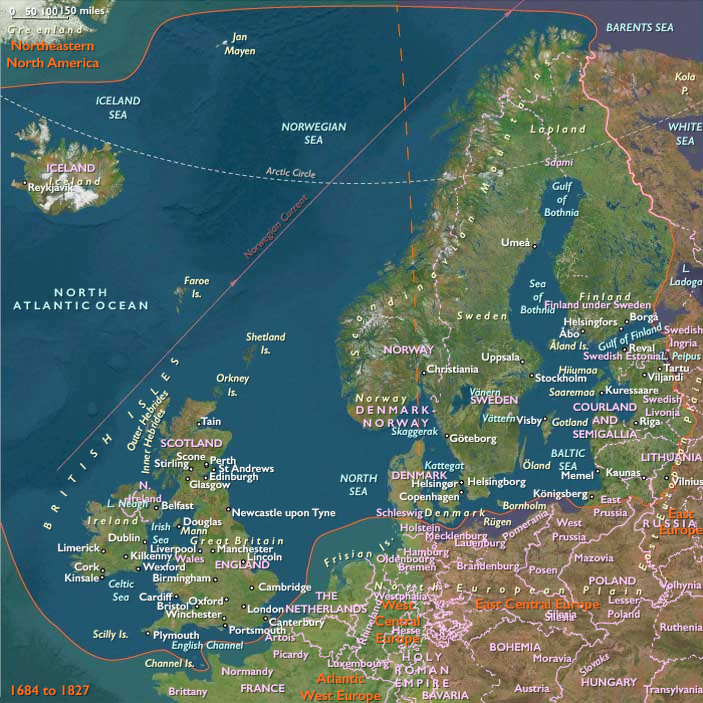
In 1700, a triple alliance of Denmark–Norway, Saxony–Poland–Lithuania and Russia launches a threefold attack on the Swedish protectorate of Swedish Holstein-Gottorp and provinces of Livonia and Ingria, aiming to draw advantage as Sweden is unaligned and ruled by a young and inexperienced king, thus initiating the Great Northern War.
Leading the formidable Swedish army against the alliance, Charles has by 1706 forced to submission all parties but Russia.
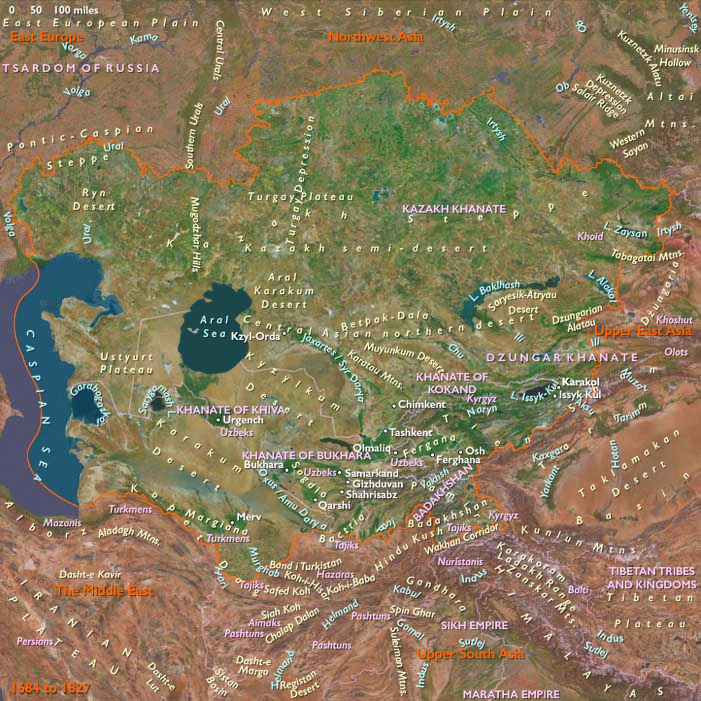
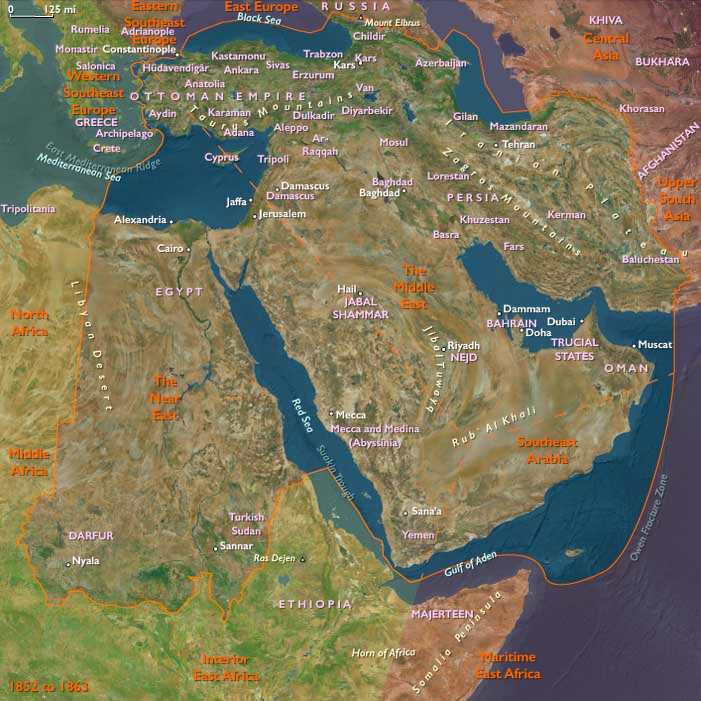
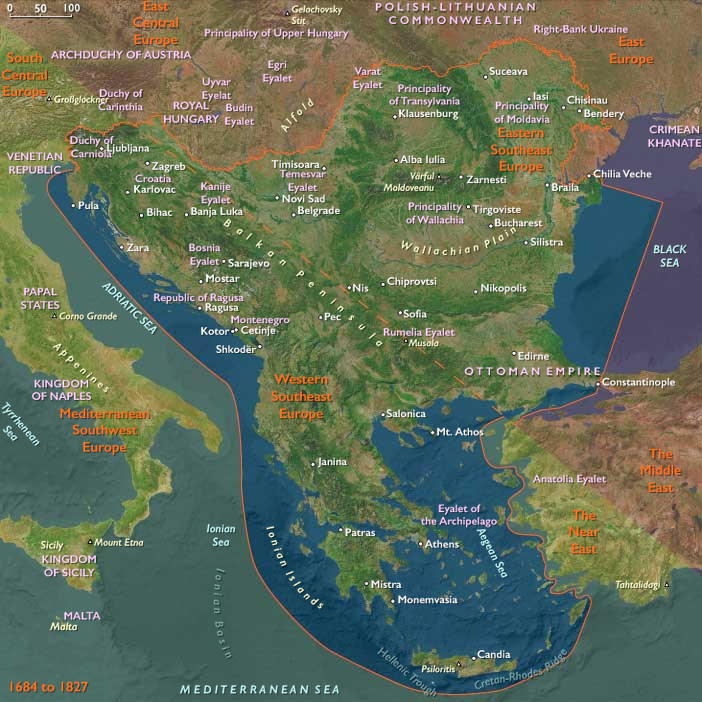
Charles' subsequent march on Moscow ends with the dismemberment of the Swedish army at Poltava and Perevolochna, and he spends the following years in exile in the Ottoman Empire before returning to lead an assault on Norway, trying to evict the Danish king from the war once more in order to aim all his forces at the Russians.
Two failed campaigns conclude with his death at the Siege of Fredriksten in 1718.
At this time, most of the Swedish Empire is under foreign military occupation, though Sweden itself remains free.
This situation is later formalized, albeit moderated in the subsequent Treaty of Nystad.
The close will see not only the end of the Swedish Empire but also of its effectively organized absolute monarchy and war machine, commencing a parliamentarian government unique for continental Europe, which will last for half a century until royal autocracy is restored by Gustav III.
Charles is an exceptionally skilled military leader and tactician as well as an able politician, credited with introducing important tax and legal reforms.
As for his famous reluctance towards peace efforts he is quoted by Voltaire as saying, upon the outbreak of the war; "I have resolved never to start an unjust war but never to end a legitimate one except by defeating my enemies."
With the war consuming more than half his life and nearly all his reign, he never marries and fathers no children, and is succeeded by his sister Ulrika Eleonora, who in turn is coerced to hand over all substantial powers to the Riksdag of the Estates and opts to surrender the throne to her husband, who becomes King Frederick I of Sweden.