Charles Sumner
American politician and senator
Years: 1811 - 1874
Charles Sumner (January 6, 1811 – March 11, 1874) is an American politician and senator from Massachusetts.
An academic lawyer and a powerful orator, Sumner is the leader of the antislavery forces in Massachusetts and a leader of the Radical Republicans in the United States Senate during the American Civil War and Reconstruction, working to control the ex-Confederates and guarantee equal rights to the Freedmen.
Sumner believes that African Americans need to be literate before being allowed suffrage.
Sumner changes his political party several times, gaining fame as a Republican.
One of the most learned statesmen of the era, he specializes in foreign affairs, working closely with Abraham Lincoln to keep the British and the French from intervening on the side of the Confederacy during the Civil War.
He devotes his enormous energies to the destruction of what he considersthe Slave Power, that is the efforts of slave owners to take control of the federal government and ensure the survival and expansion of slavery.
In 1856, a South Carolina Congressman nearly kills Sumner on the Senate floor two days after Sumner delivers an intensely anti-slavery speech called "The Crime against Kansas".
In the speech, Sumner had characterized the attacker's uncle, South Carolina Senator Andrew Butler, as a pimp for slavery.
After three years of medical treatment, Sumner returns to the Senate as the war begins.
He becomes the chief Senate spokesman on foreign affairs, and a leader of the Radical Republicans who seek to destroy slavery and radically transform the South.
As the chief Radical leader in the Senate during Reconstruction, 1865–1871, Sumner fights hard to provide equal civil and voting rights for the freedmen on the grounds that "consent of the governed" is a basic principle of American republicanism, and to block ex-Confederates from power so they will not reverse the North's victory in the Civil War.
Sumner, teaming with House leader Thaddeus Stevens, defeats Andrew Johnson's reconstruction plans and imposes Radical views on the South.
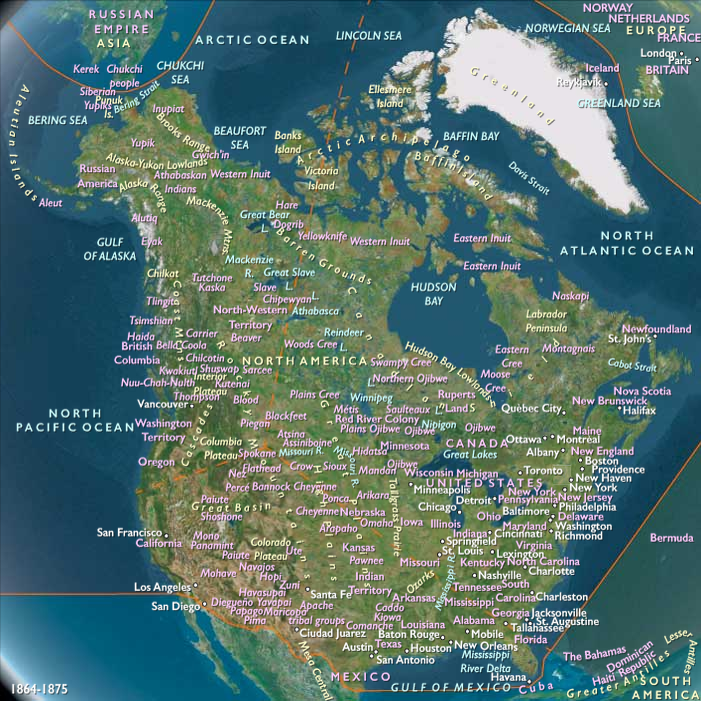
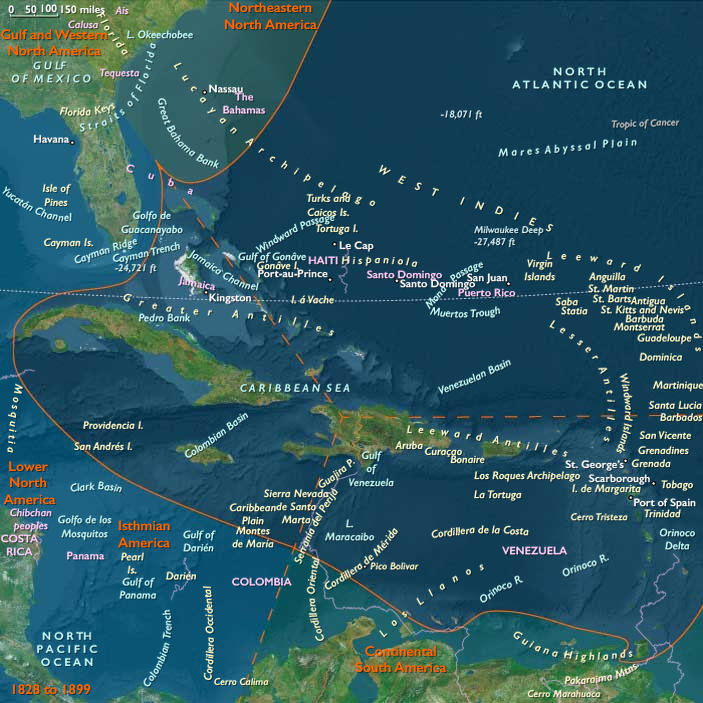
Athough Sumner forcefully advocates the annexation of Alaska in the Senate, he is against the annexation of the Santo Domingo.
After leading Senators to defeat President Ulysses S. Grant's Santo Domingo Treaty in 1870, Sumner breaks with Grant and is determined to defeat any treaty or legislation that Grant supports.
In 1871, President Grant and his Secretary of State Hamilton Fish retaliate, knowing that Senator Sumner is an obstructionist; through Grant's Senate supporters, Sumner’s committee chairmanship power base is taken away.
Sumner in turn concludes that Grant is a corrupt despot and that the success of Reconstruction policies calls for new national leadership.
Sumner bitterly opposes Grant's reelection by supporting the Liberal Republican candidate Horace Greeley in 1872 and loses his power inside the Republican Party.
Less than two years later, he dies in office.