Charles I of Naples
King of Naples
Years: 1226 - 1285
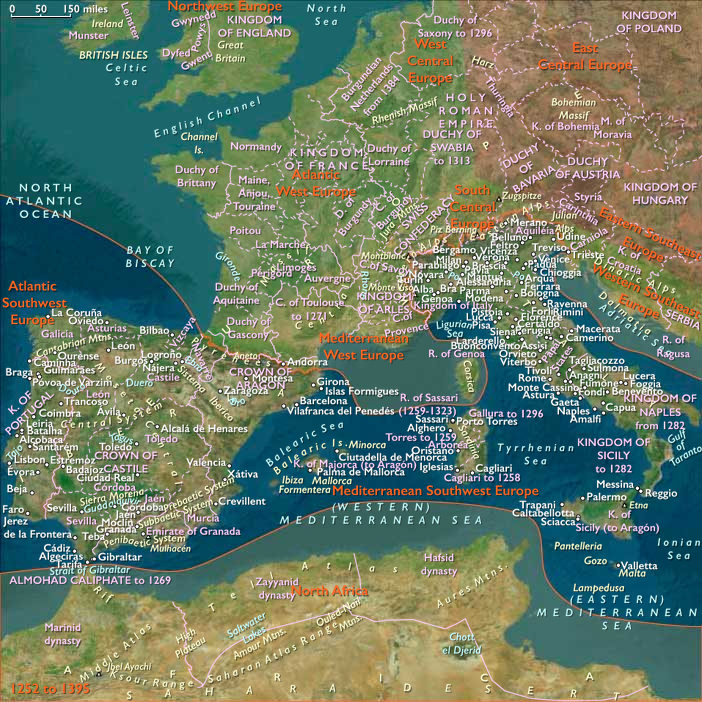
Charles I (March 21, 1226 – January 7, 1285), known also as Charles of Anjou, is the King of Sicily by conquest from 1266, though he had received it as a papal grant in 1262 and is expelled from the island in the aftermath of the Sicilian Vespers of 1282.
Thereafter, he claims the island, though his power is restricted to the peninsular possessions of the kingdom, with his capital at Naples (and for this he is usually titled King of Naples after 1282, as are his successors).
Charles is the youngest son of Louis VIII of France and Blanche of Castile, and hence younger brother of Louis IX of France and Alfonso II of Toulouse.
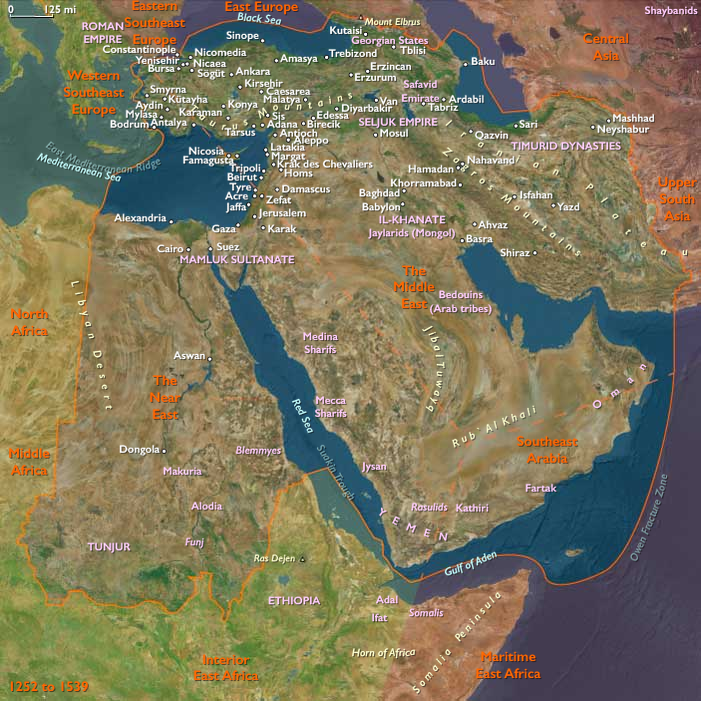
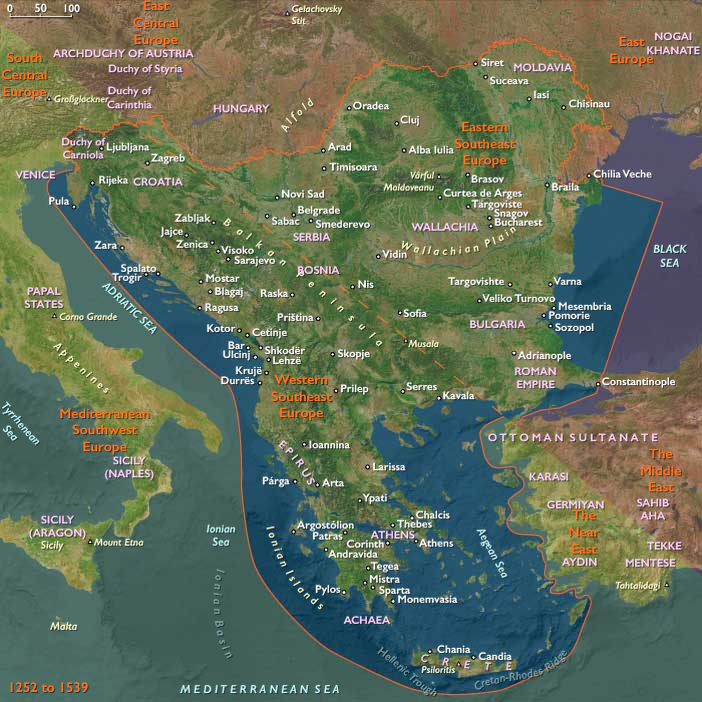
He conquers the Kingdom of Sicily from the Hohenstaufen and acquires lands in the eastern Mediterranean.
However, the War of the Sicilian Vespers forces him to abandon his plans to reassemble the Latin Empire.
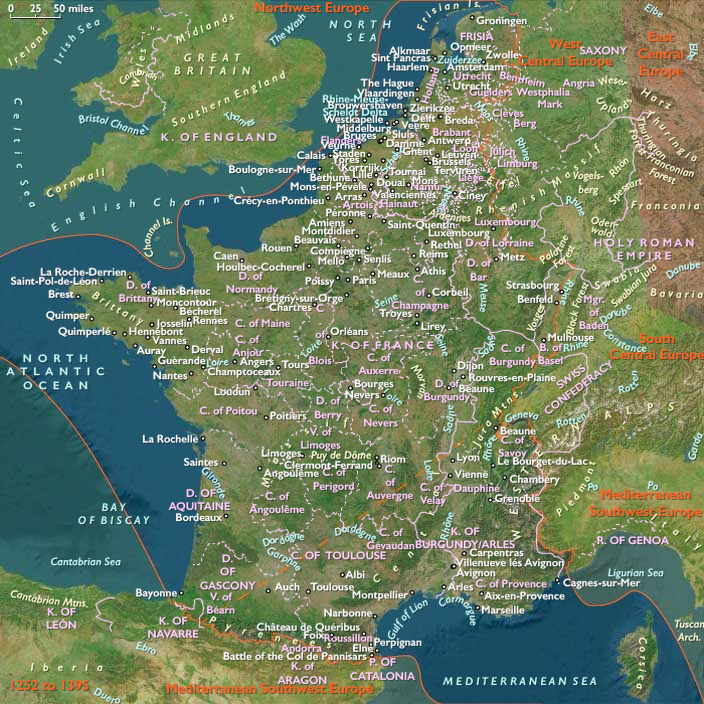
By marriage to Beatrice of Provence, heiress of Raymond Berengar IV of Provence, he is Count of Provence and Forcalquier from 1246.
In 1247, his brother Louis IX makes him Count of Anjou and Maine, as appanages of the French crown.
By conquest and self-proclamation, he becomes King of Albania in 1272 and by purchase King of Jerusalem in 1277.
By the testament of William II of Villehardouin, he inherits the Principality of Achaea in 1278.