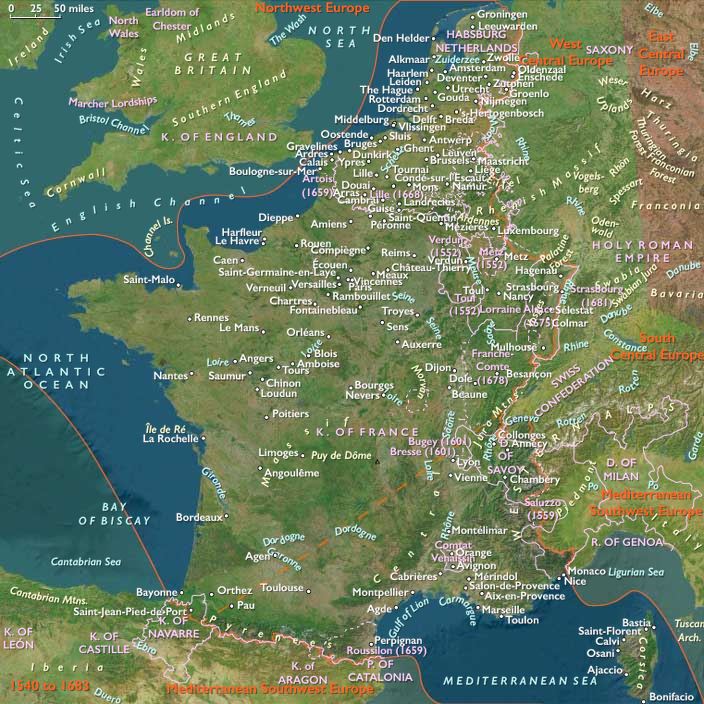
Charles Emmanuel II, Duke of Savoy, born in Turin to Victor Amadeus I, Duke of Savoy and Christine Marie of France, had succeeded to the duchy of Savoy at the age of four.
His mother had governed in his place, and even after reaching adulthood, Charles Emmanuel continues a life of pleasure, far away from the affairs of state.
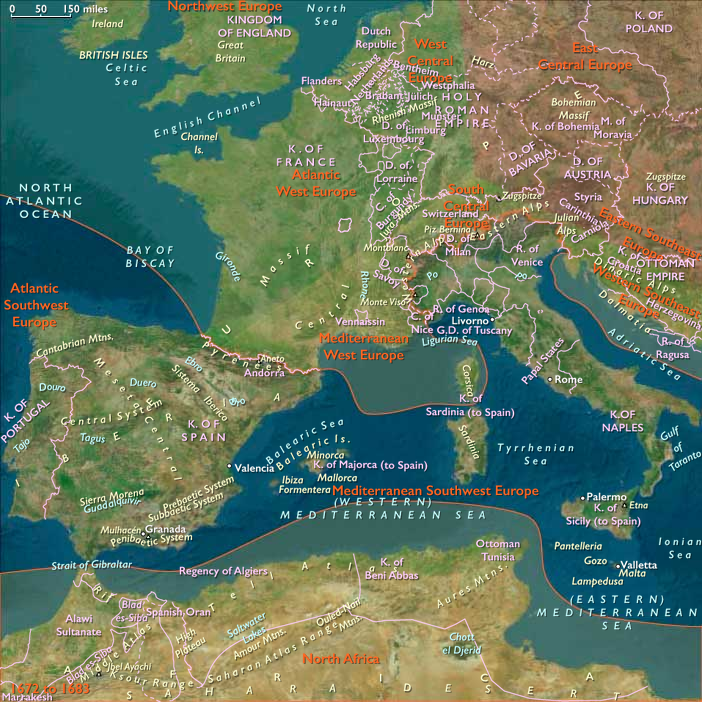
The Waldensians, Waldenses or Vaudois, had arrived in the valley of Torre Pelice in the early thirteenth century.
The twenty-year-old Duke Charles Emmanuel commands the Vaudois in 1655 to attend Mass or remove to the upper valleys, giving them twenty days in which to sell their lands.
In a most severe winter, these targets of persecution, old men, women, little children and the sick "waded through the icy waters, climbed the frozen peaks, and at length reached the homes of their impoverished brethren of the upper Valleys, where they were warmly received."
Here they find refuge and rest.
The Duke, deceived by false reports of Vaudois resistance, sends an army.
On April 24, 1655, at 4 a.m., the signal is given for a general massacre, the horrors of which can be detailed only in small part.
The massacre is so brutal it arouses indignation throughout Europe.
Lord Protector Oliver Cromwell, ruling in England, begins petitioning on behalf of the Vaudois, writing letters, raising contributions, calling a general fast in England and threatening to send military forces to the rescue.
Sir Samuel Morland, commissioned with this task, will later write The History of the Evangelical Churches of the Valleys of Piemont (1658).
The massacre prompts John Milton's famous poem on the Waldenses, "On the Late Massacre in Piedmont".