The Mad War and Brittany's Integration into France (1485–1491)
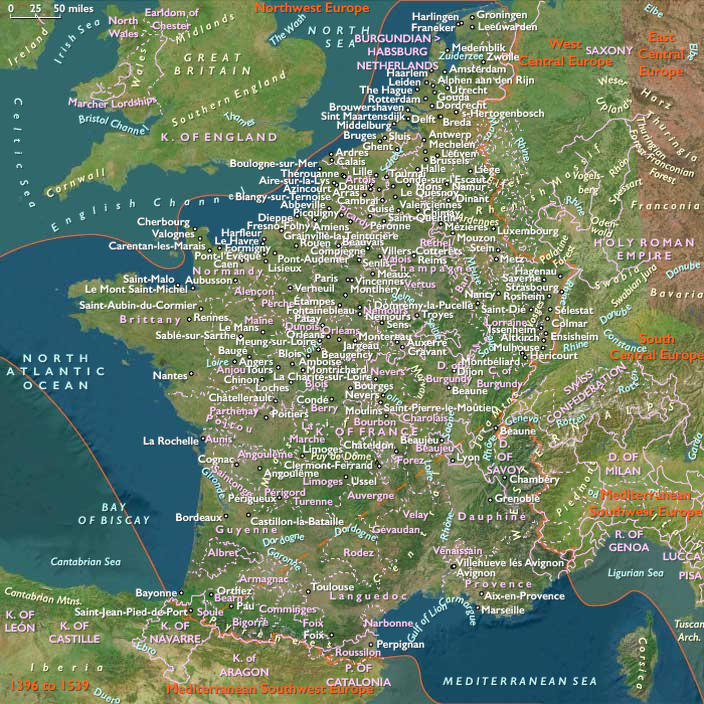
Following the death of King Louis XI in 1483, his thirteen-year-old son Charles VIII inherited a French kingdom fraught with instability. Initially governed by his elder sister, the intelligent and capable Anne of Beaujeu, and her husband, Pierre de Beaujeu, the French crown faced immediate challenges as influential princes sought to reverse Louis XI’s centralizing policies. This confrontation escalated into the conflict known as the Mad War (1485–1488), profoundly shaping French territorial integrity, most notably leading to the absorption of the fiercely independent Duchy of Brittany into France.
Regency and Early Instability (1483–1484)
Anne and Pierre skillfully maintained custody of the young king, significantly reducing unpopular taxes and employing diplomatic finesse at the States General of 1484 to pacify noble opposition. Despite their success, disgruntled powerful nobles soon rose in open rebellion, attempting to exploit the king's minority and regain feudal autonomy curtailed by Louis XI.
Outbreak of the Mad War (1485–1488)
Known as the Mad War (Guerre folle) (1485–1488), the rebellion was led principally by Louis II, Duke of Orléans(future King Louis XII), supported by Francis II, Duke of Brittany, René II of Lorraine, and other powerful nobles, such as Alain d'Albret. These princes, emboldened by Louis XI’s death, opposed Anne’s centralized governance and allied themselves with France’s foreign rivals, notably England, Spain, and Austria.
Principal Conflict and Alliances
The rebellion of 1485–1488 escalated rapidly into an international conflict, driven largely by the struggle for control over the strategically significant Duchy of Brittany. Francis II of Brittany’s participation was pivotal, as Brittany remained one of the last independent duchies within the French sphere, fiercely guarding its autonomy against royal centralization efforts.
Decisive Outcomes: Brittany’s Integration into France
The war’s most enduring outcome was Brittany’s absorption into France. Although Brittany initially supported the princes’ rebellion against the French crown, Francis II’s defeat at the pivotal Battle of Saint-Aubin-du-Cormier(1488) ended Breton hopes of maintaining independence. Francis died shortly afterward, leaving his young daughter, Anne of Brittany, as the duchy’s heiress.
In 1491, in a decisive political move to secure Brittany permanently, King Charles VIII married fourteen-year-old Anne of Brittany. This marriage, initially driven by political necessity and strategic advantage, effectively integrated Brittany into the French kingdom, significantly expanding royal authority and bringing a lasting end to Brittany’s historical independence.
Diplomatic and Political Consequences
The defeat of the rebellious princes and the decisive incorporation of Brittany into France demonstrated the crown's determination to maintain and strengthen central authority. Anne of Beaujeu’s astute handling of opposition, combined with strategic diplomacy and military victories, reinforced royal supremacy and weakened noble opposition for generations.
Economic and Cultural Implications
Integrating Brittany into France had profound economic and cultural consequences. Brittany’s considerable economic resources, notably its prosperous maritime trade and distinctive artistic heritage, significantly enriched the kingdom. However, it also triggered a prolonged period of cultural and administrative assimilation, reshaping Brittany’s regional identity within the French nation-state.
Historical Significance
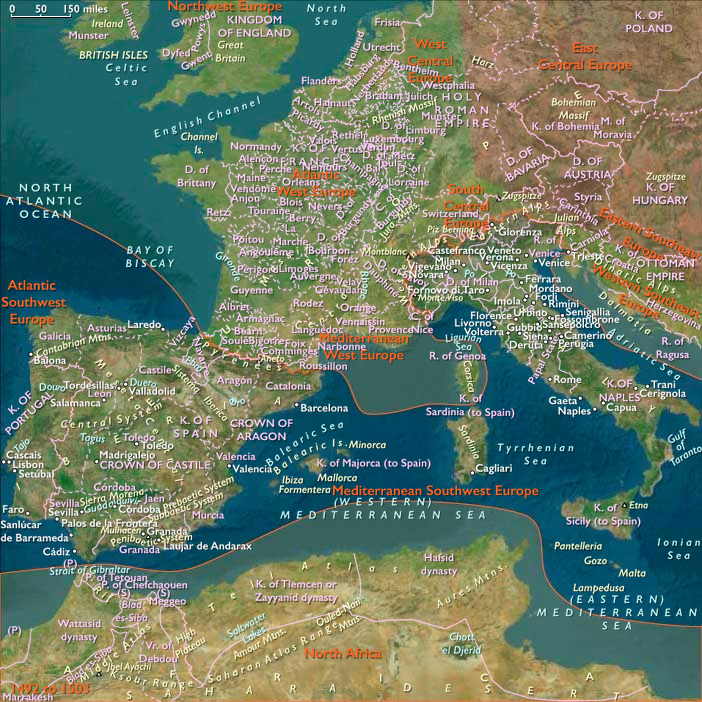
The Mad War (1485–1488) marked a critical transition period in late medieval French history, consolidating the kingdom’s territorial integrity and reinforcing the centralized monarchy established by Louis XI. Brittany’s incorporation into France marked a decisive endpoint to the independence of France’s major feudal principalities, symbolizing the irreversible rise of a centralized state that would dominate French political history well into the modern era. This pivotal development profoundly influenced European politics, as France’s territorial cohesion and royal authority grew significantly, reshaping diplomatic alliances and intensifying rivalries across Atlantic West Europe in subsequent centuries.