Charles Canning, 1st Earl Canning
English statesman and Governor-General of India
Years: 1812 - 1862
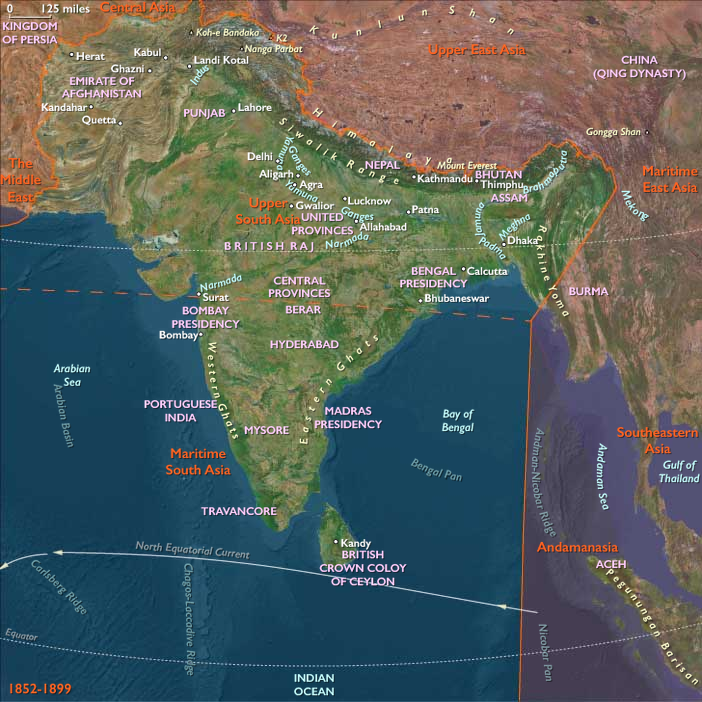
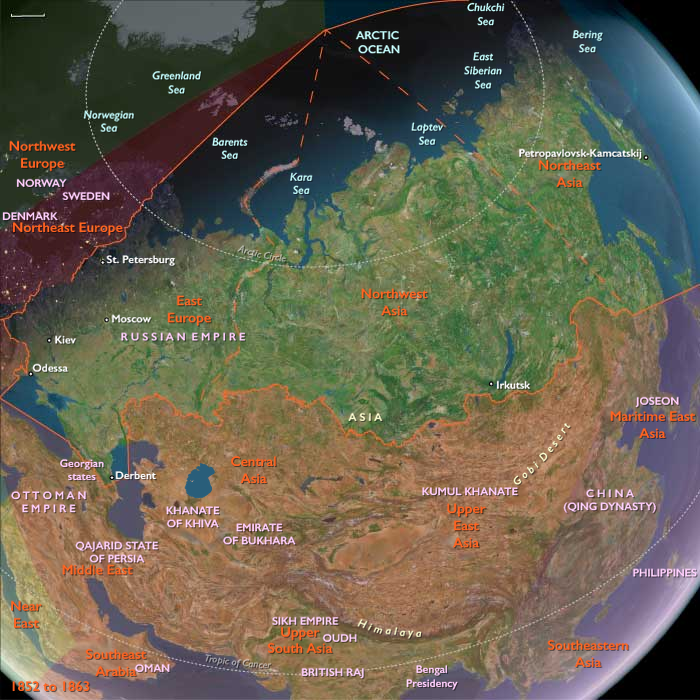
Charles John Canning, 1st Earl Canning KG GCB KSI PC (December 14, 1812 – June 17, 1862), also known as The Viscount Canning and Clemency Canning), is an English statesman and Governor-General of India during the Indian Rebellion of 1857 and the first Viceroy of India after the transfer of power from the East India Company to the Crown of Queen Victoria in 1858 after the rebellion is crushed.
Canning is credited for ensuing that the administration and most departments of the government function normally during the rebellion and takes major administrative decisions even during the peak of the Rebellion in 1857, including establishment of the first three modern Universities in India, the University of Calcutta, University of Madras and University of Bombay, based on Wood's dispatch.
Canning passes the Hindu Widows' Remarriage Act, 1856 which had been drafted by his predecessor Lord Dalhousie before the rebellion.
After the rebellion he presides over a smooth transfer and reorganization of government from the East India company to the crown. The Indian Penal Code is drafted in 1860 based on the code drafted by Macaulay and comes into force in 1862.
Canning meets the rebellion '"with firmness, confidence, magnanimity and calm" as per his biographer.
Canning is very firm during the rebellion but after that he focuses on reconciliation and reconstruction rather than retribution and issues a clemency proclamation.