Catherine the Great
Empress and Autocrat of All the Russias
Years: 1729 - 1796
Catherine II, also known as Catherine the Great (Russian: Yekaterina II Velikaya; German: Katharina die Große), Empress of Russia (May 2 [O.S. April 21] 1729 – November 17 [O.S.November 6] 1796), is the most renowned and the longest-ruling female leader of Russia, reigning from July 9 [O.S. June 28] 1762 until her death at the age of sixty-seven.
Born in Stettin, Pomerania, Prussia as Sophie Friederike Auguste von Anhalt-Zerbst-Dornburg, she comes to power following a coup d'état and the assassination of her husband, Peter III, at the end of the Seven Years' War.
Russia is revitalized under her reign, growing larger and stronger than ever and becoming recognized as one of the great powers of Europe.
In both her accession to power and in rule of her empire, Catherine often relies on her noble favorites, most notably Grigory Orlov and Grigory Potemkin.
Assisted by highly successful generals such as Pyotr Rumyantsev and Alexander Suvorov, and admirals such as Fyodor Ushakov, she governs at a time when the Russian Empire is expanding rapidly by conquest and diplomacy.
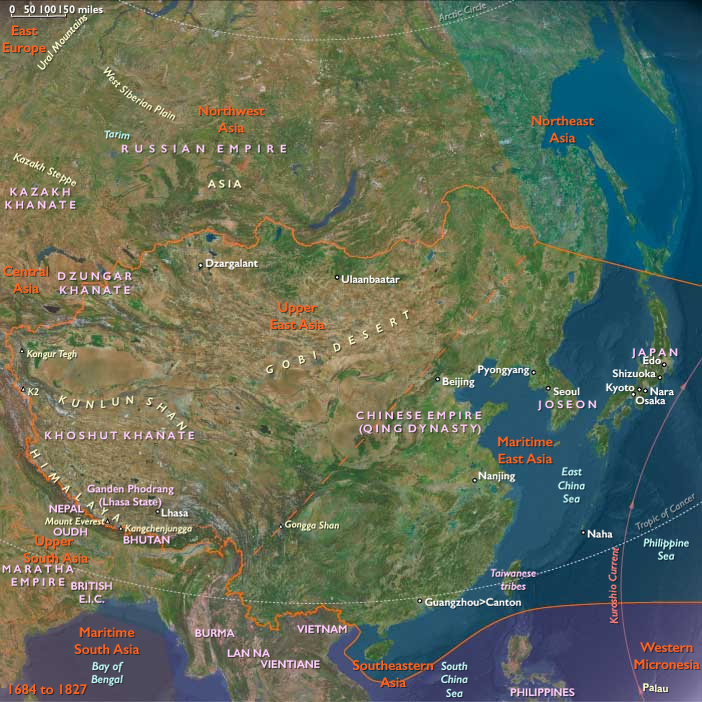
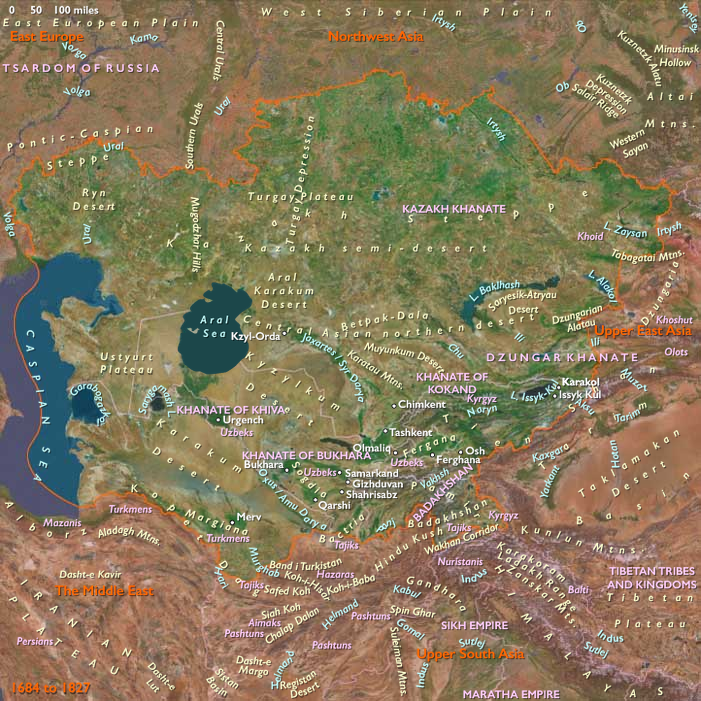
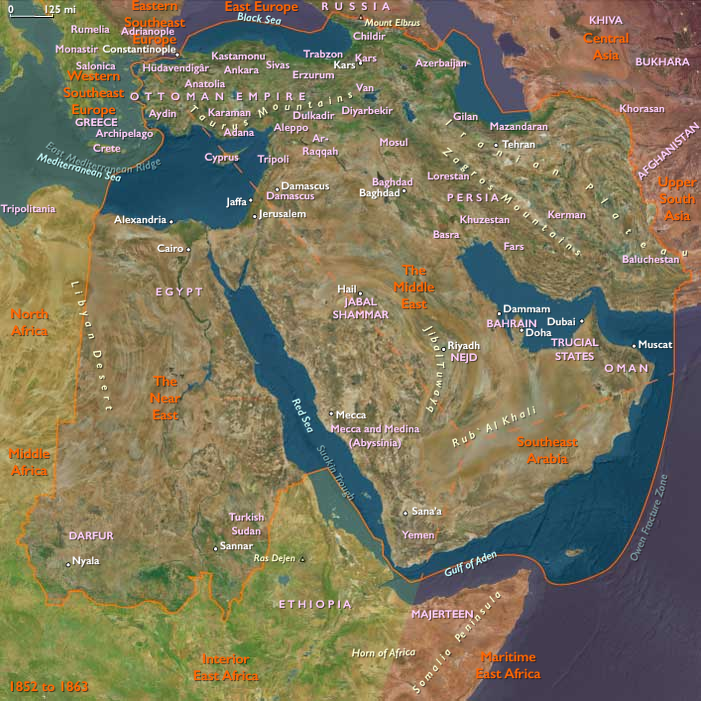
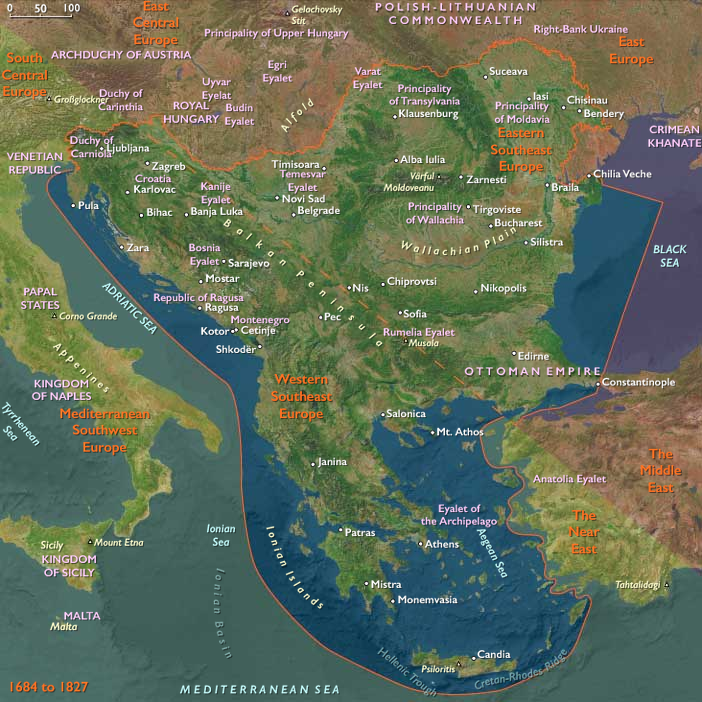
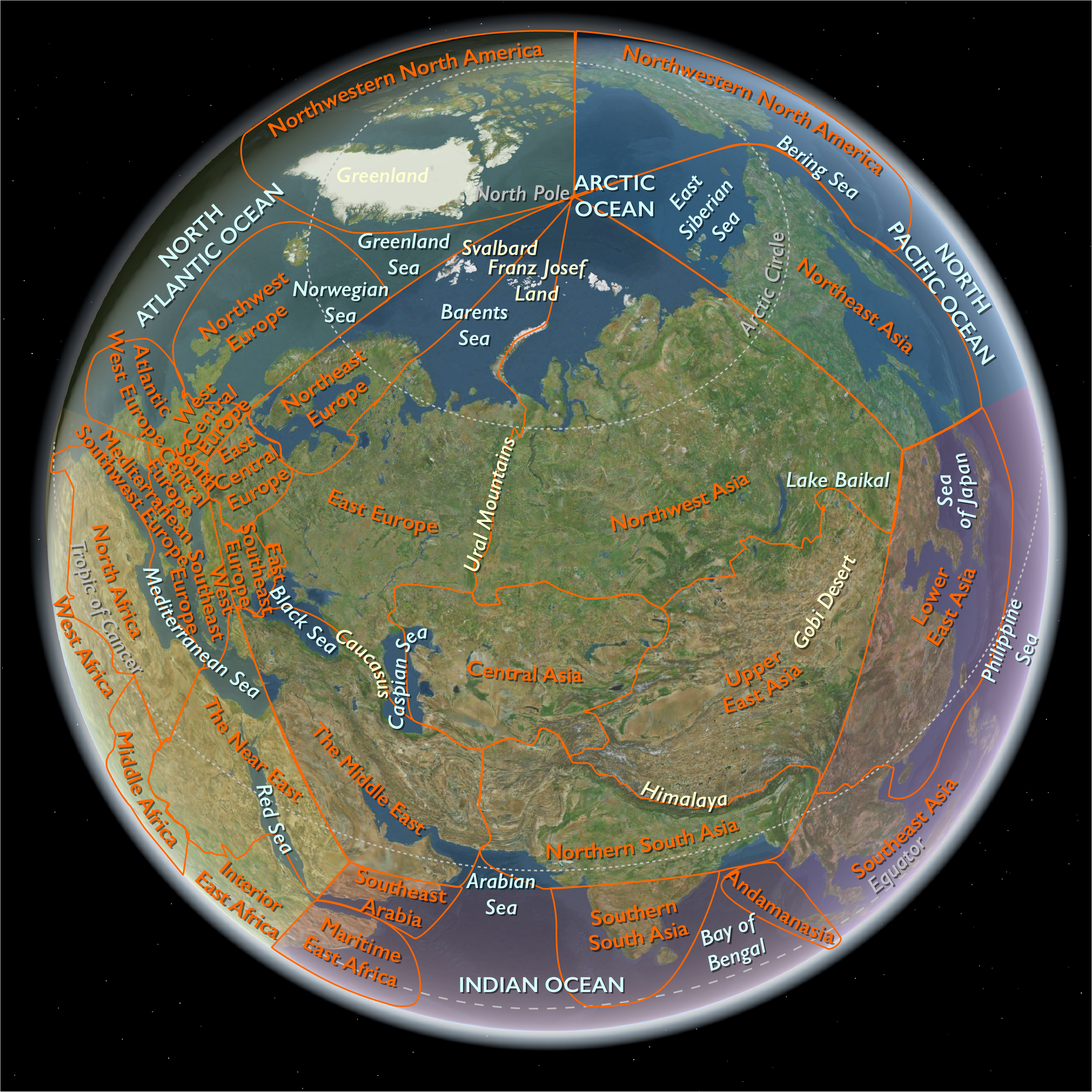
In the south, the Crimean Khanate is crushed following victories over the Ottoman Empire in the Russo-Turkish wars, and Russia colonized the vast territories of Novorossiya along the coasts of the Black and Azov Seas.
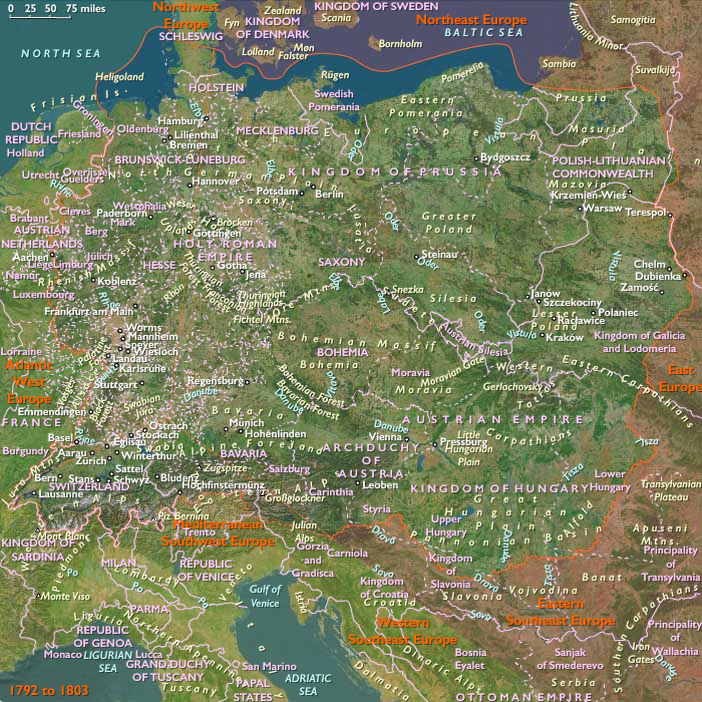
In the west, the Polish-Lithuanian Commonwealth, ruled by Catherine's former lover, King Stanisław August Poniatowski, is eventually partitioned, with the Russian Empire gaining the largest share.
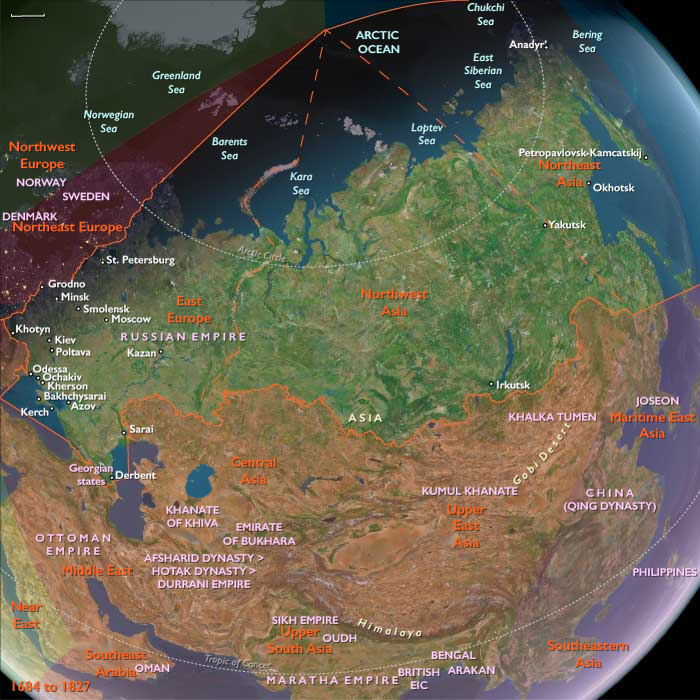
In the east, Russia starts to colonize Alaska, establishing Russian America.
Catherine reforms the administration of Russian guberniyas, and many new cities and towns are founded on her orders.
An admirer of Peter the Great, Catherine continues to modernize Russia along Western European lines.
However, military conscription and economy continue to depend on serfdom, and the increasing demands of the state and private landowners lead to increased levels of exploitation of serfs.
This is one of the chief reasons behind several rebellions, including the large-scale Pugachev's Rebellion of Cossacks and peasants.
The period of Catherine the Great's rule, the Catherinian Era, is often considered the Golden Age of the Russian Empire and the Russian nobility.
The Manifesto on Freedom of the Nobility, issued during the short reign of Peter III and confirmed by Catherine, frees Russian nobles from compulsory military or state service.
Construction of many mansions of the nobility, in the classical style endorsed by the Empress, changes the face of the country.
A notable example of enlightened despot, a correspondent of Voltaire and an amateur opera librettist, Catherine presides over the age of the Russian Enlightenment, when the Smolny Institute, the first state-financed higher education institution for women in Europe, is established.