Carol I of Romania
King of the Romanians
Years: 1828 - 1911
Carol I (20 April 1839 – 27 September (O.S.)
/ 10 October (N.S.)
1914), born Prince Karl of Hohenzollern-Sigmaringen, is the ruler of Romania from 1866 to 1914.
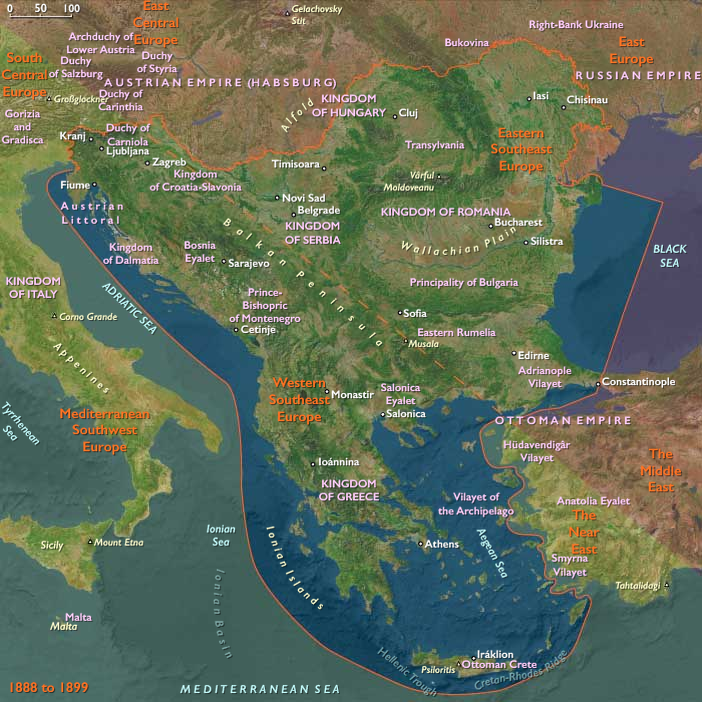
He is elected ruling prince (Domnitor) of the Romanian United Principalities on 20 April 1866 following the overthrow of Alexandru Ioan Cuza by a palace coup.
Following the defeat of the Ottoman Empire in the Russo-Turkish War, he declares Romania a sovereign nation in 1878 (the country had been under the nominal suzerainty of the Ottoman Empire until then).
He is proclaimed King of Romania on 26 March [O.S.
14 March] 1881.
He is the first ruler of the Hohenzollern-Sigmaringen dynasty, which rules the country until the proclamation of a republic in 1947.
During his reign, he personally leads Romanian troops during the Russo-Turkish War and assumes command of the Russo/Romanian army during the siege of Plevna.
The country achieves full independence from the Ottoman Empire (Treaty of Berlin, 1878) and acquires the Cadrilater from Bulgaria in 1913.
Domestic political life, still dominated by the country's wealthy landowning families organized around the rival Liberal and Conservative parties, wis punctuated by two widespread peasant uprisings, in Wallachia (the southern half of the country) in April 1888 and in Moldavia (the northern half) in March 1907.
He marries Elisabeth of Wied in Neuwied on 15 November 1869.
They only have one daughter, Maria, who dies aged three.
Carol never produces a male heir, leaving his elder brother Leopold next in line to the throne.
In October 1880, Leopold renounces his right of succession in favor of his son William, who in turn surrenders his claim six years later in favor of his younger brother, the future king Ferdinand.