Camille Pissarro
French Impressionist and Neo-Impressionist painter
Years: 1830 - 1903
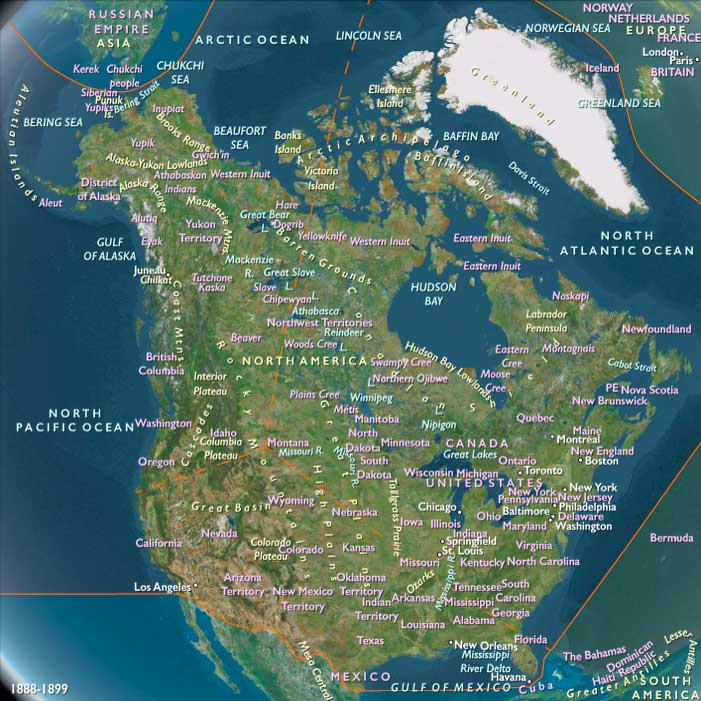
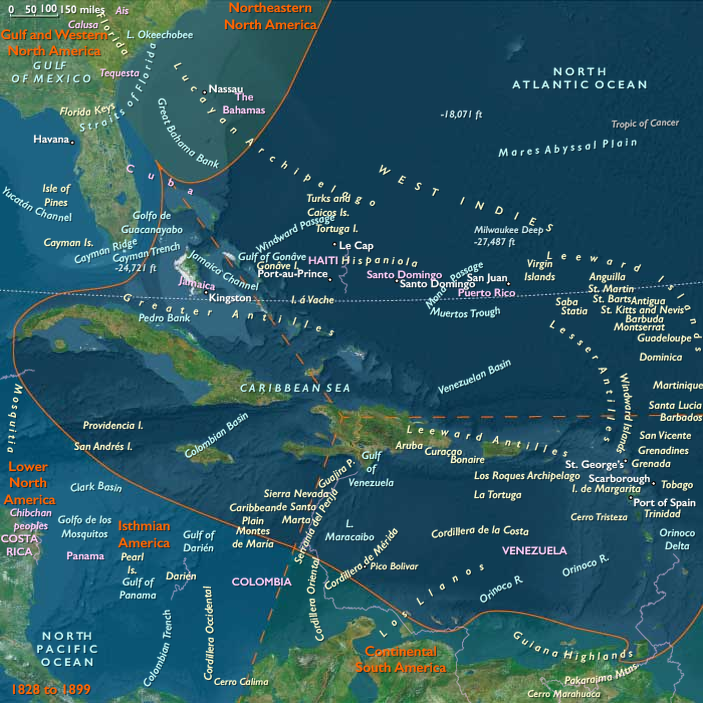
Camille Pissarro (10 July 1830 – 13 November 1903) is a French Impressionist and Neo-Impressionist painter born on the island of St. Thomas (now in the US Virgin Islands, but then in the Danish West Indies).
His importance resides in his contributions to both Impressionism and Post-Impressionism.
Pissarro studies from great forerunners, including Gustave Courbet and Jean-Baptiste-Camille Corot.
He later studies and works alongside Georges Seurat and Paul Signac when he takes on the Neo-Impressionist style at the age of 54.
In 1873, he helps establish a collective society of fifteen aspiring artists, becoming the “pivotal” figure in holding the group together and encouraging the other members.
Pissarro is the only artist to have shown his work at all eight Paris Impressionist exhibitions, from 1874 to 1886.
As a stylistic forerunner of Impressionism, he is today considered a "father figure not only to the Impressionists" but to all four of the major Post-Impressionists, including Georges Seurat, Paul Cézanne, Vincent van Gogh and Paul Gauguin.
(Bade, Patrick.
Monet and the Impressionists, Fog City Press (2003) p. 81)