Bertel Thorvaldsen
Danish sculptor
Years: 1770 - 1844
(Karl Albert) Bertel Thorvaldsen (ca.
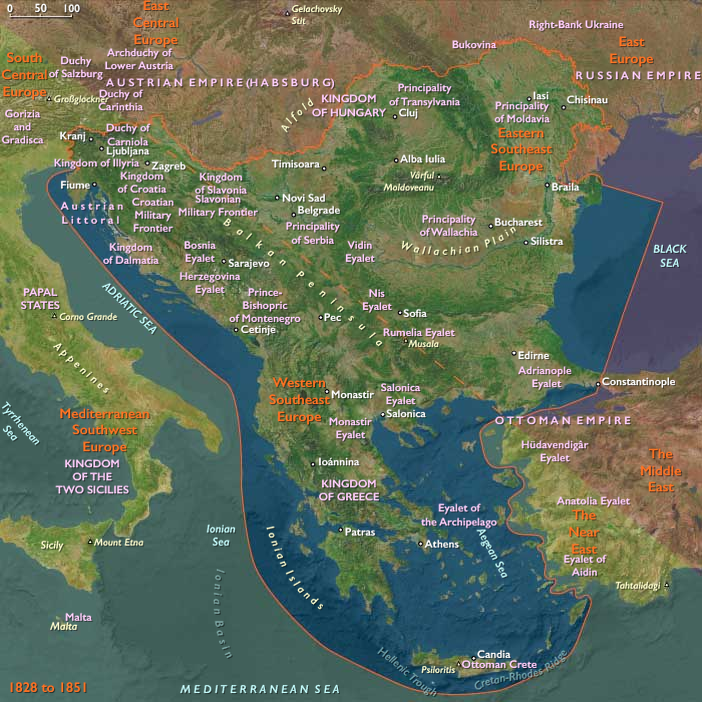
1770 – 24 March 1844) is a Danish sculptor of international fame, who spends most of his life in Italy (from 1789–1838).
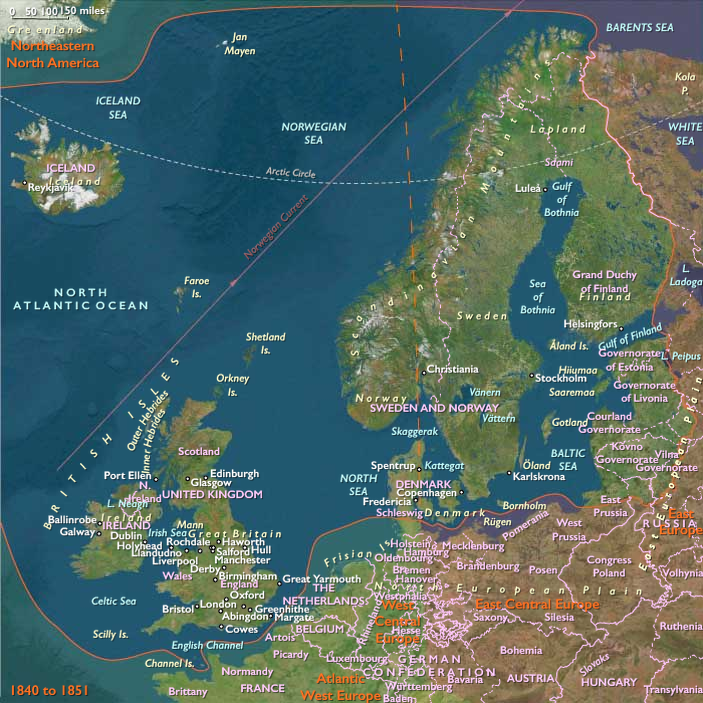
Thorvaldsen was born in Copenhagen into a Danish/Icelandic family of humble means, and is accepted to the Royal Academy of Arts when he is eleven years old.
Working part-time with his father, who is a wood carver, Thorvaldsen wins many honors and medals at the academy.
He is awarded a stipend to travel to Rome and continue his education.
In Rome Thorvaldsen quickly makes a name for himself as a sculptor.
Maintaining a large workshop in the city, he works in a heroic neo-classicist style.
His patrons reside all over Europe.
Upon his return to Denmark in 1838, Thorvaldsen is received as a national hero.
The Thorvaldsens Museum is erected to house his works next to Christiansborg Palace.
Thorvaldsen is buried within the courtyard of the museum.
In his time, he is seen as the successor of master sculptor Antonio Canova.
His strict adherence to classical norms has tended to estrange modern audiences.
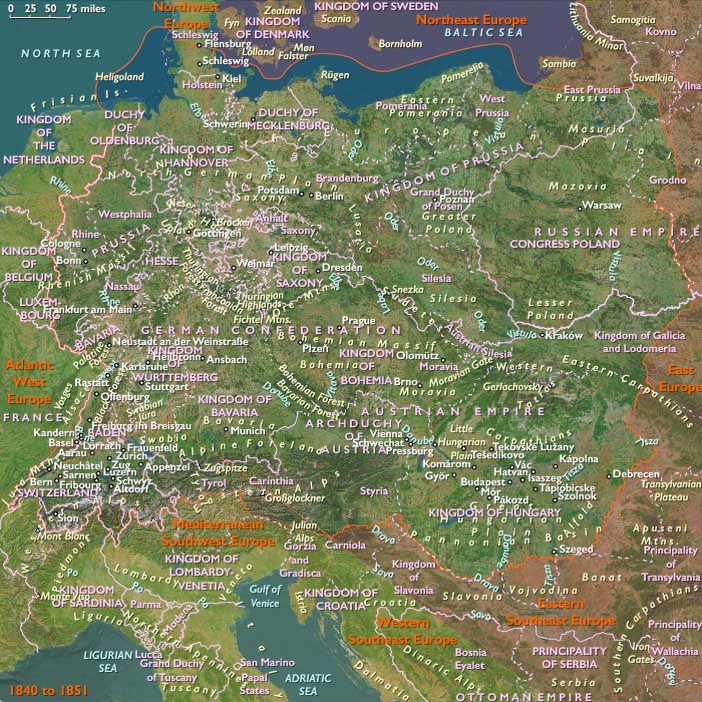
Among his more famous works are the statues of Nicolaus Copernicus and Jozef Poniatowski in Warsaw; the statue of Maximilian I in Munich; and the tomb monument of Pope Pius VII, the only work by a non-Italian in St. Peter's Basilica.