Basarab I
voivode, and later first independent ruler, of Wallachia
Years: 1290 - 1370
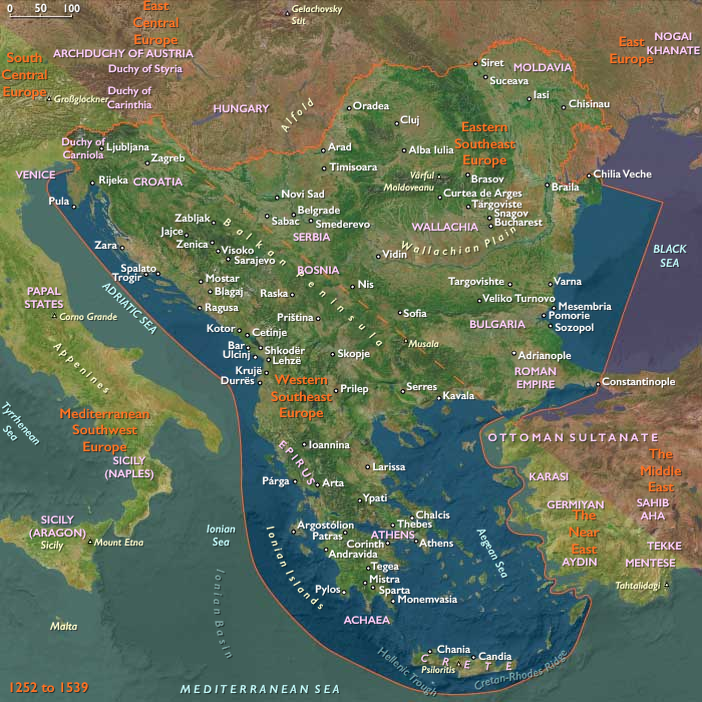
Basarab I, also known as Basarab the Founder, is a voivode, and later the first independent ruler, of Wallachia who lives in the first half of the fourteenth century.
Many details of his life are uncertain.
Although his name is of Turkic origin, fourteenth-century sources unanimously state that he was a Vlach.
Basarab came into power before 1324, but the circumstances of his ascension are unknown.
According to two popular theories, he succeeded either his father, Thocomerius, or the legendary founder of Wallachia, Radu Negru.
A royal charter issued on July 26, 1324 is the first document to reference Basarab.
According to the charter, he is subject to Charles I of Hungary as the voivode of Wallachia.
Basarab becomes "disloyal to the Holy Crown of Hungary" in 1325.
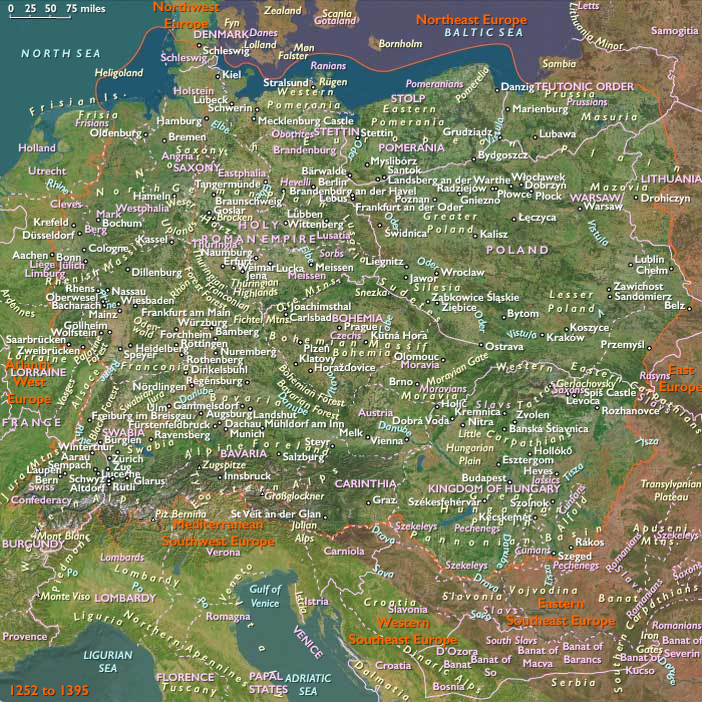
He seizes the Banate of Severin and raids the southern regions of the Kingdom of Hungary.
Basarab supportsMichael Shishman of Bulgaria's attack against the Kingdom of Serbia, but their united armies are defeated in the Battle of Velbazhd on 28 July 1330.
Soon after, Charles I of Hungary invades Wallachia, but the Wallachians ambush and almost annihilated the royal troops in the Battle of Posada, which occurs between November 9 and 12, 1330.
The Battle of Posada ends Hungarian suzerainty in Wallachia, and the first independent Romanian principality is consequently founded.
Basarab's descendants will ruleWallachia for at least two centuries.
The region of Bessarabia, situated between the rivers Dniester and Prut, is named for the Basarab dynasty.