Bartolomé de Medina and the Formulation of Probabilism (1577)
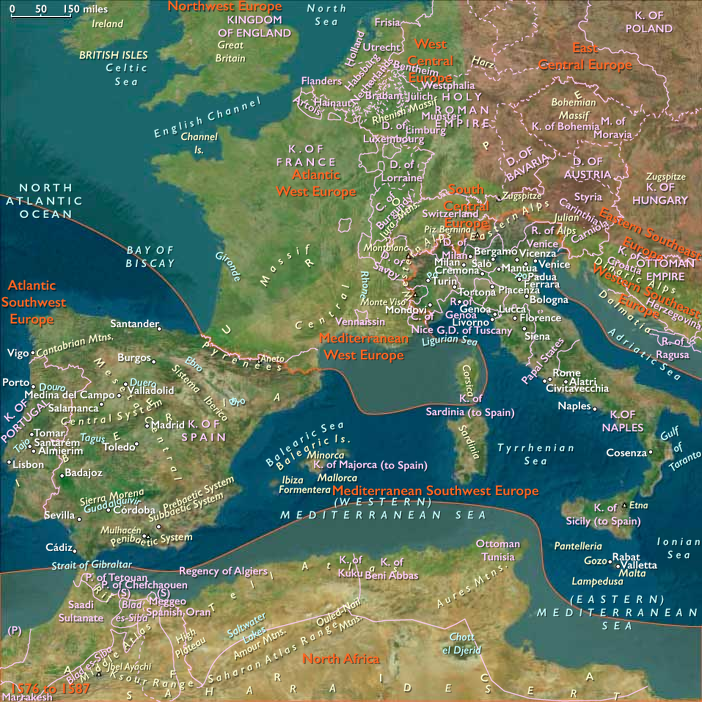
Bartolomé de Medina (1527–1581) was a Dominican friar, theologian, and a staunch proponent of Thomism, who began teaching theology at the University of Salamanca in 1576. In 1577, he developed Probabilism, a moral theological system designed to resolve ethical dilemmas when certainty about sinfulness or permissibility is lacking.
The Concept of Probabilism
- Probabilism is a method for making moral decisions when uncertainty exists about whether an action is sinful or permissible.
- Medina argued that if there is a "probable opinion" supporting the permissibility of an action, one may follow it in good conscience, even if a more probable opinion suggests it is sinful.
Criteria for a Probable Opinion
An opinion is considered probable if it meets one of two conditions:
-
Intrinsic Probability
- The opinion is based on sound, logical arguments and reasoning.
-
Extrinsic Probability
- The opinion is supported by recognized authorities, such as Church Fathers, theologians, or canon law scholars.
Impact of Probabilism in Catholic Moral Theology
- Probabilism offered a flexible moral framework, allowing greater freedom of conscience while still adhering to the principles of Christian ethics.
- It became one of the dominant methods of moral reasoning within Catholic theology, influencing later Jesuit theologians.
- However, it also led to controversies—some critics argued that it weakened moral rigor, making it too easy to justify questionable actions.
Conclusion: Medina’s Legacy in Moral Theology
Bartolomé de Medina’s formulation of Probabilism in 1577 marked a significant development in Catholic moral theology, providing a rational approach to ethical uncertainty. His method remained influential in Jesuit casuistry and theological debates well into the 17th and 18th centuries, shaping the discourse on conscience and moral decision-making within the Catholic Church.