Babur
1st Mughal Emperor
Years: 1483 - 1530
Babur (Persian: lit.
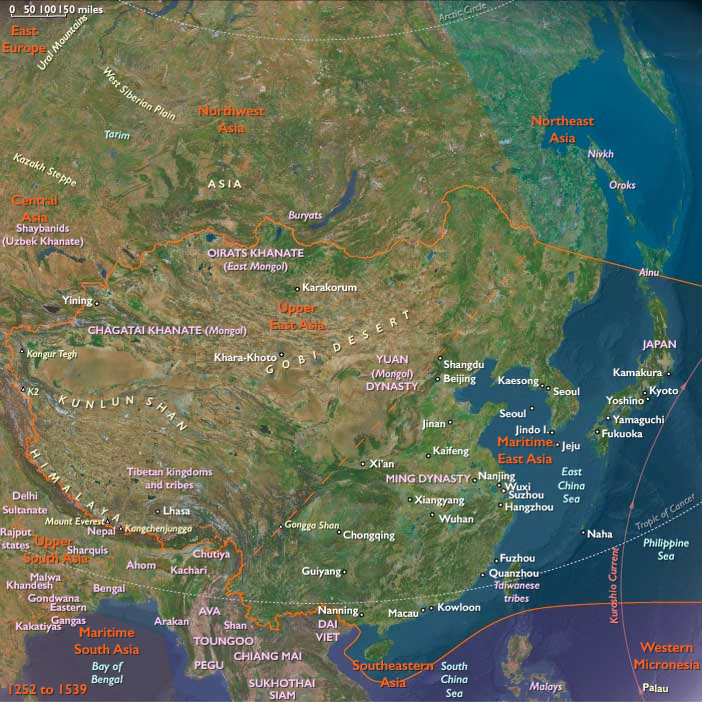
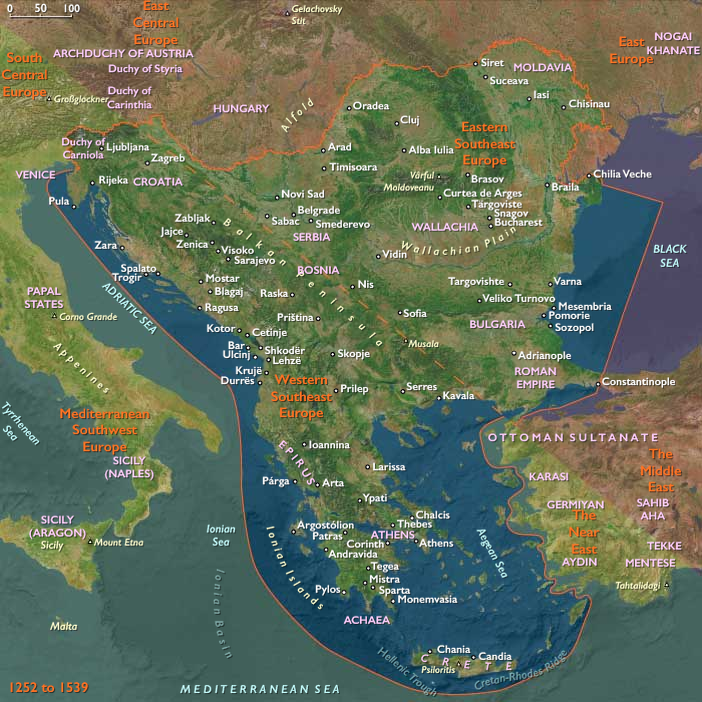
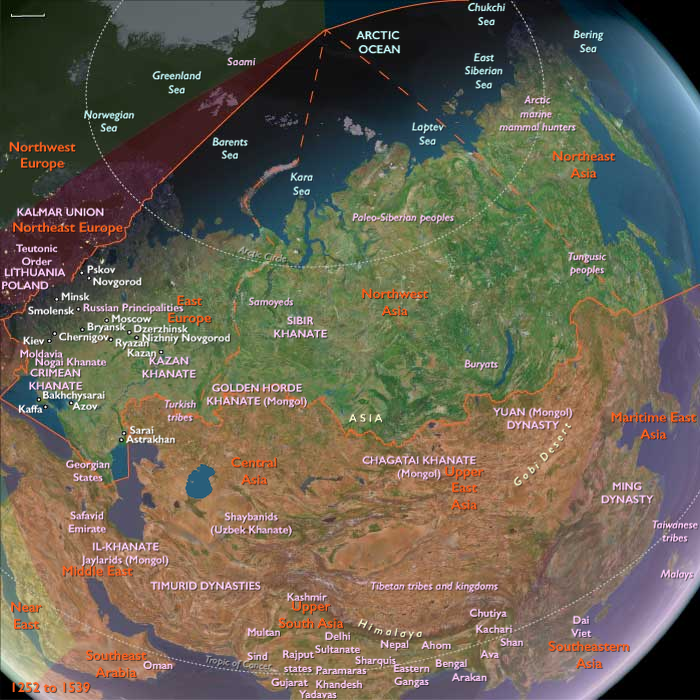
"Tiger"; February 14, 1483 – December 26, 1530), born Ẓahīr-ud-Dīn Muḥammad, is a conqueror from Central Asia who, following a series of setbacks, finally succeeds in laying the basis for the Mughal dynasty in the Indian subcontinent and becomes the first Mughal emperor.
He is a direct descendant of Turco-Mongol conqueror Timur (Timurlane) from the Barlas clan, through his father, and also a descendant of Genghis Khan through his mother.
He is also influenced by the Persian culture and this affected both his own actions and those of his successors, giving rise to a significant expansion of the Persianate ethos in the Indian subcontinent.
Though born as Zahiruddin Muhammad Babur, he is commonly known as Babur.
He is the eldest son of Umar Sheikh Mirza.
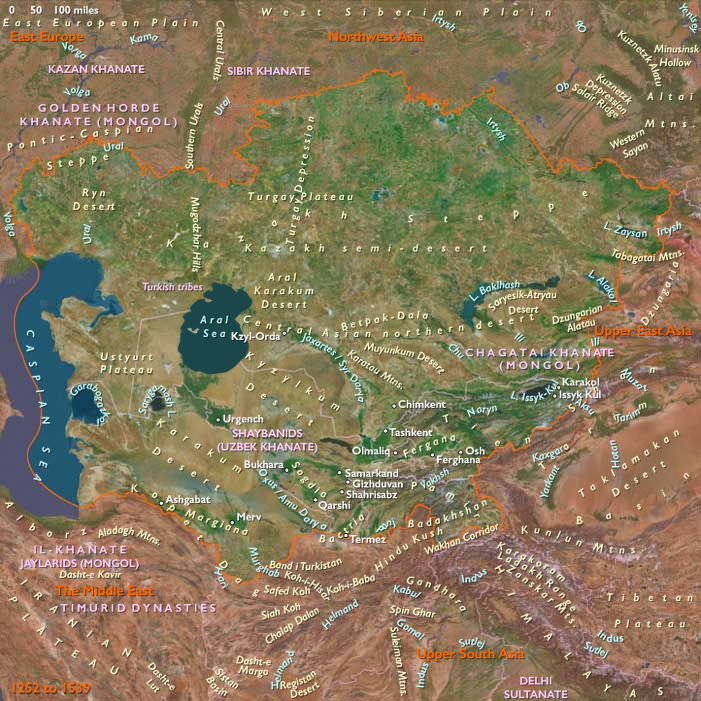
He ascends the throne of Fergana in 1495 at the age of twelve and faces rebellion from his own relatives.
He conquers Samarkand two years later, only to lose the city of Fergana soon after.
In his attempt to reconquer it, he loses control of Samarkand.
In 1501, his attempt to recapture both cities goes in vain as he is defeated by Muhammad Shaybani Khan.
In 1504, he conquers Kabul, which is under the rule of the infant heir of Ulugh Begh.
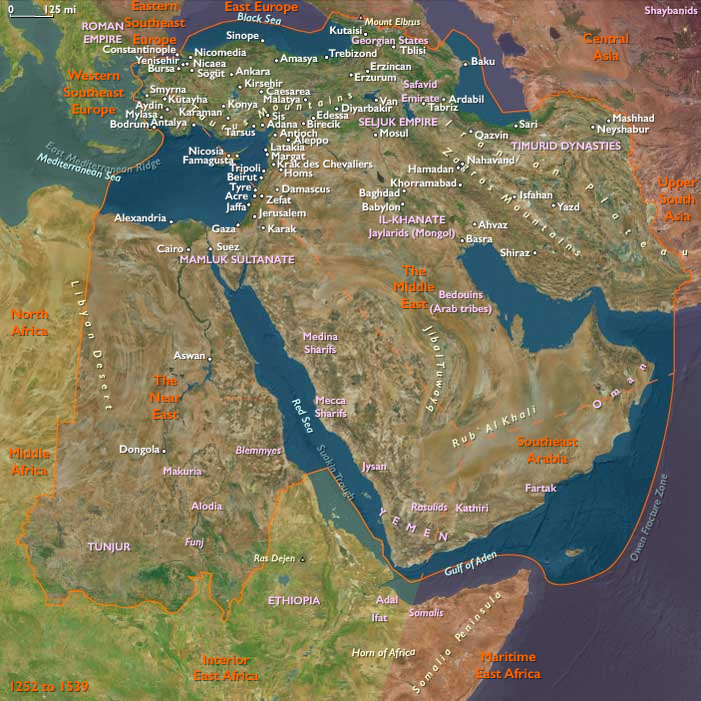
Babur forms a partnership with Safavid ruler Ismail I and reconquers parts of central Asia including Samarkand.
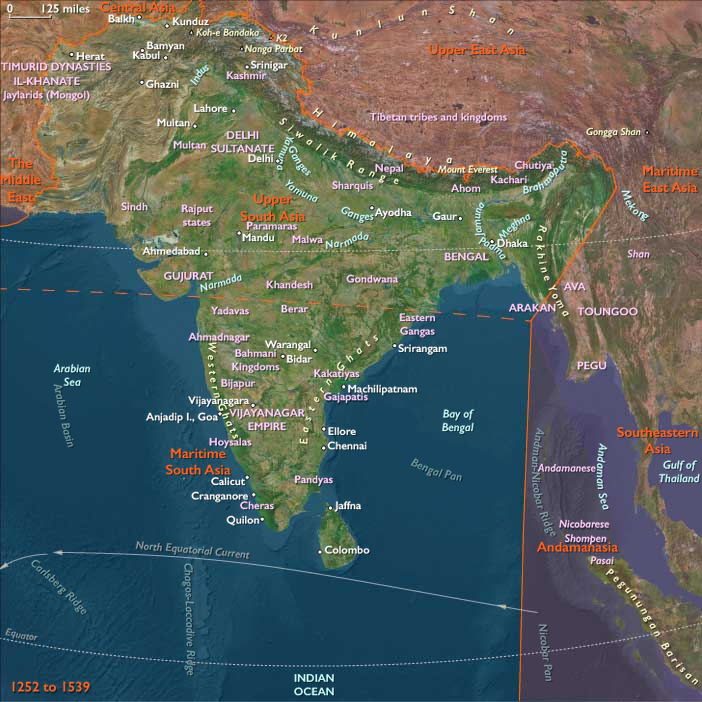
Babur turns his attention to creating his empire in North India, ruled by Ibrahim Lodi of the Lodi dynasty.
In 1524, Daulat Khan Lodi invites his nephew, Babur, to overthrow Ibrahim and become ruler.
Babur defeats Ibrahim Lodi at the First Battle of Panipat in 1526 and so founds the Mughal empire.
However, he again has to face opposition, this time from Rana Sanga of Mewar, who considers Babur a foreigner.
The Rana is defeated by Babur at the Battle of Khanwa.
Babur marries several times.
Notable among his sons are Humayun, Kamran Mirza and Hindal Mirza.
He dies in 1530 and is succeeded by Humayun.
According to Babur's wishes, he is buried in Bagh-e-Babur at Kabul in Afghanistan.
Being a patrilineal descendant of Timur, Babur considers himself as a Timurid and Turk, though Uzbek sources claim him as an ethnic Uzbek.
He is considered a national hero in Uzbekistan and Kyrgyzstan.
Many of his poems also have become popular folk songs.
He had written his autobiography, Baburnama, in Chaghatai Turkic and this will be later translated to Persian during Akbar's reign.