Augustine of Canterbury
Benedictine monk and the 1st Archbishop of Canterbury
Years: 533 - 604
Augustine of Canterbury (circa first third of the 6th century – probably 26 May 604) is a Benedictine monk who becomes the first Archbishop of Canterbury in the year 598.
He is considered the "Apostle to the English" and a founder of the English Church.
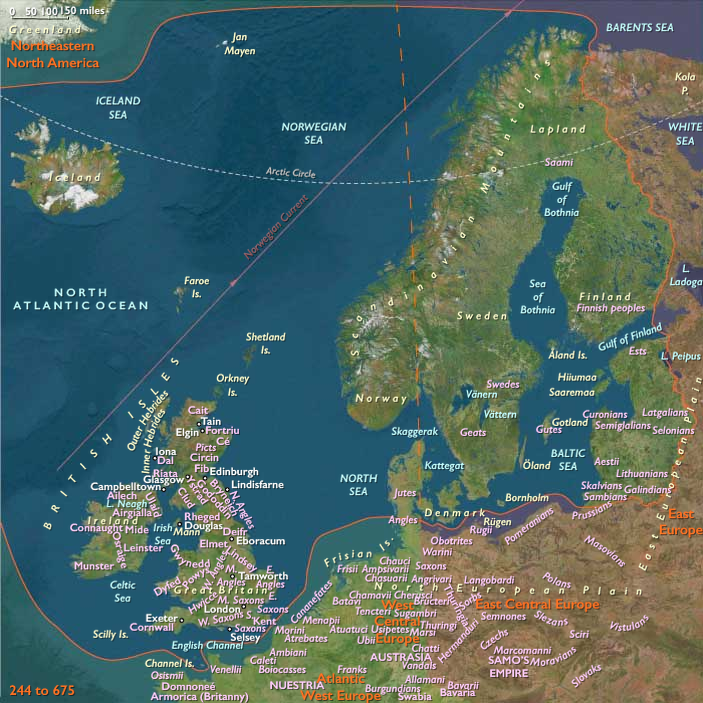
Augustine was the prior of a monastery in Rome when Pope Gregory the Great chose him in 595 to lead a mission, usually known as the Gregorian mission, to Britain to Christianize the King Æthelberht of the Kingdom of Kent from his native Anglo-Saxon paganism.
In a letter to the patriarch of Alexandria detailing early successes of the mission, Gregory writes of having sent Augustine and his companions "to the ends of the earth".
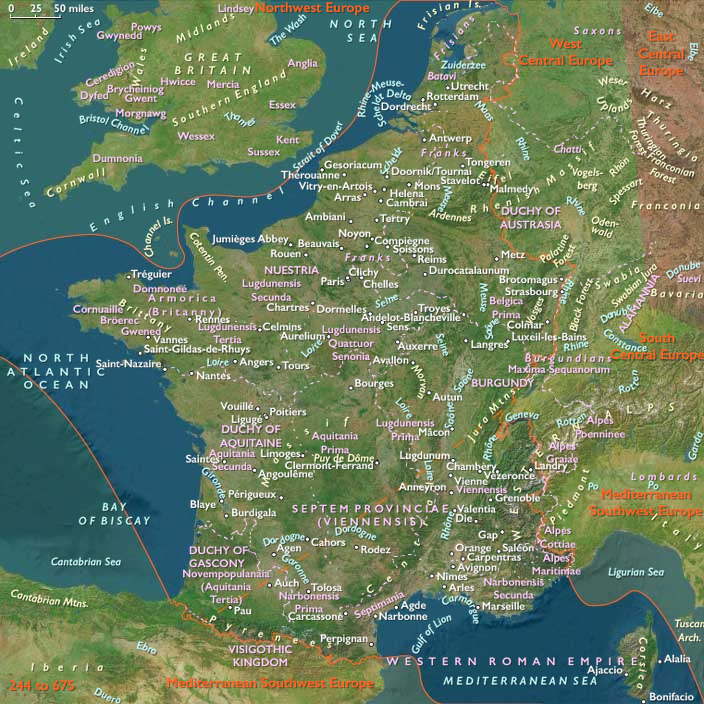
Kent was probably chosen because it was near the Christian kingdoms in Gaul and because Æthelberht had married a Christian princess, Bertha, daughter of Charibert I the King of Paris, who was expected to exert some influence over her husband.
Before reaching Kent, the missionaries had considered turning back but Gregory urged them on and, in 597, Augustine lands on the Isle of Thanet and proceeds to Æthelberht's main town of Canterbury.
King Æthelberht convertsto Christianity and allows the missionaries to preach freely, giving them land to found a monastery outside the city walls.
Augustine is consecrated bishop of the English and convertsmany of the king's subjects, including thousands during a mass baptism on Christmas Day in 597.
Pope Gregory sends more missionaries in 601, along with encouraging letters and gifts for the churches, although attempts to persuade the native Celtic bishops to submit to Augustine's authority fail.
Roman bishops are established at London and Rochester in 604, and a school is founded to train Anglo-Saxon priests and missionaries.
Augustine also arranges the consecration of his successor, Laurence of Canterbury.
The archbishop probably dies in 604 and is soon revered as a saint.