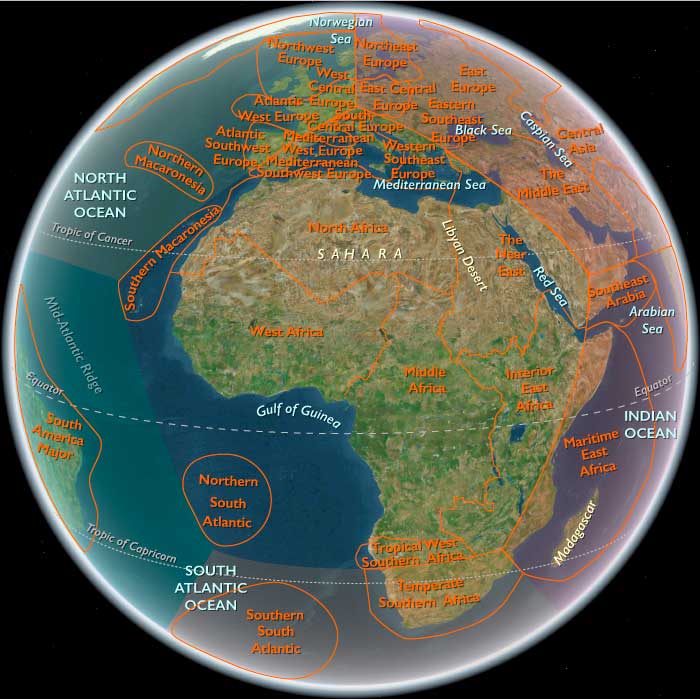
Mediterranean Southwest Europe (513–502 BCE):
Political Intrigue, Sibylline Prophecies, and Shifts in Power
The era 513–502 BCE is characterized by dramatic shifts in political power, legendary prophetic interventions, significant philosophical and cultural developments, and pivotal military events that reshape the political landscape of Mediterranean Southwest Europe.
Sibylline Prophecies and Rome's Destiny
Around 510 BCE, the legendary Sibyl of Cumae reportedly offers Rome’s Etruscan King Lucius Tarquinius Superbus (Tarquin the Arrogant) nine prophetic books detailing Rome’s future. After Tarquin repeatedly declines her price, the Sibyl destroys six of the volumes before finally selling the remaining three at the original price. These Sibylline Books become sacred texts, placed in Rome's Temple of Jupiter on the Capitoline Hill, consulted only in dire emergencies.
Establishment of the Roman Republic
In 510 BCE, following a revolt sparked by the assault on the virtuous matron Lucretia by Tarquinius’ son, Sextus Tarquinius, the Roman monarchy is overthrown. Tarquinius Superbus is expelled by the Roman Senate, which abolishes kingship in favor of a new republican form of government. The Senate establishes two annually elected magistrates, later known as consuls, who share supreme civil and military authority. Thus begins the Roman Republic, marking a critical turning point in Roman and European history.
The Fall of Sybaris
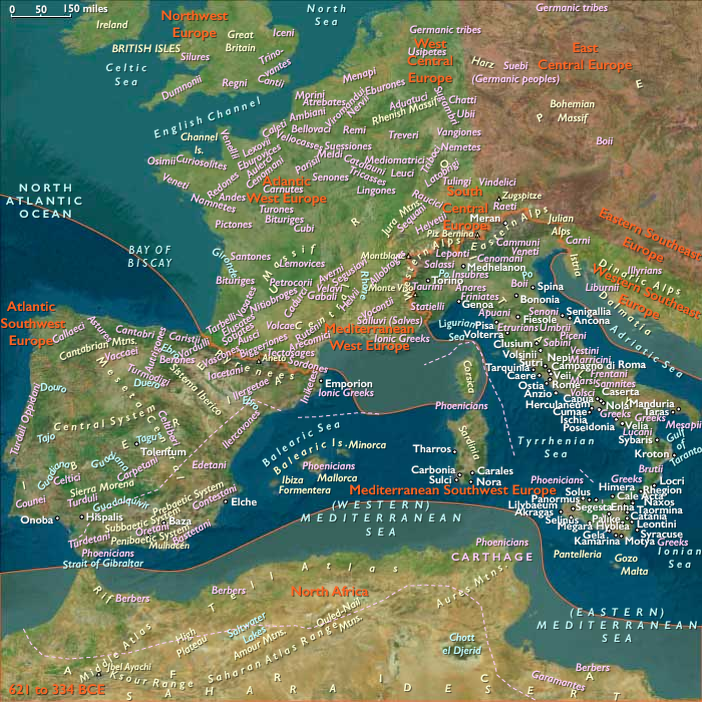
In the same year, the wealthy and influential Greek city of Sybaris in southern Italy is devastated by its neighbor and rival, Croton. Led by the famed athlete Milo of Croton, the Crotoniats decisively defeat the Sybarite army and raze the city to the ground, forever ending Sybaris' dominance and opulence. The surviving Sybarites scatter to smaller settlements, and their city's dramatic fall is widely viewed by Greeks as divine retribution for excessive pride and luxury.
Rise and Fall of Carthaginian Ambitions in Sardinia
Carthaginian ruler Hasdrubal, alongside his brother Hanno, undertakes extensive military campaigns to consolidate control over Sardinia. Their prolonged conflict against resistant Sardinian cities, notably Nora and Sulci, culminates in Hasdrubal’s death in 510 BCE due to battle injuries. His nephew, Hamilcar, subsequently assumes leadership, continuing Carthage’s efforts to dominate Sardinia and secure regional trade routes.
Completion of the Capitoline Temple
In 509 BCE, the monumental Temple of Jupiter Optimus Maximus, initiated by Tarquinius Priscus, is completed on Rome’s Capitoline Hill. Dedicated to Jupiter, Juno, and Minerva, this temple becomes a central religious and political landmark of Roman identity, underscoring the city’s Etruscan cultural influences and growing significance.
Etruscan Invasions and Roman Resistance
Following his expulsion, Tarquinius Superbus allies with the powerful Etruscan leader Lars Porsena of Clusium to attempt to regain Rome. These invasions are famously resisted by Romans such as Horatius Cocles, whose legendary defense of the Sublician Bridge symbolizes Roman bravery and determination. Although Etruscans temporarily capture Rome, Tarquinius ultimately fails to reclaim the throne, dying in exile at Cumae in 503 BCE.
Roman Victory Against the Sabines
In 502 BCE, under the leadership of the patrician Spurius Cassius Vecellinus, Roman forces achieve a decisive victory against the Sabines, further solidifying the young Republic's stability and independence in the region.
Etruscan Artistic Flourishing
Artistically, the era is marked by remarkable Etruscan achievements, exemplified by the celebrated Apollo of Veii, crafted around 510 BCE. This masterpiece reflects the peak of Etruscan sculpture, blending Greek influences with distinctive local traditions.
Legacy of the Era
The years 513–502 BCE represent a pivotal period marked by profound political transformations, legendary acts of courage, cultural flourishing, and shifts in regional power dynamics. The establishment of the Roman Republic, the destruction of Sybaris, and Etruscan cultural achievements collectively shape Mediterranean Southwest Europe's historical trajectory, laying critical foundations for future developments.