Antonio Salieri
Italian classical composer, conductor, and teacher
Years: 1750 - 1825
Antonio Salieri (August 18, 1750 – May 7, 1825) is an Italian classical composer, conductor, and teacher.
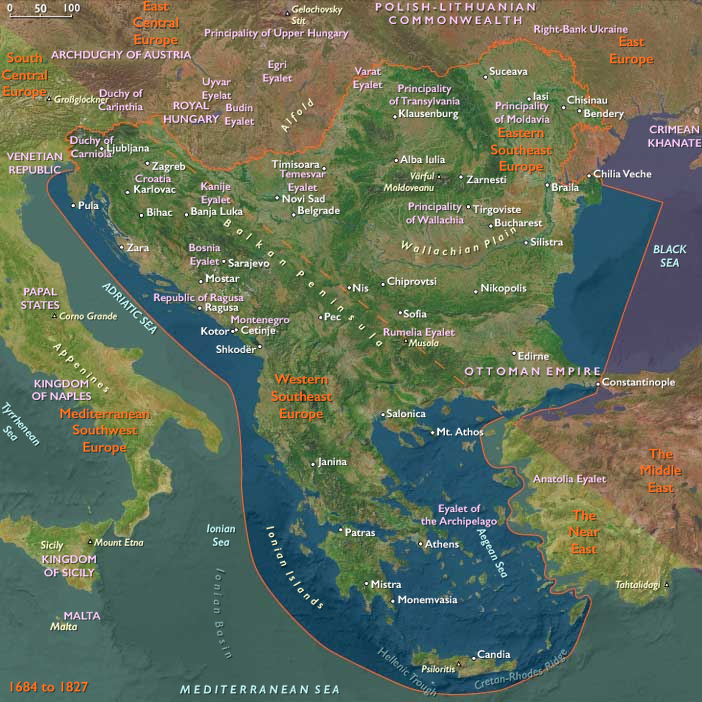
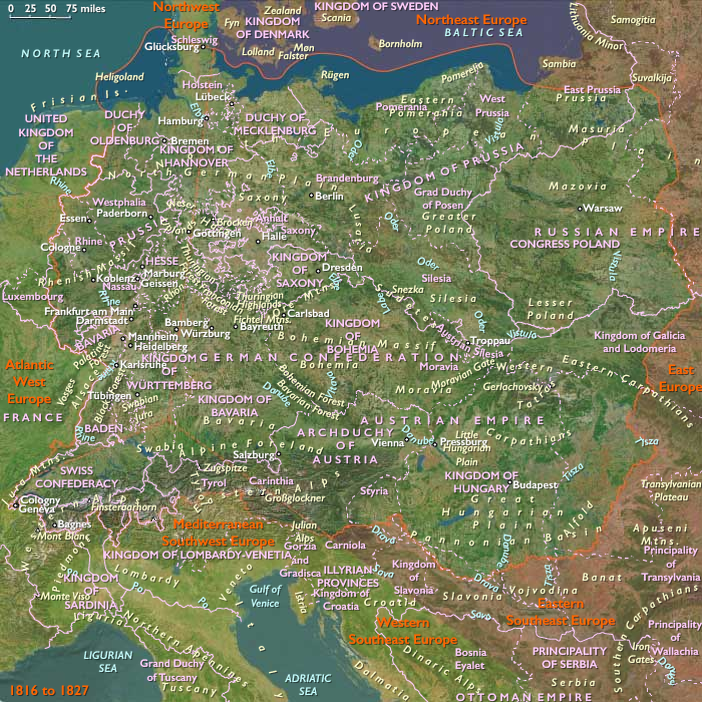
He was born in Legnago, south of Verona, in the Republic of Venice, and spends his adult life and career as a subject of the Habsburg Monarchy.
Salieri is a pivotal figure in the development of late eighteenth-century opera.
As a student of Florian Leopold Gassmann, and a protégé of Gluck, Salieri is a cosmopolitan composer who writes operas in three languages.
Salieri helps to develop and shape many of the features of operatic compositional vocabulary, and his music is a powerful influence on contemporary composers.
Appointed the director of the Italian opera by the Habsburg court, a post he hold sfrom 1774 until 1792, Salieri dominates Italian-language opera in Vienna.
During his career he also spends time writing works for opera houses in Paris, Rome, and Venice, and his dramatic works are widely performed throughout Europe during his lifetime.
As the Austrian imperial Kapellmeister from 1788 to 1824, he is responsible for music at the court chapel and attached school.
Even as his works drop from performance, and he writes no new operas after 1804, he still remains one of the most important and sought-after teachers of his generation, and his influence is felt in every aspect of Vienna's musical life.
Franz Liszt, Franz Schubert, and Ludwig van Beethoven are among the most famous of his pupils.
Salieri's music slowly disappears from the repertoire between 1800 and 1868 and is rarely heard after that period until the revival of his fame in the late twentieth century.
This revival is due to the dramatic and highly fictionalized depiction of Salieri in Peter Shaffer's play Amadeus (1979) and its 1984 film version.
The death of Wolfgang Amadeus Mozart is followed by rumors that he and Salieri had been bitter rivals, and that Salieri had poisoned the younger composer, yet it is likely that they were, at least, mutually respectful peers.