Anthony Ashley Cooper, 1st Earl of Shaftesbury
1st Earl of Shaftesbury
Years: 1621 - 1683
Anthony Ashley Cooper, 1st Earl of Shaftesbury, PC (July 22, 1621 – January 21, 1683), known as Anthony Ashley Cooper from 1621 to 1630, as Sir Anthony Ashley Cooper, 2nd Baronet from 1630 to 1661, and as The Lord Ashley from 1661 to 1672, is a prominent English politician during the Interregnum and during the reign of King Charles II.
A founder of the Whig party, he is also remembered as the patron of John Locke.
Anthony Ashley Cooper was born in 1621 and had lost both of his parents by the age of eight.
He was brought up by Edward Tooker and other guardians named in his father's will, before attending Exeter College, Oxford, and Lincoln's Inn.
After he marries the daughter of Thomas Coventry, 1st Baron Coventry, in 1639, Coventry's patronage secures Cooper a seat in the Short Parliament, although Cooper loses a disputed election to a seat in the Long Parliament.
During the English Civil War, Cooper initially fights as a Royalist, before departing for the Parliamentary side in 1644.
During the English Interregnum, he serves on the English Council of State under Oliver Cromwell, although he opposes Cromwell's attempt to rule without parliament during the Rule of the Major-Generals.
He also opposes the religious extremism of the Fifth Monarchists during Barebone's Parliament.
As a member of the Council of State, Cooper opposes the New Model Army's attempts to rule the country following the downfall of Richard Cromwell, and he encourages Sir George Monck's march on London.
Cooper serves as a member of the Convention Parliament of 1660, which determines to restore the English monarchy, and Cooper is one of twelve members of parliament who travel to the Dutch Republic to invite King Charles II to return to England.
Shortly before his coronation, Charles creates Cooper Lord Ashley, so when the Cavalier Parliament assembles in 1661 he moves from the House of Commons to the House of Lords.
He serves as Chancellor of the Exchequer, 1661–1672.
During the ministry of the Earl of Clarendon, Shaftesbury opposes the imposition of the Clarendon Code and supports Charles II's Declaration of Indulgence (1662), which the king is ultimately forced to withdraw.
After the fall of Clarendon, Ashley is one of the members of the so-called Cabal Ministry, serving as Lord Chancellor 1672–1673.
He is created Earl of Shaftesbury in 1672.
During this period, John Locke enters Ashley's household.
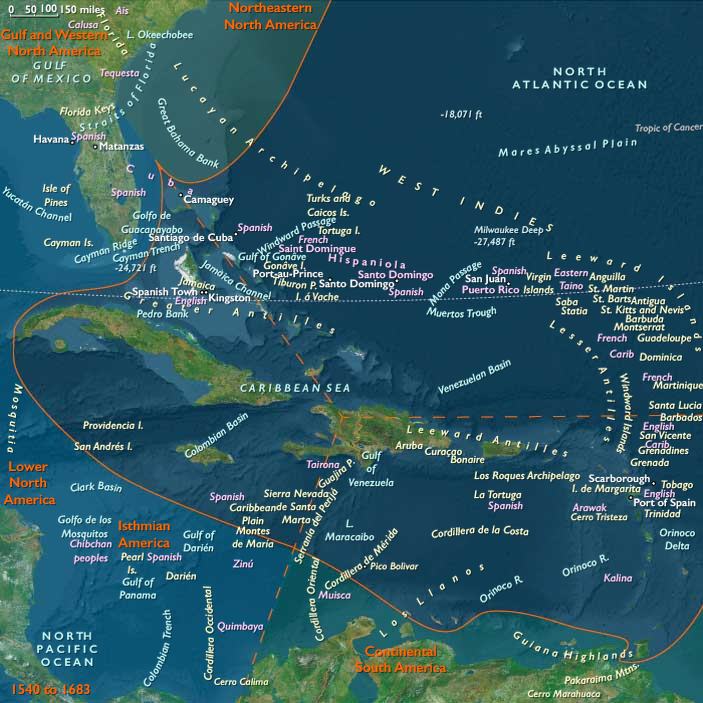
Ashley takes an interest in colonial ventures and is one of the Lords Proprietor of the Province of Carolina; in 1669, Ashley and Locke collaborate in writing the Fundamental Constitutions of Carolina
By 1673, Ashley is worried that the heir to the throne, James, Duke of York, is secretly a Roman Catholic.]
After the Cabal Ministry ends, Shaftesbury becomes a leader of the opposition to the policies pursued by Thomas Osborne, Earl of Danby.
Danby favours strict interpretation of the penal laws, enforcing mandatory membership of the Church of England.
Shaftesbury, who sympathizes with the Protestant Nonconformists, briefly agrees to work with the Duke of York, who opposes enforcing the penal laws against Roman Catholic recusants.
By 1675, however, Shaftesbury is convinced that Danby, assisted by the bishops of the Church of England, is determined to transform England into an absolute monarchy, and he soon comes to see the Duke of York's own religion as linked to this issue.
Opposed to the growth of "popery and arbitrary government", throughout the latter half of the 1670s Shaftesbury argues in favor of frequent parliaments (spending time in the Tower of London, 1677–1678 for espousing this view) and argues that the nation needs protection from a potential Roman Catholic successor to King Charles II.
During the Exclusion Crisis, Shaftesbury is an outspoken supporter of the Exclusion Bill, although he also endorses other proposals that would have prevented the Duke of York from becoming king, such as Charles II's remarrying a Protestant princess and producing a Protestant heir to the throne, or legitimizing Charles II's illegitimate Protestant son the Duke of Monmouth.
The Whig party is born during the Exclusion Crisis, and Shaftesbury is one of the party's most prominent leaders.
In 1681, during the Tory reaction following the failure of the Exclusion Bill, Shaftesbury is arrested for high treason, although the prosecution is dropped several months later.
In 1682, after the Tories have gained the ability to pack London juries with their supporters Shaftesbury, fearing a second prosecution, flees the country.
Upon arriving in Amsterdam, he falls ill, and soon dies, in January 1683.