Eastern Southeast Europe (1336–1347 CE): Byzantine Civil War and Societal Polarization
Settlement and Migration Patterns
Continued Territorial Fragmentation
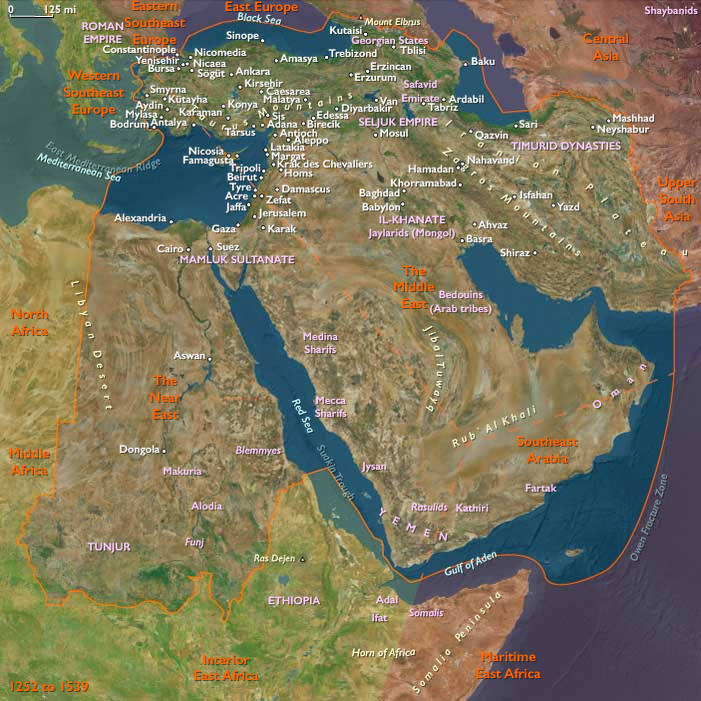
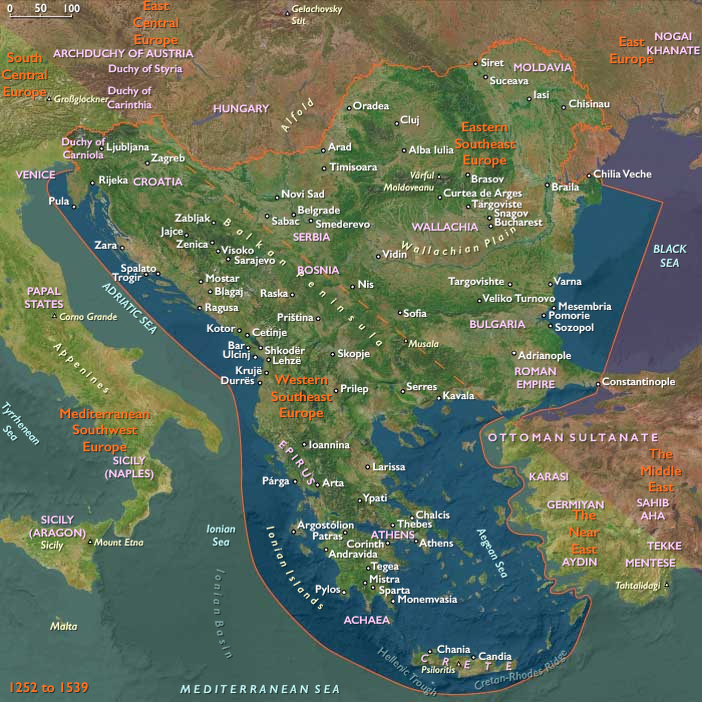
Between 1336 and 1347, Eastern Southeast Europe faced continued political instability, exacerbated by internal Byzantine conflicts. The Byzantine Empire remained territorially fragmented, significantly weakened by the ongoing civil war known as the Second Palaiologan Civil War (1341–1347). This turmoil undermined urban security and further strained rural settlements.
Political Dynamics and Regional Rivalries
Second Palaiologan Civil War
The death of Andronikos III Palaiologos in 1341 triggered a destructive civil war over the guardianship of his nine-year-old heir, John V Palaiologos. The conflict pitted the emperor's chief minister, John VI Kantakouzenos, representing aristocratic interests, against a regency faction led by Empress-Dowager Anna of Savoy, Patriarch John XIV Kalekas, and the powerful megas doux Alexios Apokaukos, supported primarily by the lower and middle classes. This deep polarization of Byzantine society along class lines significantly weakened the state, both politically and militarily.
Rising External Threats
Exploiting Byzantine internal conflicts, the Ottoman Turks continued their incursions into Thrace and the broader Balkans, steadily extending their territorial influence. Concurrently, the Bulgarian and Serbian states also took advantage of Byzantine disarray, solidifying their regional power.
Economic and Technological Developments
Economic Decline amid Warfare
The ongoing civil war severely disrupted Byzantine economic life, significantly reducing trade, agricultural productivity, and urban economic stability. Commercial activities, already diminished by earlier conflicts and territorial losses, continued declining under the strain of sustained military and political turmoil.
Defensive Adaptations and Fortifications
Byzantine defensive infrastructure saw urgent efforts to maintain and strengthen city walls, fortresses, and regional garrisons, reflecting heightened security concerns due to both internal unrest and external Ottoman threats.
Cultural and Artistic Developments
Cultural Survival and Decline
Although Byzantine culture maintained its sophistication—particularly evident in religious art and literature—the economic and political crises severely limited new artistic projects. Patronage was reduced, and cultural institutions faced resource shortages and reduced support, though monastic centers continued preserving religious and cultural traditions.
Class Tensions Reflected in Culture
The deep societal divisions revealed by the civil war were increasingly reflected in Byzantine cultural expressions, with tensions between aristocratic traditions and popular sentiment becoming more pronounced in art, literature, and public discourse.
Social and Religious Developments
Societal Polarization
The civil war sharply polarized Byzantine society, creating lasting social divisions between the aristocracy and lower social classes. This division was particularly significant, as it marked one of the first instances in Byzantine history where class interests openly defined political alliances and conflicts.
Ecclesiastical Influence and Conflict
The active involvement of ecclesiastical figures like Patriarch John XIV Kalekas in the civil conflict underscored the Byzantine Church’s influential role in politics. However, this involvement also deepened religious divisions and contributed to ongoing factionalism within the Orthodox hierarchy.
Long-Term Consequences and Historical Significance
The period from 1336 to 1347 CE marked a critical turning point characterized by deep internal conflict, societal polarization, and accelerated external threats from the Ottomans. The severe weakening of Byzantine political structures during this era set the stage for future Ottoman expansion, significantly influencing the region's subsequent historical trajectory.