Mediterranean Southwest Europe (1864–1875 CE): Turbulent Transitions and National Consolidations
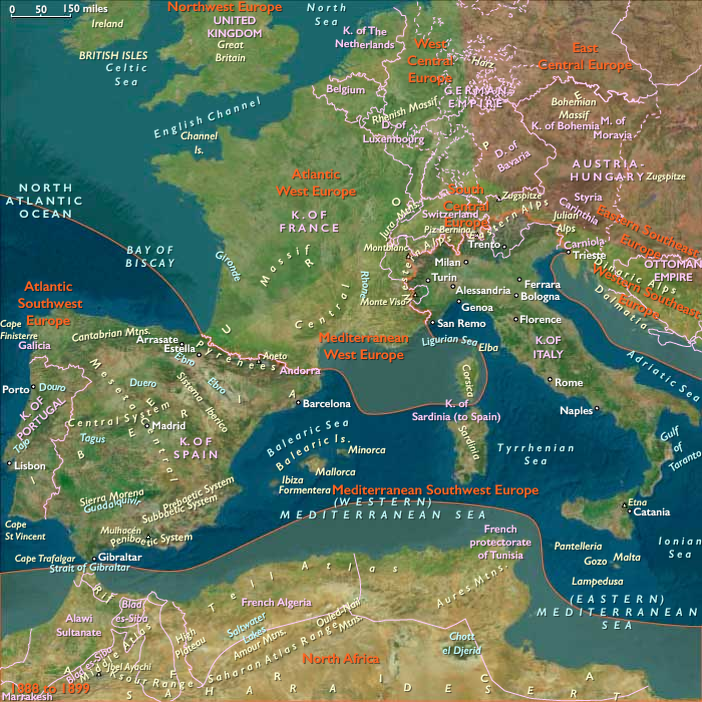
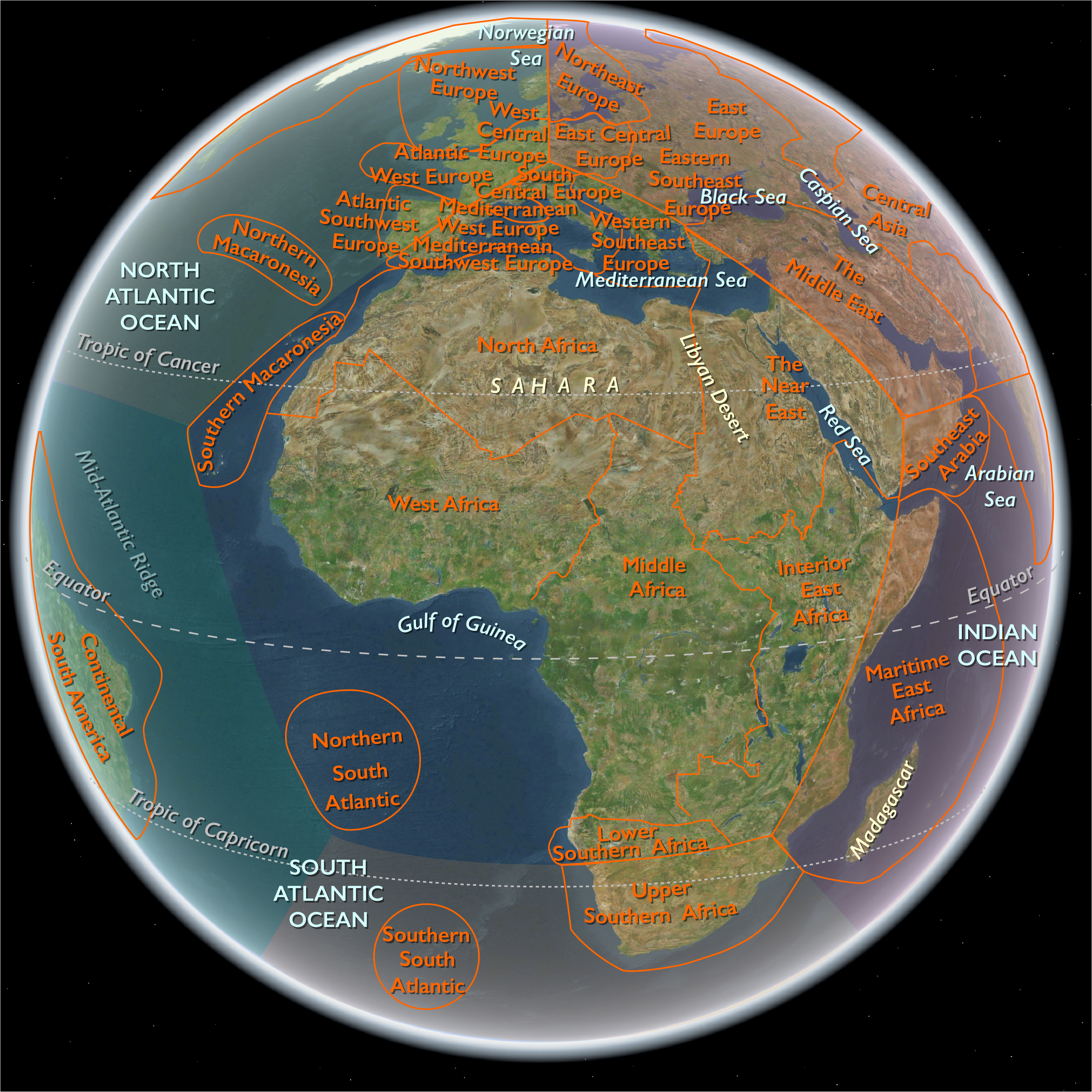
The era from 1864 to 1875 CE across Mediterranean Southwest Europe—including the Italian Peninsula, southern and eastern Spain, southern Portugal, Andorra, the Balearic Islands, Sicily, Sardinia, and Malta—is characterized by significant political realignments, national consolidations, cultural developments, and socio-political upheaval.
Completion of Italian Unification and the "Roman Question"
Italian unification nears completion during this period, prominently marked by the final annexation of Rome in 1870. When France withdraws its protective garrisons from Rome amidst the Franco-Prussian War, Piedmont-led Italian forces occupy the city after minimal resistance by papal troops. Pope Pius IX retreats to the Vatican, becoming a self-proclaimed "prisoner in the Vatican." Although the newly established Italian government guarantees papal sovereignty within Vatican walls, the pope refuses to acknowledge Italy’s authority over Rome. The "Roman Question"—the unresolved dispute over temporal power and church-state relations—persists as a significant political issue until 1929.
Following Rome’s annexation, Victor Emmanuel II moves Italy’s capital permanently from Florence to Rome in 1871, symbolically concluding the Risorgimento. The former papal residence, the Quirinal Palace, becomes the official royal palace for Italy’s monarchy.
Spain: The Revolution of 1868 and the Bourbon Restoration
Spain endures dramatic political shifts beginning with the Revolution of 1868, leading to the abdication of Queen Isabella II. Instability follows as various forms of governance rapidly succeed each other:
-
A brief period of Liberal Monarchy (1870–1873) under Amadeo I of Savoy, who faces isolation and abdicates after his short, ineffective reign.
-
The tumultuous First Spanish Republic (1873–1874) attempts federal decentralization but collapses quickly amid regional rebellions and internal chaos.
-
A military intervention facilitates the Restoration of the Bourbon monarchy in 1875 under Alfonso XII, who, trained at Britain’s Sandhurst Military Academy, promises stability, proclaiming himself a "Spaniard, Catholic, and Liberal."
The political instability highlights divisions between Moderate liberals advocating constitutional monarchy and Progressives favoring broader democratic reforms, laying the foundation for enduring tensions within Spanish politics.
Andorra's Reforms and Economic Progress
In 1866, Andorra undergoes significant political reform led by the influential syndic Guillem d'Areny-Plandolit. The aristocratic oligarchy is replaced by the Council General, which modernizes governance with broader electoral representation. This New Reform (Nova Reforma) ratified by Andorra’s Co-Princes strengthens national identity and economic modernization, ushering in infrastructure projects, hotels, telegraph lines, and nascent tourism, setting the stage for future prosperity.
Malta: British Colonial Stability
Under British rule since 1814, Malta experiences ongoing infrastructural developments, reinforcing its strategic role in Mediterranean geopolitics. Although colonial tensions occasionally arise, Malta’s economy continues to stabilize and flourish, primarily driven by its maritime and naval significance to British imperial interests.
Cultural Continuity and Romanticism
Culturally, Romantic influences remain strong, particularly in Italy, where Giuseppe Verdi’s operas continue to embody nationalistic fervor and cultural pride. Romantic ideals permeate artistic expression across the region, emphasizing emotional intensity, historical themes, and national identities, thereby enriching Mediterranean Southwest Europe's cultural landscape.
Conclusion: Political Realignments and National Identity
The era from 1864 to 1875 CE signifies critical transitions in Mediterranean Southwest Europe, marked by Italy’s final steps towards unification, Spain’s turbulent experimentation with governance, Andorra’s political reforms, and Malta’s strategic stabilization. These developments reshape the region’s political landscape and national identities, setting the stage for subsequent historical dynamics