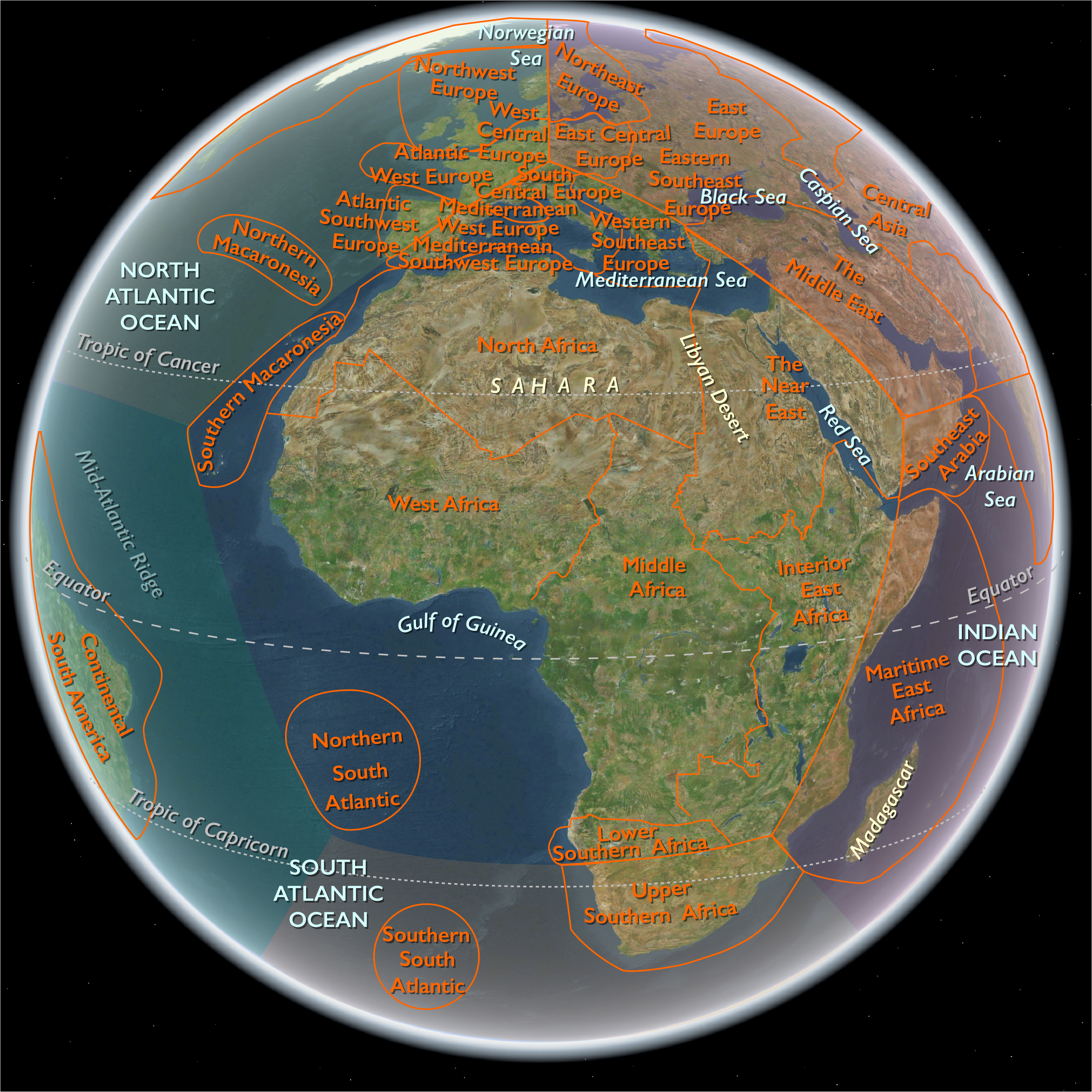
Mediterranean Southwest Europe (1432–1443 CE): Artistic Achievements, Maritime Expansion, and Political Dynamics
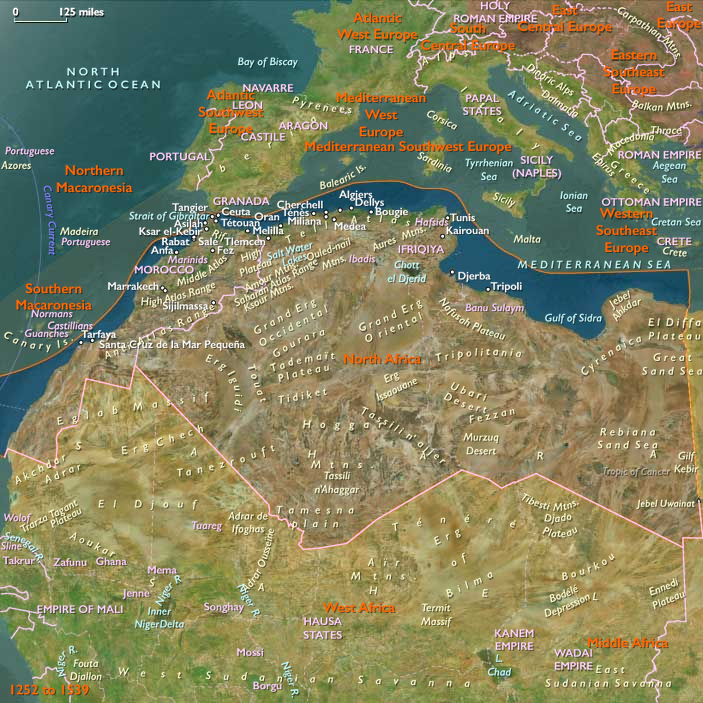
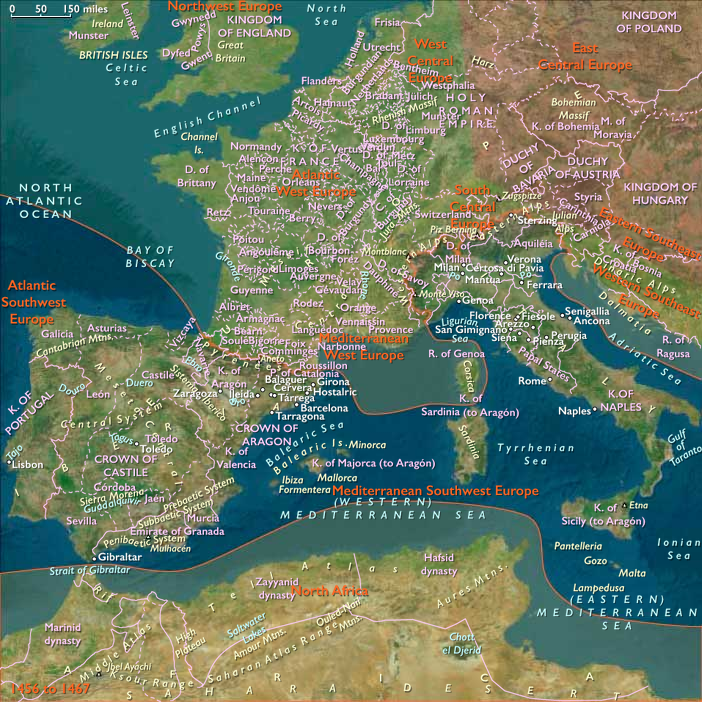
The era 1432–1443 CE in Mediterranean Southwest Europe witnesses continued artistic innovation, significant maritime and commercial expansions, and evolving political dynamics across Italy and the Iberian Peninsula.
Artistic Developments: Florentine Masters
During this period, the city of Florence remains at the forefront of Renaissance artistic achievement. Filippo Brunelleschi continues work on the monumental dome of the Florence Cathedral (Santa Maria del Fiore), an unprecedented engineering accomplishment symbolic of Renaissance ingenuity. The dome, completed structurally in 1436, serves as a defining landmark of Renaissance Florence.
In parallel, Donatello continues to influence sculpture profoundly, undertaking various notable commissions, including the strikingly emotional and realistic marble reliefs for the pulpits of the Basilica of San Lorenzo, which display remarkable depth and psychological complexity.
Maritime and Commercial Expansion
This era sees significant maritime and economic activity throughout the region. Italian city-states such as Genoa, Venice, and Florence actively expand their Mediterranean and Atlantic trade networks, leveraging their merchant fleets and banking prowess to dominate international commerce. Their economic success supports further cultural patronage, fueling artistic and intellectual growth.
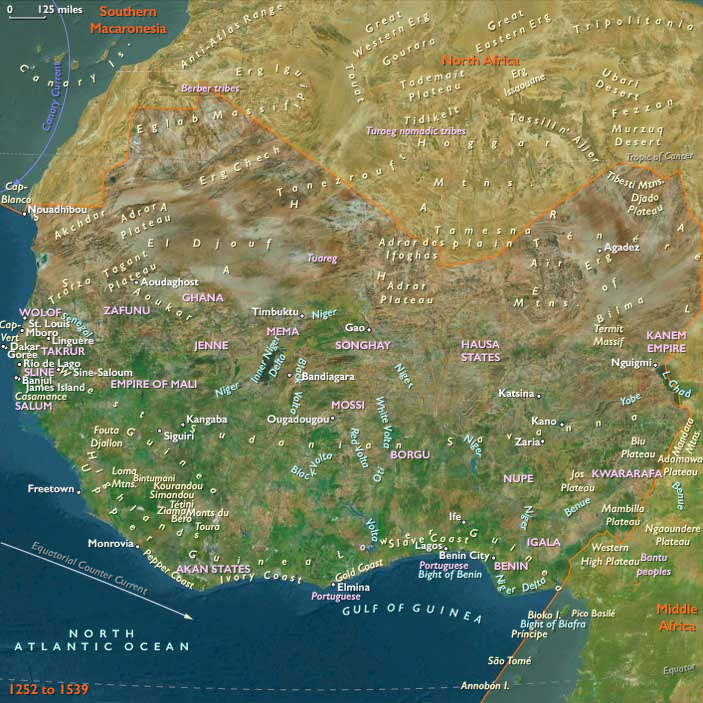
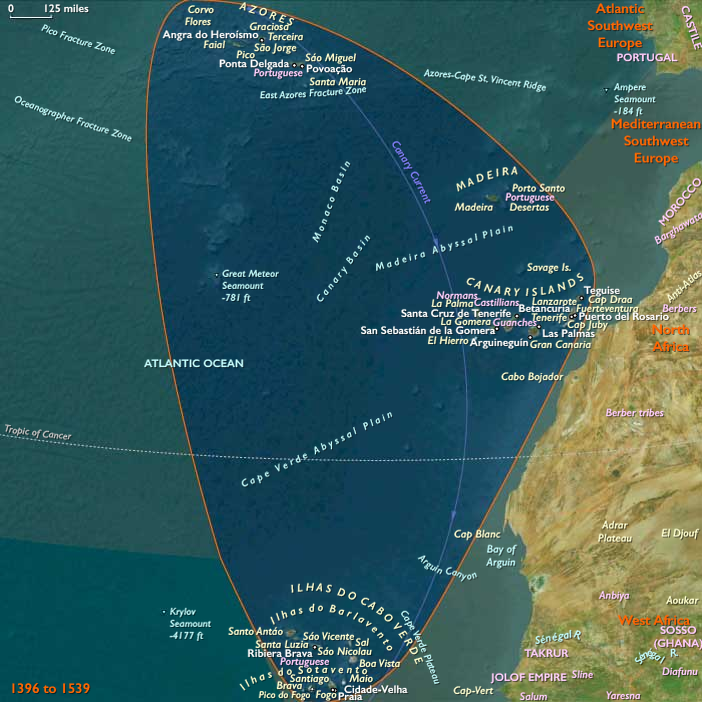
In Iberia, Portugal under Prince Henry the Navigator accelerates maritime exploration along the West African coast, significantly influencing future trade and exploration patterns. These expeditions expand European geographical knowledge and economic horizons, laying critical groundwork for the forthcoming Age of Exploration.
Political Developments and Regional Stability
Political landscapes shift as various powers consolidate their territories and influence. The Republic of Venice continues its territorial expansion, notably on the mainland (terraferma), fortifying its economic base. In contrast, the Kingdom of Naples faces internal and external pressures, experiencing political turbulence and dynastic disputes that destabilize southern Italy.
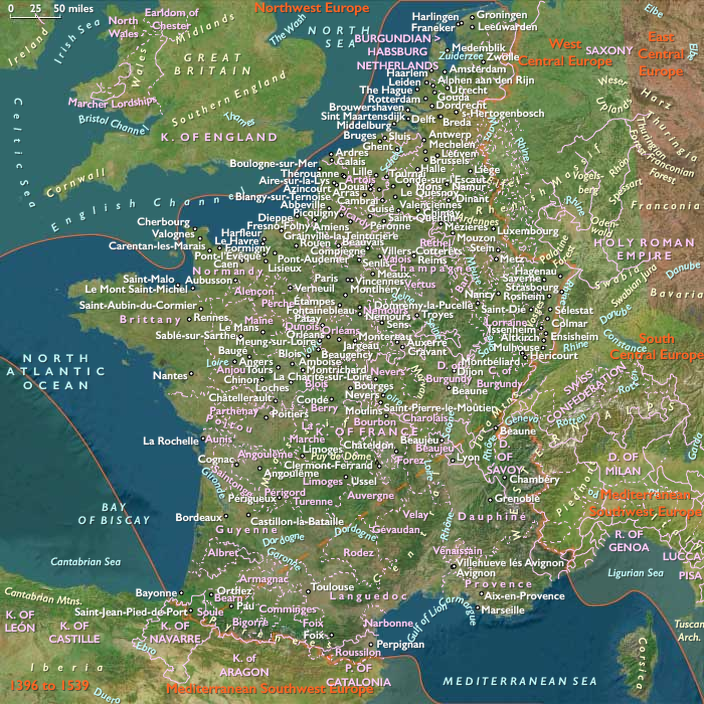
On the Iberian Peninsula, Castile and Aragon strengthen internal administrative structures and reaffirm their political cohesion. The Crown of Aragon, under Alfonso V, further deepens involvement in Italian politics, notably intensifying control over territories like Sicily and Naples, thereby reinforcing the interconnectedness of Mediterranean political affairs.
Cultural and Intellectual Flourishing
The intellectual environment remains vibrant, with Humanism continuing to thrive through the works of scholars who revisit and reinterpret classical texts. Literary and philosophical output flourishes, influencing not only artistic developments but also governance and education throughout the region.
Legacy of the Era
The era 1432–1443 CE is characterized by ongoing artistic innovation, significant maritime exploration and commercial growth, evolving political dynamics, and vibrant intellectual activity. These developments collectively shape Mediterranean Southwest Europe’s cultural identity, economic prosperity, and political structures, leaving a lasting legacy for future generations