Alexandre Dumas
French writer
Years: 1802 - 1870
Alexandre Dumas, born Dumas Davy de la Pailleterie 24 July 1802 – 5 December 1870), also known as Alexandre Dumas, père, is a French writer, best known for his historical novels of high adventure.
Translated into nearly 100 languages, these have made him one of the most widely read French authors in the world.
Many of his novels, including The Count of Monte Cristo, The Three Musketeers, Twenty Years After, and The Vicomte de Bragelonne: Ten Years Later are originally published as serials.
His novels have been adapted since the early twentieth century for nearly 200 films.
Dumas' last novel, The Knight of Sainte-Hermine, unfinished at his death, is completed by a scholar and published in 2005, becoming a bestseller.
It is published in English in 2008 as The Last Cavalier.
Prolific in several genres, Dumas begina his career by writing plays, which are successfully produced from the first.
He also writes numerous magazine articles and travel books; his published works total 100,000 pages.
In the 1840s, Dumas founds the Théâtre Historique in Paris.
Born and raised in poverty, as his father died when he was four, Dumas faces discrimination because of his ethnic African ancestry.
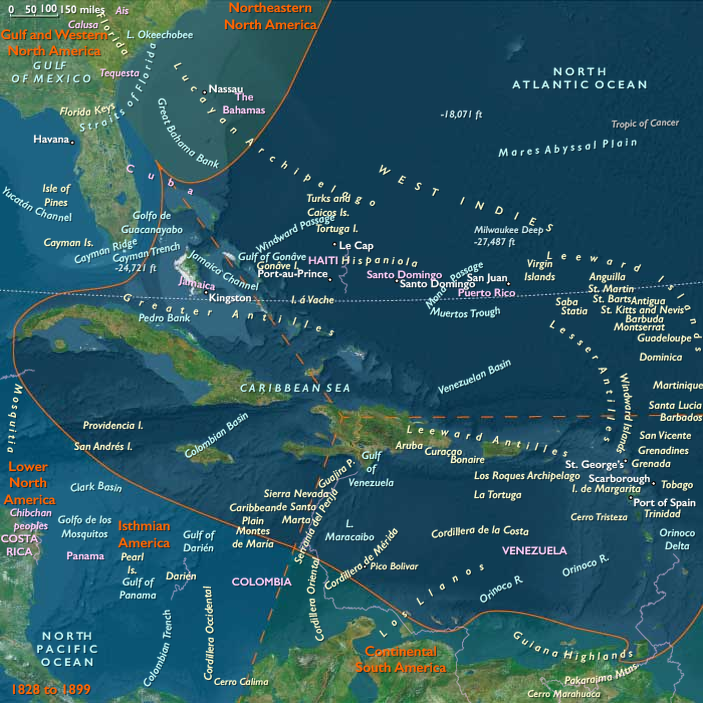
Through his father, who was born in Saint-Domingue, he is the grandson of a French nobleman and a black slave.
His mother is French.
As a young man, Dumas' aristocratic rank helps him acquire work with Louis-Philippe, Duke of Orléans.
With the election of Louis-Napoléon Bonaparte in 1851, Dumas falls from favor, and leaves France for Belgium.
After several years, he moves on to Russia for a few years, before going to Italy.
In 1861, he founds and publishes the newspaper, L' Indipendente, which supports the Italian unification effort.
In 1864, he returns to Paris.
Married, Dumas also has numerous affairs, said to total 40.
He is known to have at least four illegitimate or "natural" children, including a boy named Alexandre Dumas after him.
This son becomes a successful novelist and playwright, andis known as Alexandre Dumas, fils (son), while the elder Dumas becomes conventionally known in French as Alexandre Dumas, père (father).
Among his affairs, in 1866 Dumas has one with Adah Isaacs Menken, an American actress then at the height of her career and less than half his age.
Twentieth-century scholars have found that Dumas fathered another three natural children.