Alexander von Humboldt
German geographer, naturalist and explorer
Years: 1769 - 1859
Friedrich Wilhelm Heinrich Alexander Freiherr von Humboldt (September 14, 1769 – May 6, 1859) is a German geographer, naturalist and explorer, and the younger brother of the Prussian minister, philosopher and linguist Wilhelm von Humboldt (1767–1835).
Humboldt's quantitative work on botanical geography lays the foundation for the field of biogeography.
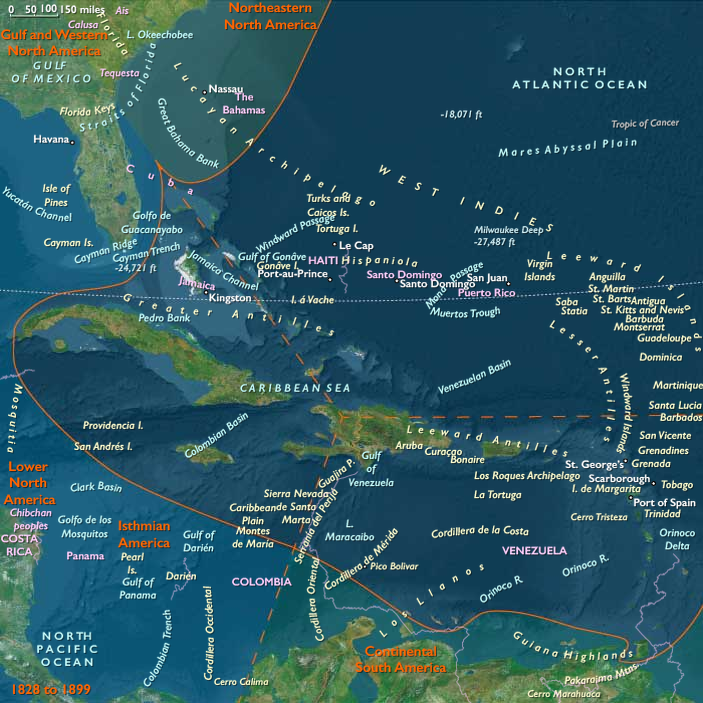
Between 1799 and 1804, Humboldt travels extensively in Latin America, exploring and describing it for the first time in a manner generally considered to be a modern scientific point of view.
His description of the journey is written up and published in an enormous set of volumes over 21 years.
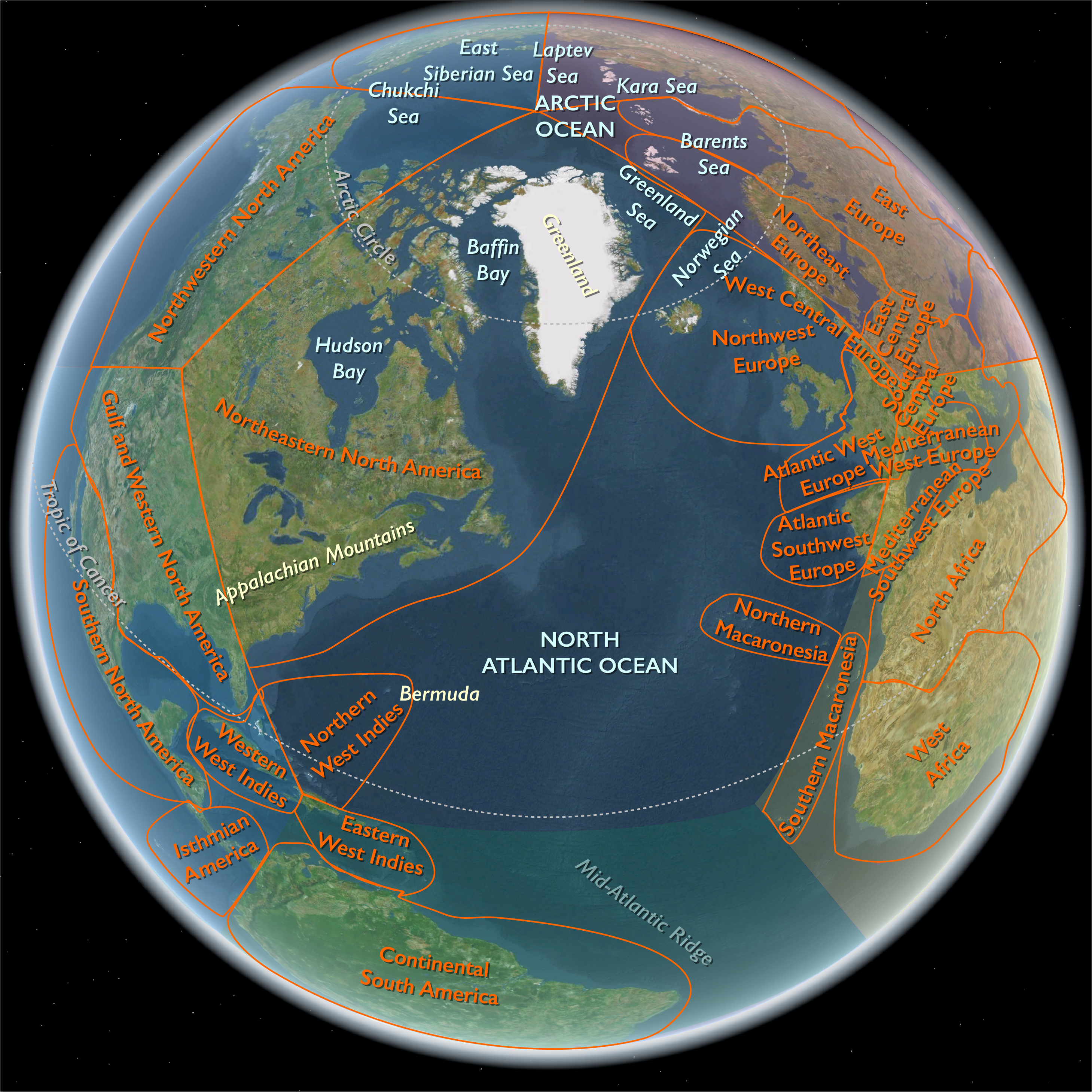
He is one of the first to propose that the lands bordering the Atlantic Ocean were once joined (South America and Africa in particular).
Later, his five-volume work, Kosmos (1845), attempts to unify the various branches of scientific knowledge.
Humboldt supports and works with other scientists, including Joseph-Louis Gay-Lussac, Justus von Liebig, Louis Agassiz, Matthew Fontaine Maury and, most notably, Aimé Bonpland, with whom he conducts much of his scientific exploration.