Alcibiades
Greek politician, orator, and general
Years: 450BCE - 404BCE
Alcibiades, son of Clinias, from the deme of Scambonidae (c. 450–404 BCE), is a prominent Athenian statesman, orator, and general.
He is the last famous member of his mother's aristocratic family, the Alcmaeonidae, which falls from prominence after the Peloponnesian War.
He plays a major role in the second half of that conflict as a strategic advisor, military commander, and politician.
During the course of the Peloponnesian War, Alcibiades changes his political allegiance on several occasions.
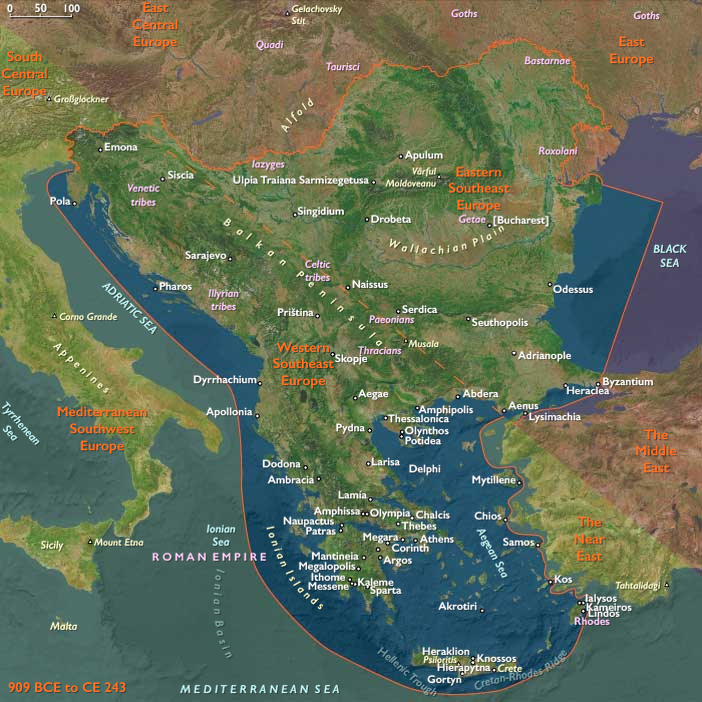
In his native Athens in the early 410s BCE, he advocates an aggressive foreign policy, and is a prominent proponent of the Sicilian Expedition, but flees to Sparta after his political enemies bring charges of sacrilege against him.
In Sparta, he serves as a strategic adviser, proposing or supervising several major campaigns against Athens.
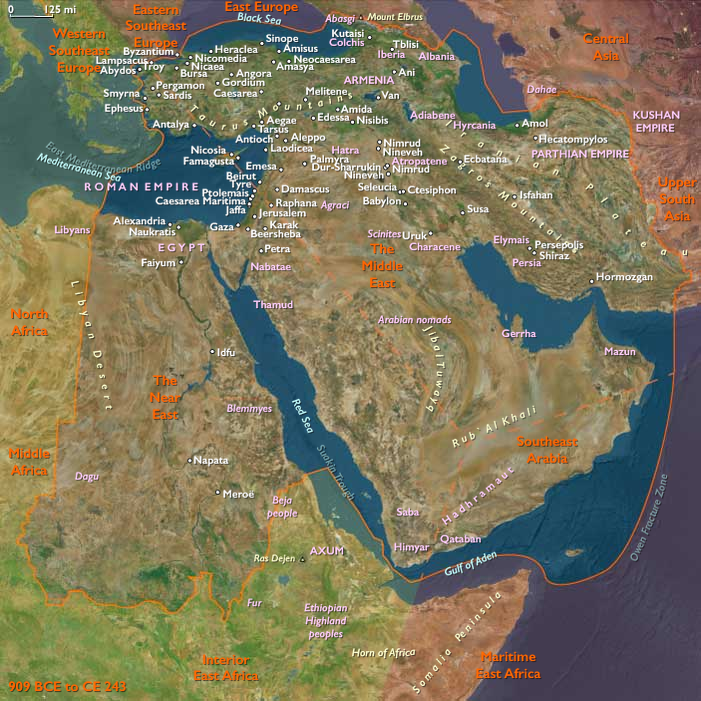
In Sparta too, however, Alcibiades soon madkes powerful enemies and is forced to defect to Persia.
There he serves as an adviser to the satrap Tissaphernes until his Athenian political allies bring about his recall.
He then serves as an Athenian general (strategos) for several years, but his enemies eventually succeed in exiling him a second time.
The Sicilian Expedition was Alcibiades' idea, and scholars have argued that, had that expedition been under Alcibiades' command instead of Nicias', the expedition might not have met its eventual disastrous fate.
In the years that he served Sparta, Alcibiades played a significant role in Athens' undoing; the capture of Decelea and the revolts of several critical Athenian subjects occurred either at his suggestion or under his supervision.
Once restored to his native city, however, he played a crucial role in a string of Athenian victories that eventually brought Sparta to seek a peace with Athens.
He favored unconventional tactics, frequently winning cities over by treachery or negotiation rather than by siege.
Alcibiades' military and political talents frequently proved valuable to whichever state currently held his allegiance, but his propensity for making powerful enemies ensured that he never remained in one place for long; and, by the end of the war he had helped rekindle in the early 410s, his days of political relevance were a bygone memory.