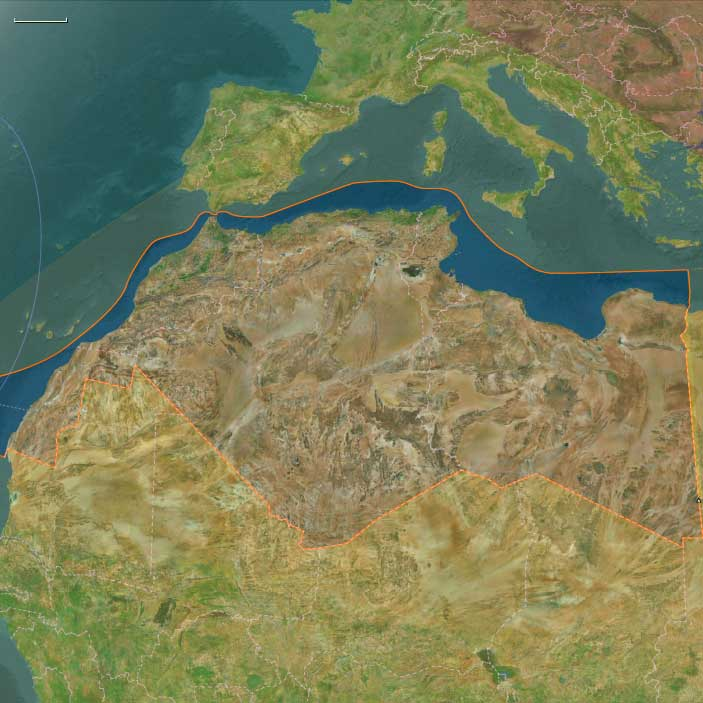
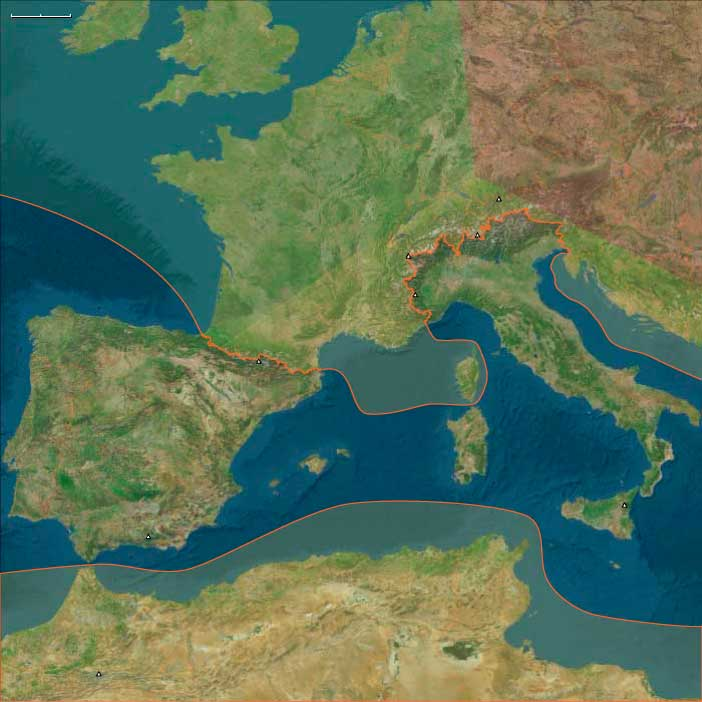
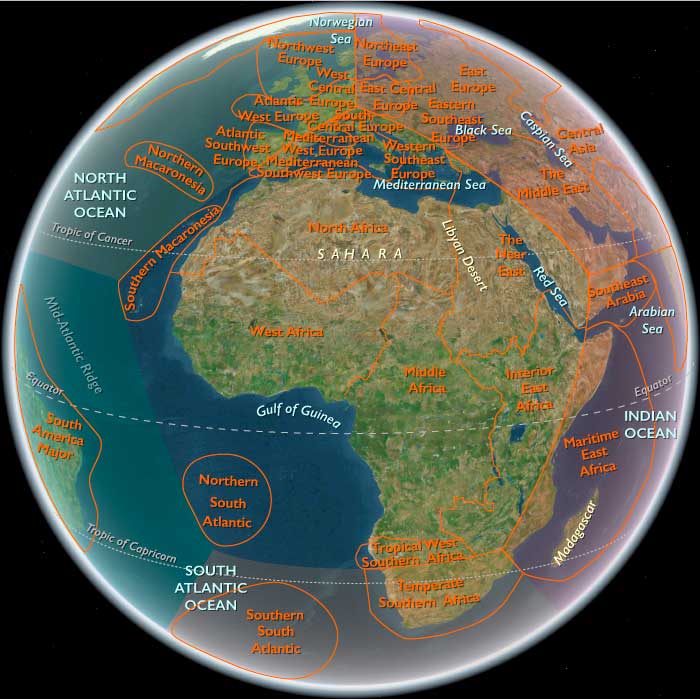
North Africa (1960–1971 CE)
Independence, Modernization, and Political Change
Between 1960 and 1971, North Africa enters a critical phase marked by the consolidation of independence, nation-building, economic modernization, and political transformations. Newly independent nations grapple with the challenges of sovereignty, socio-economic development, and evolving domestic and international relations.
Algeria: Triumph of Independence and Building the Nation
Algeria's brutal war of independence reaches its climax, ultimately compelling France to negotiate. Following years of violent struggle, the Évian Accords are signed in March 1962, bringing formal peace. Algeria gains full independence on July 5, 1962, marking a definitive end to 132 years of colonial rule.
Ahmed Ben Bella becomes Algeria's first president, launching ambitious socialist policies aimed at transforming the economy through land redistribution, industrialization, and nationalization of major industries. However, internal political rivalries culminate in a bloodless military coup led by Colonel Houari Boumédiène in 1965. Boumédiène's regime stabilizes political control, intensifies socialist economic reforms, and strongly promotes Arab nationalism and Pan-African solidarity.
Tunisia: Consolidation of Bourguiba's Modernizing Vision
Under President Habib Bourguiba, Tunisia continues its trajectory of modernization and secularization. Bourguiba advances significant educational reforms, women's rights, and infrastructural development, firmly entrenching his progressive agenda. However, political dissent is increasingly suppressed, as the Neo Destour Party transitions into a dominant one-party system by the early 1960s.
Economic growth is uneven, prompting social tensions that occasionally erupt into unrest. Nonetheless, Tunisia maintains relative political stability and positive international relations, leveraging its moderate stance during the Cold War to secure economic assistance from Western countries.
Libya: Oil Wealth, Monarchy’s End, and Gaddafi’s Revolution
In Libya, the discovery of vast oil reserves radically transforms the economy, bringing substantial wealth and enabling major social investments in healthcare, education, and infrastructure during the early 1960s. However, widespread corruption, inequality, and dissatisfaction with the monarchy’s policies breed popular discontent.
This discontent culminates in the 1969 revolution, when Colonel Muammar Gaddafi leads a bloodless military coup that overthrows King Idris. Establishing the Libyan Arab Republic, Gaddafi introduces a revolutionary ideology combining Arab nationalism, socialism, and Islamic principles. He embarks on a campaign to reduce foreign influence, expel foreign military bases, nationalize oil companies, and promote regional and pan-Arab unity.
Morocco: Monarchy and Political Stabilization
In Morocco, King Hassan II ascends the throne following the death of Mohammed V in 1961. Hassan II consolidates royal authority, maintaining tight political control and suppressing opposition movements while implementing cautious economic modernization.
Morocco’s political landscape is shaped by regional conflicts, notably tensions over the status of the Western Sahara. Hassan II balances alliances between the West and Arab nations, positioning Morocco strategically on the international stage, even as domestic tensions periodically flare due to demands for greater democratization.
Regional Dynamics and Socioeconomic Progress
Throughout this era, North Africa experiences significant but uneven economic and social progress. Rapid industrialization, educational expansion, and infrastructural improvements enhance living standards but fail to eradicate widespread poverty, unemployment, and social disparities.
Politically, authoritarianism predominates, with governments in Algeria, Tunisia, Libya, and Morocco centralizing control and suppressing political dissent. Nonetheless, the region as a whole becomes increasingly prominent in international affairs, with leaders asserting greater autonomy from former colonial powers and participating actively in movements such as non-alignment and pan-Arabism.
By 1971, North Africa emerges significantly transformed, possessing clearer national identities, stronger state institutions, and increased international stature, yet facing ongoing internal political challenges and economic disparities that continue to shape its development trajectory.