Francesco Crispi, a cabinet minister of Agostino Depretis and former Garibaldi republican, becomes Prime Minister when Depretis is finally pushed out of office in 1887 after years of political decline.
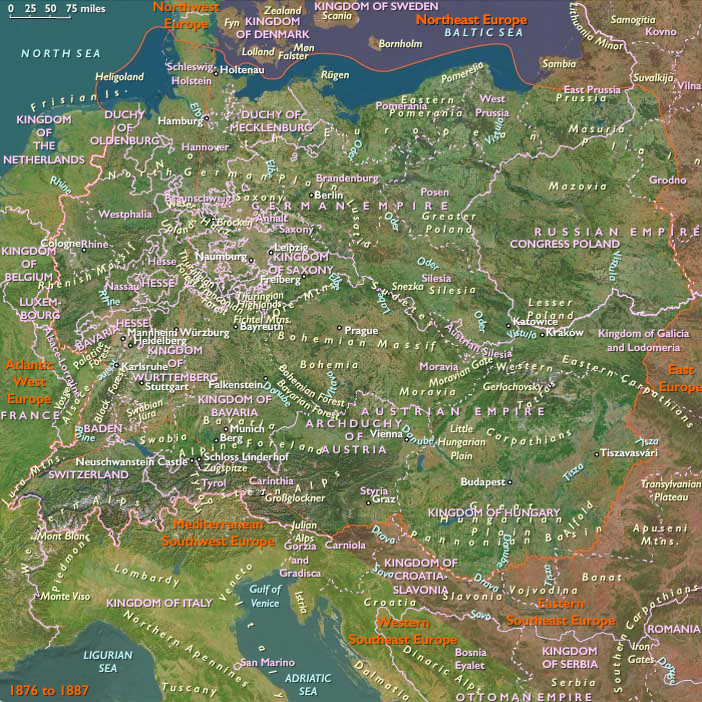
Crispi's major concerns before and during his reign is the protection of Italy from their dangerous neighbor Austria-Hungary.
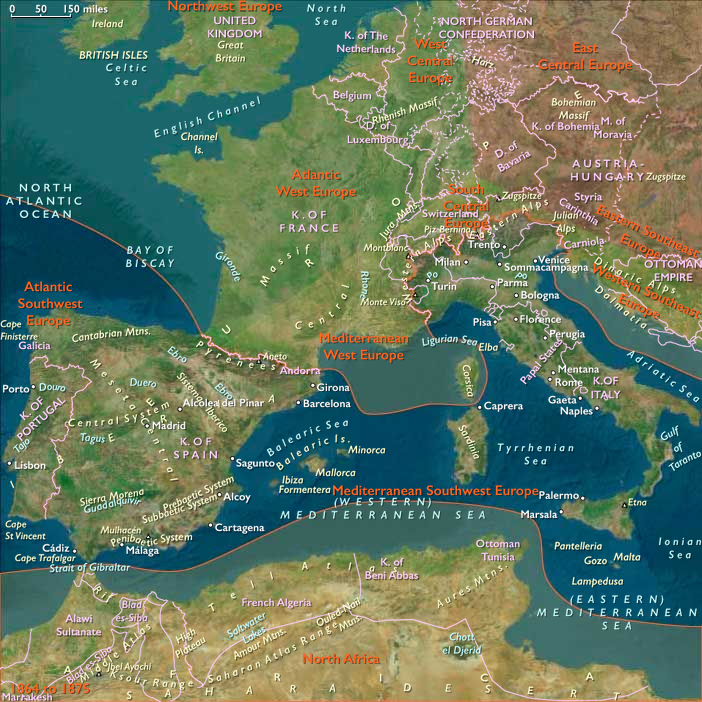
To challenge the threat, Crispi works to build Italy as a great world power through increased military expenditures, as and advocate of expansionism, and trying to win Germany's favor by joining the Triple Alliance, which includes both Germany and Austria-Hungary in 1882 and which will remain officially intact until 1915.
While helping Italy develop strategically, he continues trasformismo and authoritarian rule, once even suggesting the use of martial law to ban opposition parties.
The overwhelming attention paid to foreign policy alienates the agricultural community in Italy, which has been in decline since 1873.
Both radical and conservative forces in the Italian parliament had demanded that the government investigate how to improve agriculture in Italy.
The investigation, which had started in 1877 and was released eight years later, showed that agriculture was not improving, that landowners were swallowing up revenue from their lands and contributing almost nothing to the development of the land.
There was aggravation by lower class Italians to the breakup of communal lands, which benefits only landlords.
Most of the workers on the agricultural lands are not peasants but short-term laborers who at best are employed for one year.
Peasants without stable income are forced to live off meager food supplies, disease is spreading rapidly, and plagues are reported, including a major cholera epidemic which kills at least 55,000 people.
The Italian government cannot deal with the situation effectively due to the mass overspending of the Depretis government, which has left Italy in huge debt.
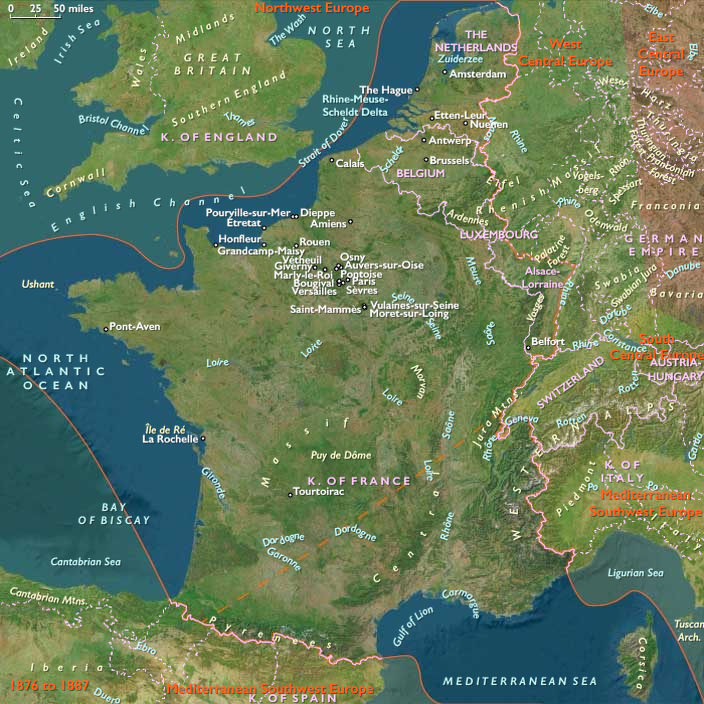
Italy has also suffered economically because of overproduction of grapes for their vineyards in the 1870s and 1880s at a time when France's vineyard industry is suffering from phylloxera, a vine disease caused by insects.