Afonso de Albuquerque
Duke of Goa
Years: 1453 - 1515
Afonso de Albuquerque, Duke of Goa (c. 1453 – December 16, 1515; also spelled Aphonso or Alfonso), is a Portuguese general, a statesman, and an empire builder.
Albuquerque advances the threefold Portuguese grand scheme of combating Islam, spreading Christianity and securing the trade of spices and the establishment of a Portuguese Asian empire.
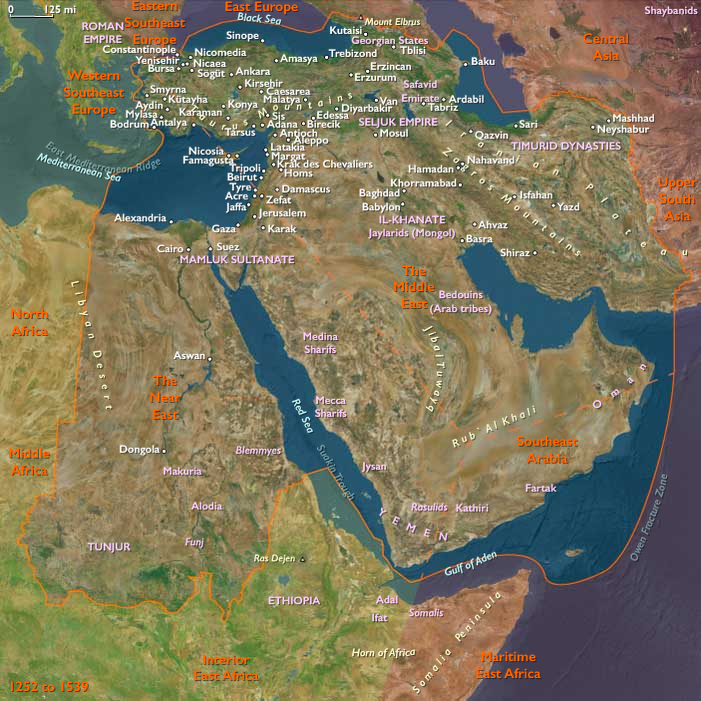
Among his achievements, Afonso is the first European to enter the Persian Gulf and leads the first voyage by a European fleet into the Red Sea.
His military and administrative works are generally regarded as among the most vital to building and securing the Portuguese Empire in the Orient, the Middle East, and the spice routes of eastern Oceania.
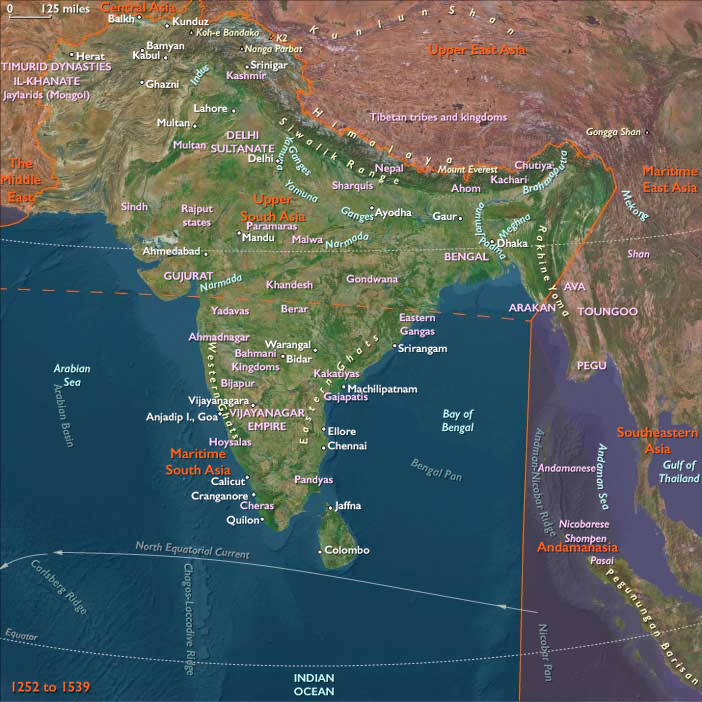
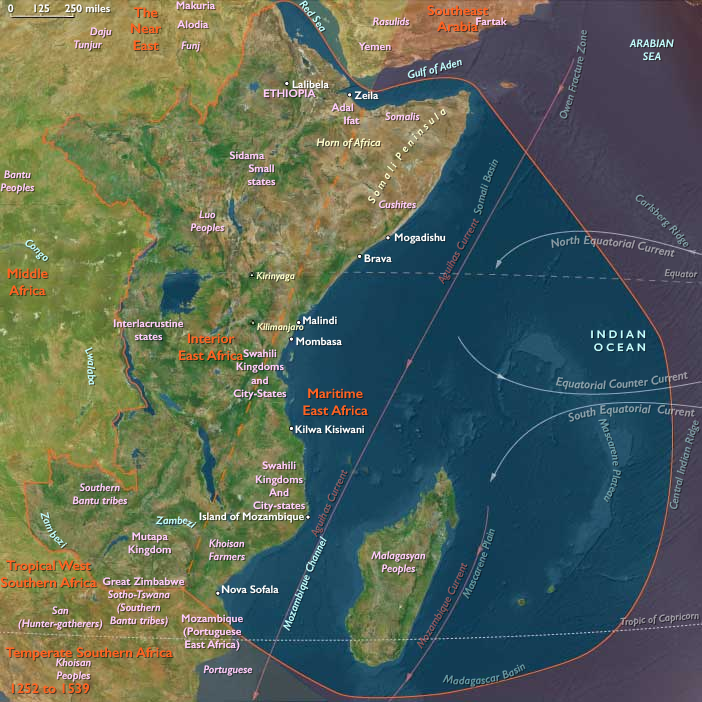
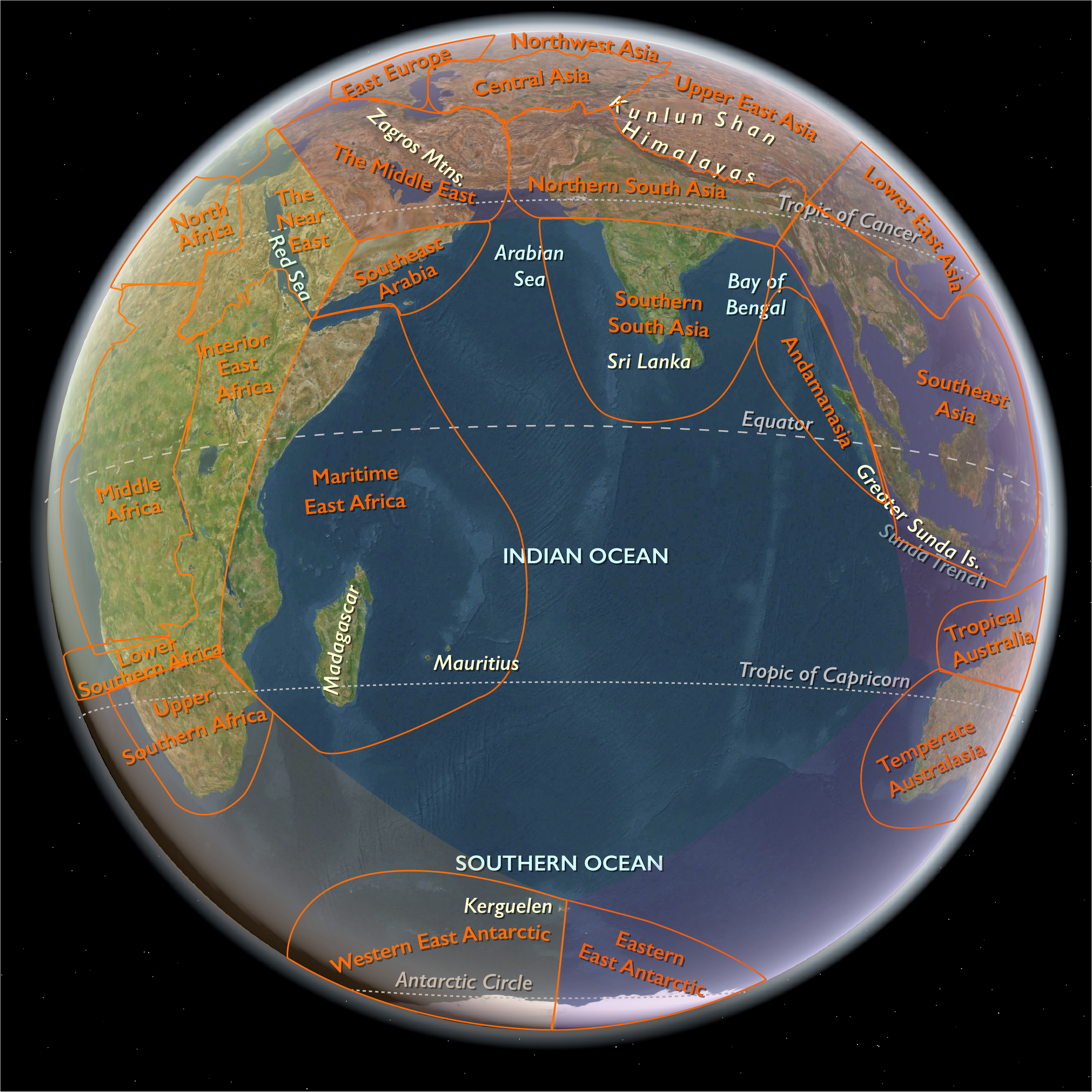
Albuquerque is generally considered a military genius, given his successful strategy: he attempts to close all the Indian Ocean naval passages to the Atlantic, Red Sea, Persian Gulf, and to the Pacific, transforming it into a Portuguese mare clausum established over the opposition of the Ottoman Empire and its Muslim and Hindu allies.
In the expansion of the Portuguese Empire, Albuquerque initiates a rivalry that will become known as the Ottoman–Portuguese war, which will endure for many years.
Many of the Ottoman–Portuguese conflicts in which Albuquerque is directly involved take place in the Indian Ocean, in the Persian Gulf regions for control of the trade routes, and on the coasts of India.
It is Albuquerque's military brilliance in these initial campaigns against the much larger Ottoman Empire and its allies that enables Portugal to become the first global empire in history.
He has a record of engaging and defeating much larger armies and fleets.
For example, his capture of Ormuz in 1507 against the Persians was accomplished with a much smaller army.
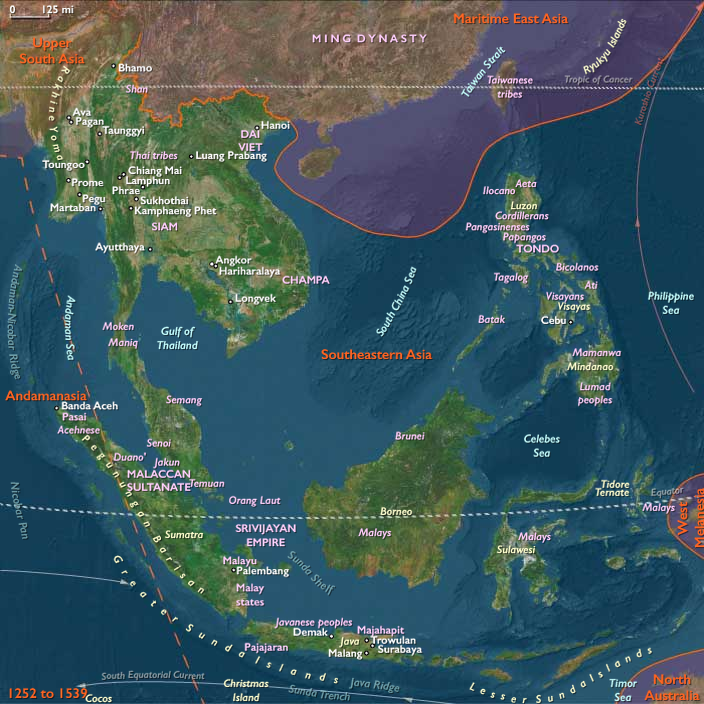
Other famous battles and offensives led by Albuquerque include the conquest of Goa in 1510 and the capture of Malacca in 1511.
He becomes admiral of the Indian Ocean, and is appointed head of the "fleet of the Arabian and Persian sea" in 1506.
During the last five years of his life, he turns to administration, where his actions as the second governor of Portuguese India are crucial to the longevity of the Portuguese Empire.
He pioneersEuropean sea trade with China during the Ming Dynasty with envoy Rafael Perestrello, Thailand with Duarte Fernandes as envoy, and with Timor, passing through Malaysia and Indonesia in a voyage headed by António de Abreu and Francisco Serrão.
He also aids diplomatic relations with Ethiopia using priest envoys João Gomes and João Sanches, and establishes diplomatic ties with Persia’s Safavid dynasty.
He becomes known as "the Great", "the Terrible", "the Caesar of the East", "the Lion of the Seas", and "the Portuguese Mars".