Adolf Frederick, King of Sweden
King of Sweden
Years: 1710 - 1771
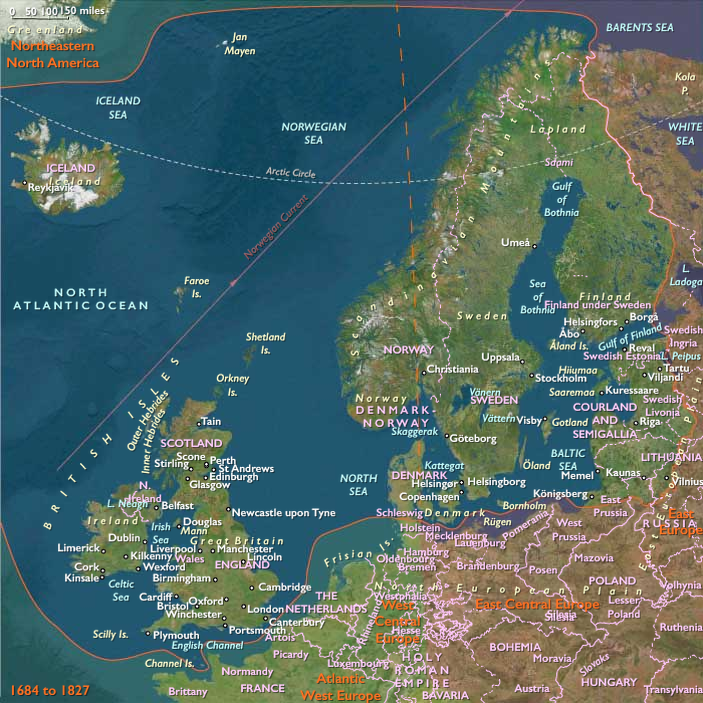
Adolf Frederick or Adolph Frederick (Swedish: Adolf Fredrik, German: Adolf Friedrich ; Gottorp, May 14, 1710 – Stockholm, February 12, 1771) is King of Sweden from 1751 until his death.
He is the son of Christian August of Holstein-Gottorp, Prince of Eutin and Albertina Frederica of Baden-Durlach.
The first King from the House of Holstein-Gottorp, Adolph Frederick is a weak monarch, instated as first in line of the throne following the parliamentary government's failure to reconquer the Baltic provinces in 1741–43.
Aside from a few attempts supported with pro-absolutist factions among the nobility, to reclaim the absolute monarchy held by former predecessors, he remains a mere constitutional figurehead until his death, by popular belief attributed to a heavy consumption of semlas, the traditional sweet rolls, called hetvägg when served warm with milk.
(He dies of digestion problems on February 12, 1771 after consuming a meal consisting of lobster, caviar, sauerkraut, smoked herring and champagne, topped off by fourteen helpings of hetvägg, the king's favorite dessert.)
His reign sees an extended period of internal peace, although the finances stagnate following failed mercantilist doctrines pursued by the Hat administration end only in the 1765–66 parliament, where the Cap opposition overtakes the government and enacts reforms towards greater economic liberalism as well as a Freedom of Press Act almost unique at the time for its curtailing of all censorship, retaining punitive measures only for libeling the monarch or the Lutheran state church.
Following his death, his son Gustav III seizes power through violent means in a 1772 coup d'etat, reinstating absolute rule.
The rule of the Riksdag is not to prevail again until after World War I, when universal and equal suffrage is also instated (although under Adolf Frederick a small number of women had had the vote).