Adam Smith
Scottish social philosopher and pioneer of political economy
Years: 1723 - 1790
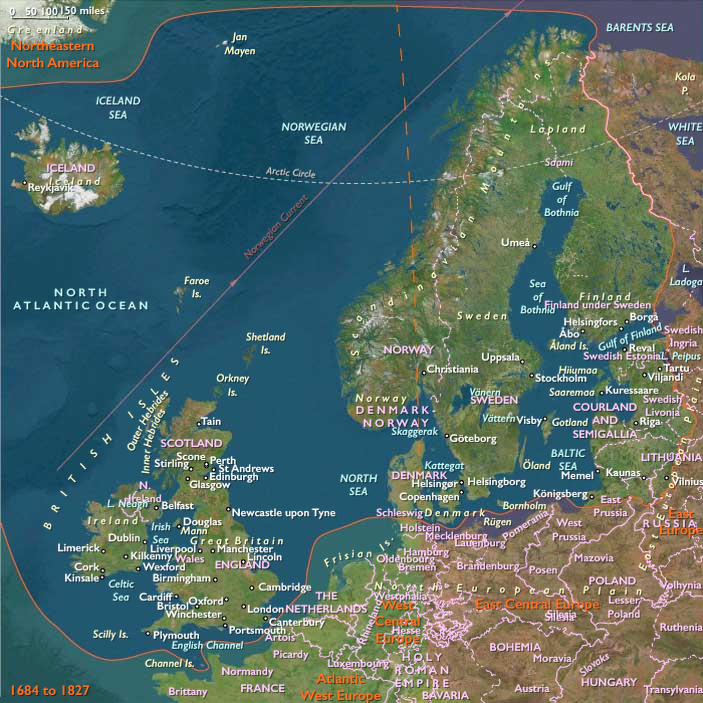
Adam Smith (baptized 16 June 1723 – 17 July 1790 [OS: 5 June 1723 – 17 July 1790]) is a Scottish social philosopher and a pioneer of political economy.
One of the key figures of the Scottish Enlightenment, Smith is the author of The Principles Which Lead and Direct Philosophical Enquiries, Illustrated by the History of Astronomy, prior to 1758, The Theory of Moral Sentiments, 1759, and An Inquiry into the Nature and Causes of the Wealth of Nations, 1776.
The latter, usually abbreviated as The Wealth of Nations, is considered his magnum opus and the first modern work of economics.
It earns him an enormous reputation and will become one of the most influential works ever published.
Smith is widely cited as the father of modern economics and capitalism and is still among the most influential thinkers in the field of economics today.
In 2009, Smith was named among the 'Greatest Scots' of all time, in a vote run by Scottish television channel STV.
Smith studies social philosophy at the University of Glasgow and at Balliol College in the University of Oxford, where he is one of the first students to benefit from scholarships set up by his fellow Glaswegian John Snell.
After graduating, he delivers a successful series of public lectures at Edinburgh, leading him to collaborate with David Hume during the Scottish Enlightenment.
Smith obtains a professorship at Glasgow teaching moral philosophy, and during this time he writes and publishes The Theory of Moral Sentiments.
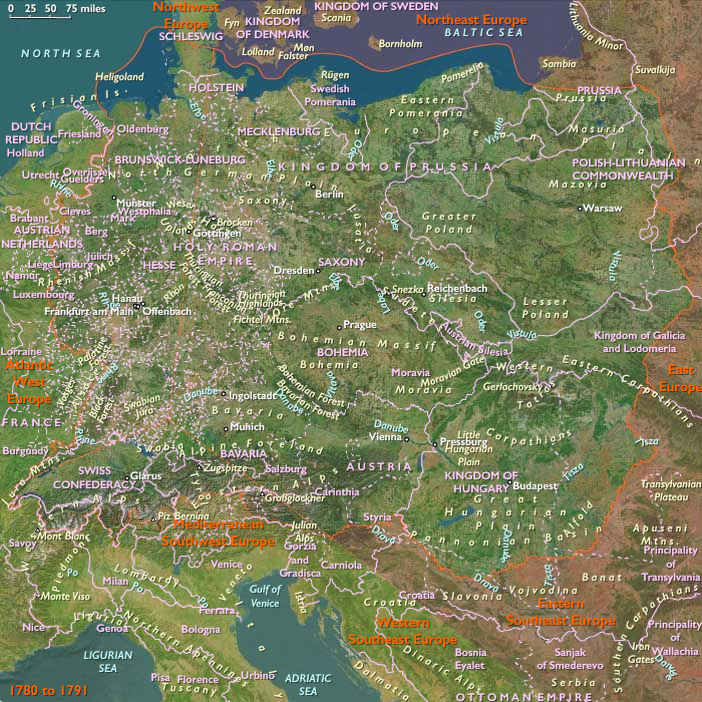
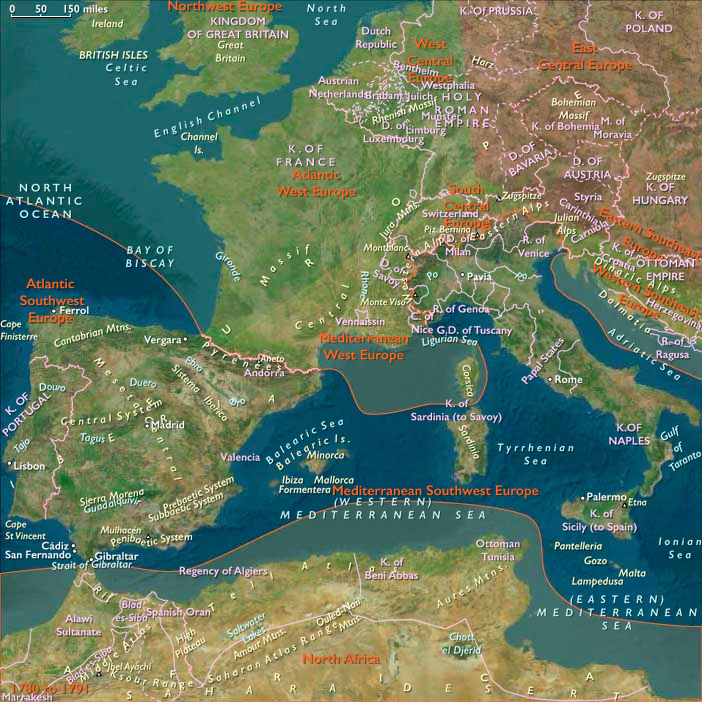
In his later life, he takes a tutoring position that allows him to travel throughout Europe, where he meets other intellectual leaders of his day.
Smith then returns home and spends the next ten years writing The Wealth of Nations, publishing it in 1776.
He dies in 1790 at the age of 67.