North Africa (904–915 CE)
Fatimid Ascendancy, Aghlabid Collapse, and Regional Realignment
Between 904 and 915 CE, North Africa undergoes profound political realignment, marked by the collapse of the longstanding Aghlabid Dynasty, the decisive rise of the Fatimid Caliphate, and intensified fragmentation within the Idrisid Dynasty.
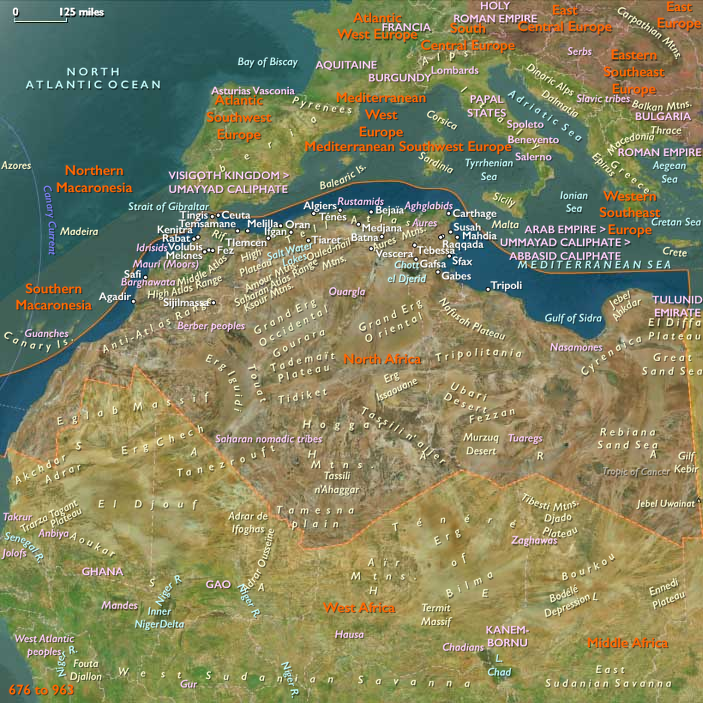
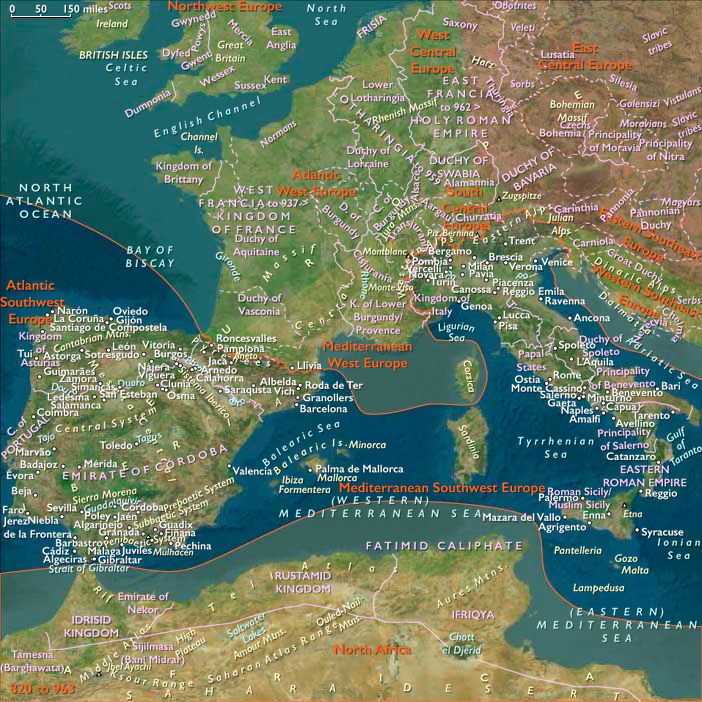
In Ifriqiya, the Fatimid movement, driven by Ismaili Shia missionaries among the Kutama Berbers, reaches a climactic point. The influential preacher Abu Abdallah al-Shi'i leads the Kutama Berbers in decisive campaigns against the weakened Sunni Aghlabids, rapidly consolidating their control over significant territories. By 909 CE, the Kutama-led forces seize Kairouan (Al Qayrawan), effectively ending Aghlabid rule. In the aftermath, the Ismaili leader from Syria, Ubaydallah al-Mahdi Billah, is installed as imam and caliph. Declaring himself caliph, Ubaydallah establishes the strategically and economically significant city of Mahdia as his new capital, formally inaugurating the Fatimid Dynasty, named after Fatima, daughter of Muhammad and wife of Ali, from whom the imam claims descent.
The establishment of the Fatimid state profoundly reshapes North African politics. With the conquest of Tahert (modern Tiaret) and the displacement of the Ibadi Rustamid Dynasty in 909 CE, the Fatimids replace the Ibadi Kharijite governance with centralized Shia rule, integrating this prosperous scholarly center into their expanding dominions.
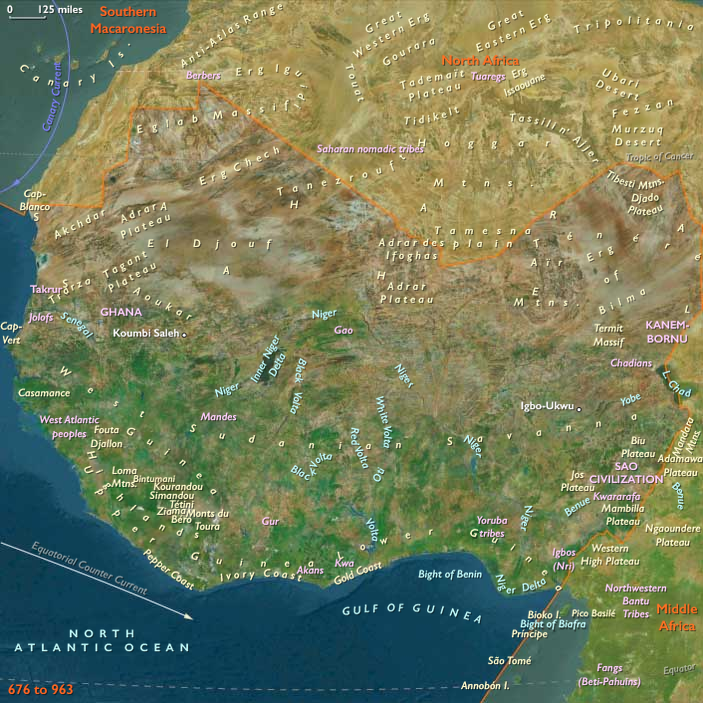
In Morocco, the Idrisid Dynasty continues to experience intensified internal fragmentation, leading to the erosion of centralized political authority. Although Fez (Fès) remains a vibrant commercial and intellectual hub, emerging Berber entities such as the Miknasa and Maghrawa tribes further assert autonomy, capitalizing on Idrisid weaknesses.
Independent polities, including the coastal Barghawata confederation along Morocco’s Atlantic coast and the economically prosperous Emirate of Nekor in northern Morocco's Rif region, persist as robust centers of commerce and cultural interchange, benefiting from stable Mediterranean trade relations. Concurrently, the Saharan city-state of Sijilmasa, under the strategic oversight of influential Tuareg tribes, continues flourishing through lucrative trans-Saharan commerce.
By the conclusion of 915 CE, the regional order of North Africa is fundamentally transformed. The rise of the Fatimids represents a pivotal realignment, challenging established Sunni powers and setting the stage for further territorial expansion and political consolidation in the Maghreb and beyond.