Abu 'Abdullah Al-Shi'i, born in Kufa in Iraq (or Sanaa, according to some accounts) had been active in the administration of the Abbasid Caliphate, before he began to associate with Ismaili teachers.
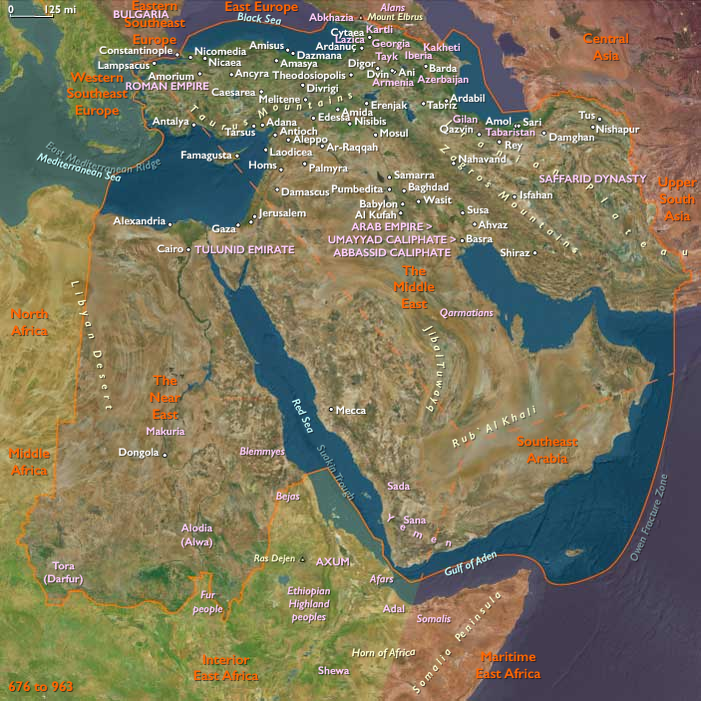
At first he had proselytized under the guidance of Ibn Hawshab in Yemen and Mecca.
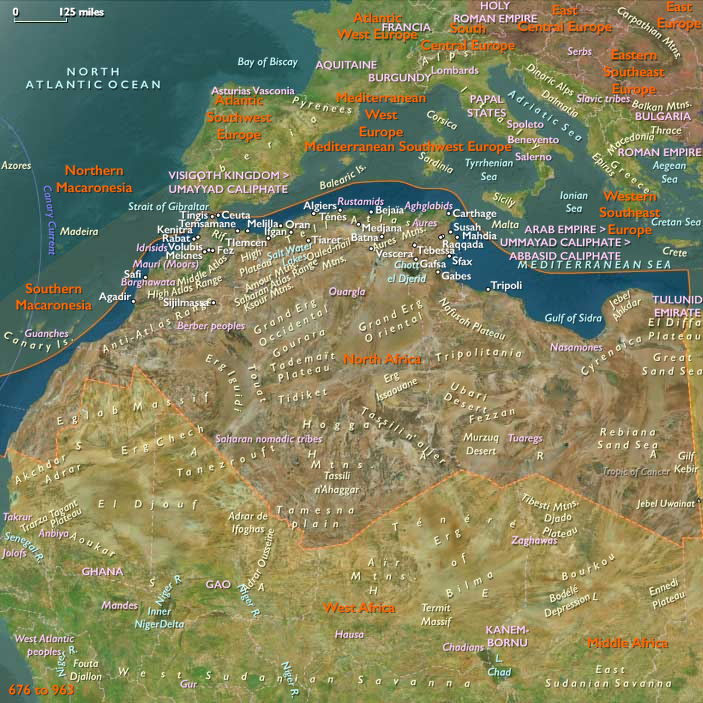
During a pilgrimage to Mecca in 892, he had met some Kutama Berbers that boasted of their independence and autonomy from the Aghlabids.
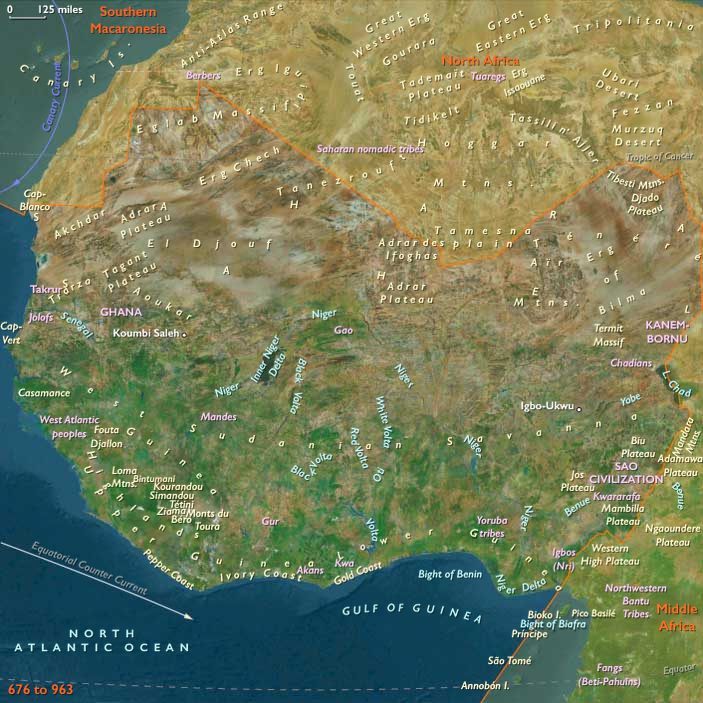
Sensing an opportunity, al-Shi'i had decided to follow their invitation to the Maghrib, where he had arrived in 893.
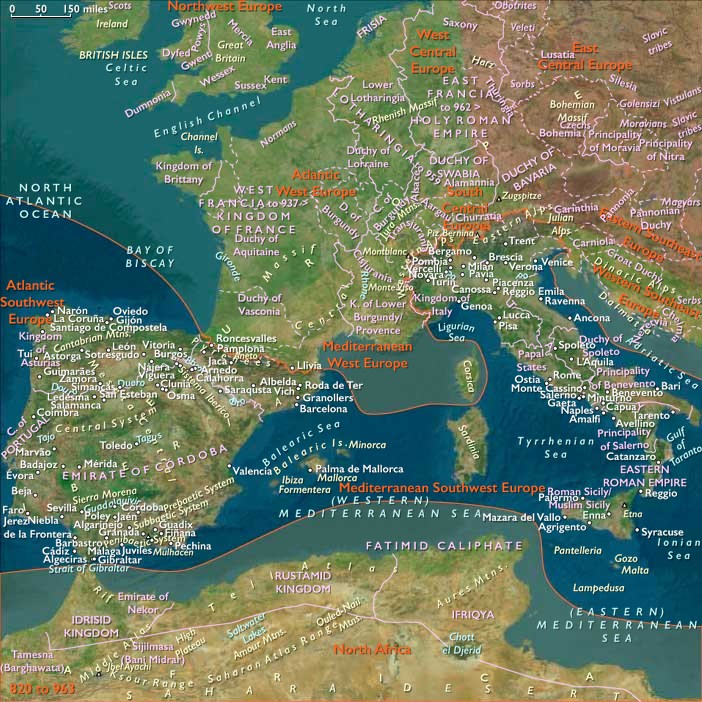
Abdallah II, who takes over the Emirate of Ifriqiya after his father Abu Ishaq Ibrahim II is forced to abdicate in 902 after a tyrannical rule, immediately sets about trying to reduce the autonomy of the Kutama Berbers in order to stop the Ismailite mission of al-Shi'i, without success, however.