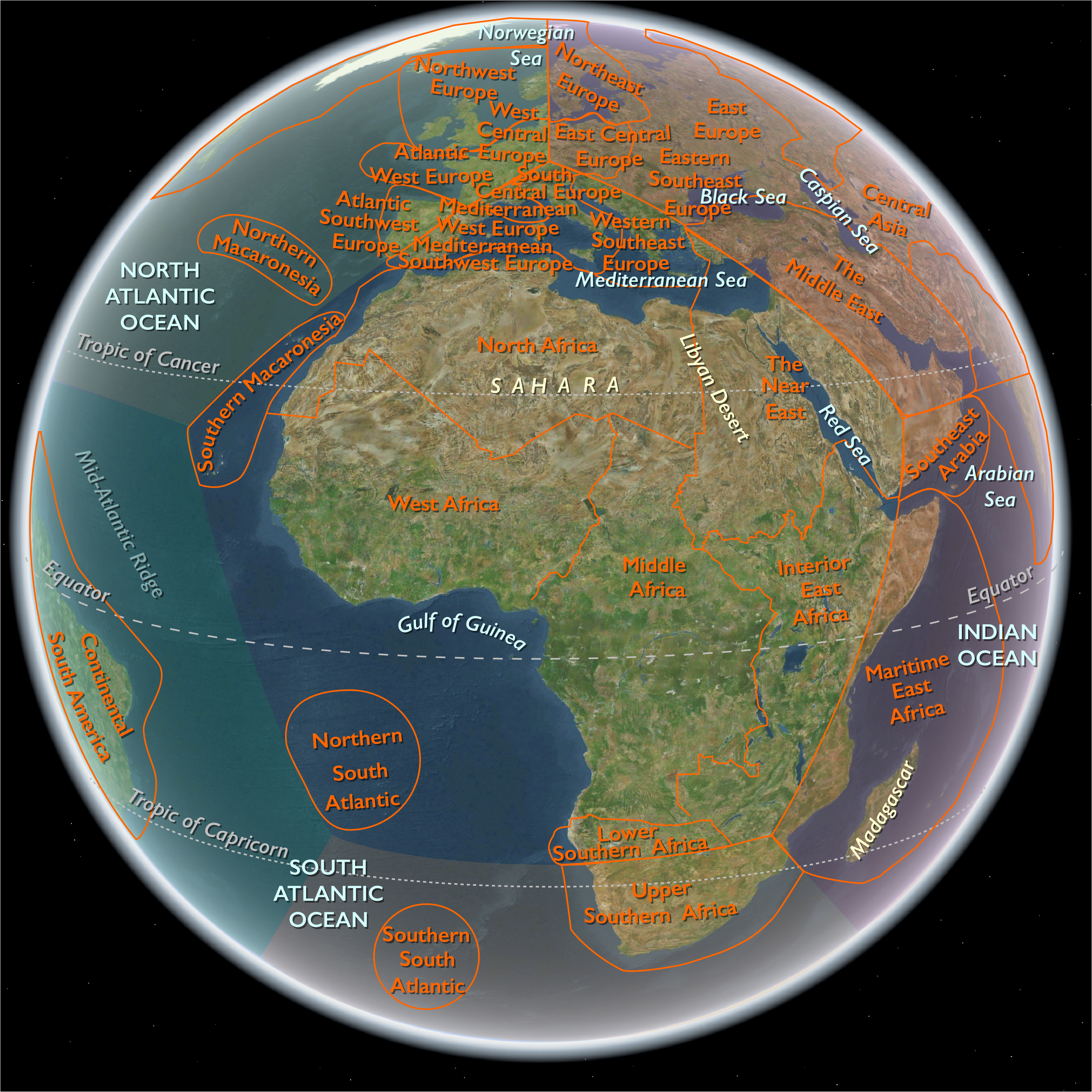
Mediterranean Southwest Europe (1000–1011 CE): Fitna of al-Andalus, Prelude to Collapse, and Cultural Traditions
The era 1000–1011 CE in Mediterranean Southwest Europe is characterized by the outbreak of severe internal strife in Al-Andalus known as the Fitna, marking a critical prelude to the caliphate’s ultimate collapse, as well as the continuity and revival of deeply rooted cultural traditions such as bullfighting.
Fitna of al-Andalus and Political Fragmentation
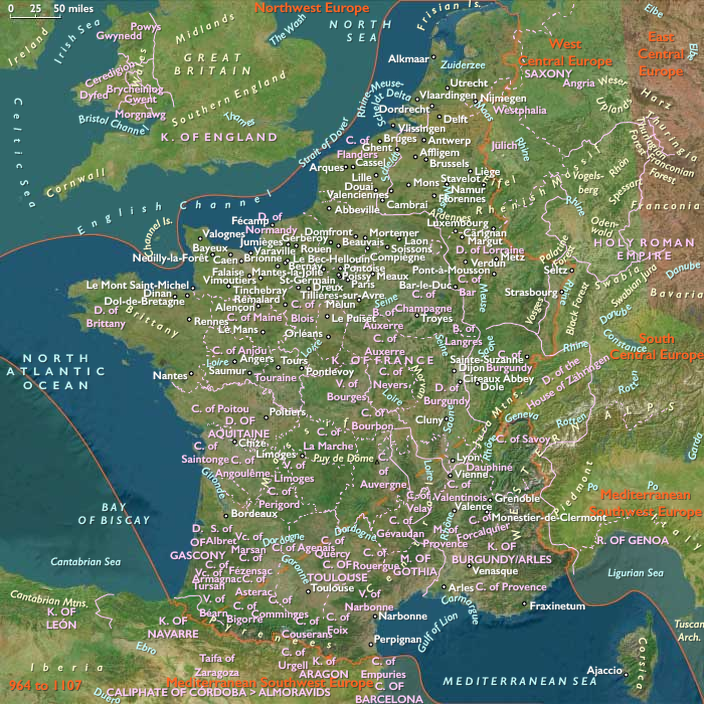
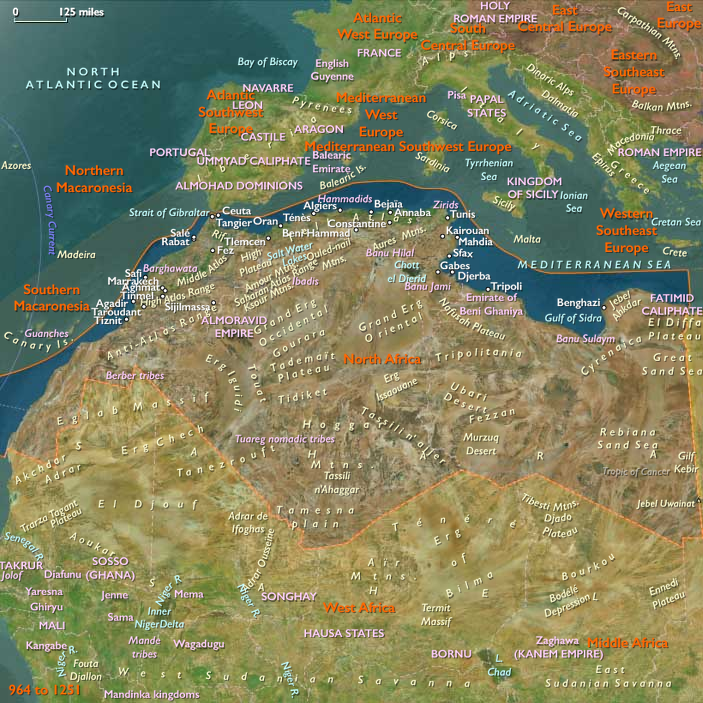
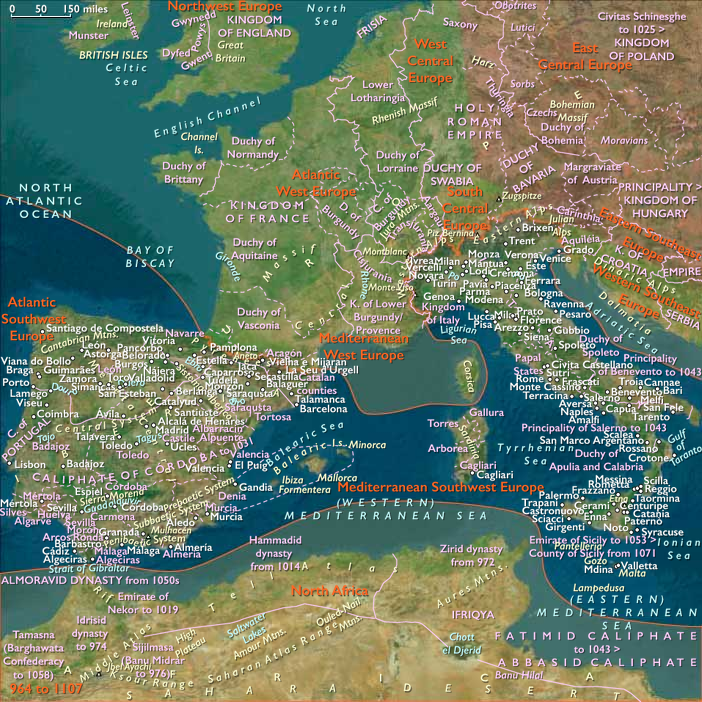
The period sees the onset of the Fitna of al-Andalus (1009–1031 CE), a severe internal crisis marked by instability and civil war. Initiated by a violent coup d'état in 1009 CE, this conflict leads to the assassination of Abd al-Rahman Sanchuelo, the son and successor of Al-Mansur, and the deposition of Caliph Hisham II al-Hakam. Muhammad II, the great-grandson of Abd-ar-Rahman III, ascends briefly to power amid growing chaos. This turbulent era significantly weakens the central authority of Córdoba, setting the stage for the eventual dissolution of the Caliphate into numerous small, independent kingdoms known as taifas.
Almanzor's Purges and Authoritarian Rule
The Fitna’s turmoil is amplified by earlier authoritarian measures taken by Almanzor (Al-Mansur), the de facto ruler until his death in 1002, who conducted extensive political and social purges throughout Muslim Al-Andalus. These harsh actions contributed significantly to the growing tensions and fragmentation that erupt dramatically in 1009.
Historical and Cultural Roots of Bullfighting
During this period, cultural practices rooted deeply in Mediterranean history, such as bullfighting, gain renewed prominence. Tracing its origins to ancient bull worship and sacrificial rites in Mesopotamia and the broader Mediterranean region, bullfighting evolved from practices depicted in Minoan Crete’s bull-leaping traditions and Roman Venationes—animal hunts held for entertainment. Evidence of early bullfighting appears in Iberian artifacts such as the Celtiberian tombstone from Clunia and the cave painting known as El toro de hachos.
Moorish Influence on Bullfighting Tradition
Notably, the Moors of Al-Andalus restore and popularize bullfighting practices involving skilled riders confronting bulls on horseback. This revival of mounted bullfighting—previously suppressed by Christian authorities—exemplifies cultural continuity and exchange within the Iberian Peninsula, highlighting the enduring Moorish influence on Iberian traditions.
Persistent Intellectual and Cultural Vitality
Despite the ongoing political turmoil, intellectual life, especially within Jewish and Mozarab communities, continues to thrive. Lucena maintains its prominence as a center of Jewish scholarship, while Mozarab communities continue to bridge Christian and Muslim cultures, preserving and fostering intellectual and cultural resilience.
Economic Stability and Technological Continuation
Technological innovations, particularly the sustained use of the Catalan forge, underpin continued economic stability and growth. Enhanced iron production continues supporting agricultural productivity, urban development, and military capabilities across the region.
Legacy of the Era
The era 1000–1011 CE marks a critical juncture in Al-Andalus, defined by the Fitna’s onset and the imminent collapse of centralized caliphal power. Simultaneously, the revival and continuation of ancient cultural traditions such as bullfighting illustrate the region’s enduring cultural complexity and resilience, significantly influencing the historical trajectory of Mediterranean Southwest Europe.