Abd al-Rahman al-Mahdi
Sudanese politician
Years: 1885 - 1959
Sayyid Abd al-Rahman al-Mahdi, KBE (July 15, 1885 – 24 March 1959) is a Sudanese politician.
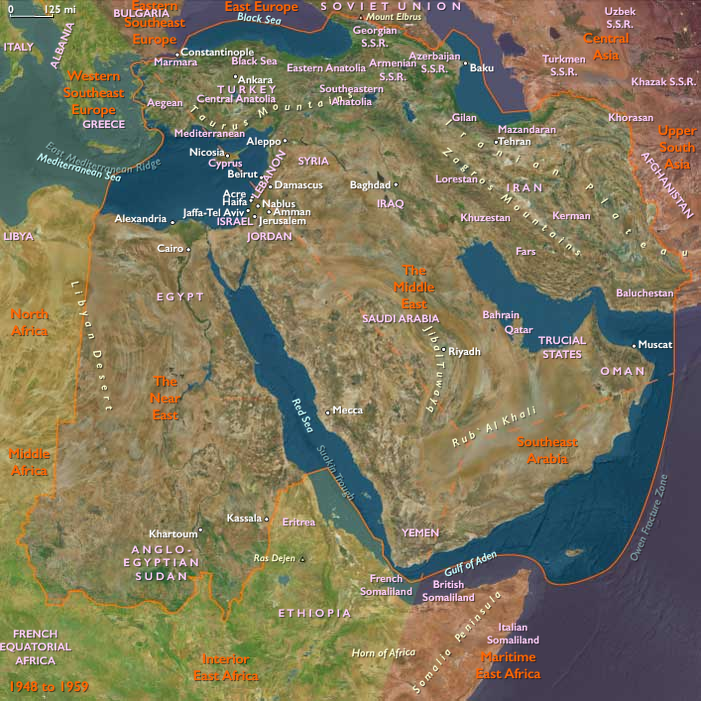
He is one of the leading religious and political figures during the colonial era in the Anglo-Egyptian Sudan (1898–1955), and continues to exert great authority as leader of the Neo-Mahdists after Sudan becomes independent.
The British try to exploit his influence over the Sudanese people while at the same time profoundly distrusting his motives.
Throughout most of the colonial era of the Anglo-Egyptian Sudan the British see Sayyid Abd al-Rahman al-Mahdi as important as a moderate leader of the Mahdists.
Abd al-Rahman is the posthumous son of Muhammad Ahmad bin Abd Allah, who had proclaimed himself the Mahdi or redeemer of the Islamic faith in 1881, and died in 1885 a few months after his forces had captured Khartoum.
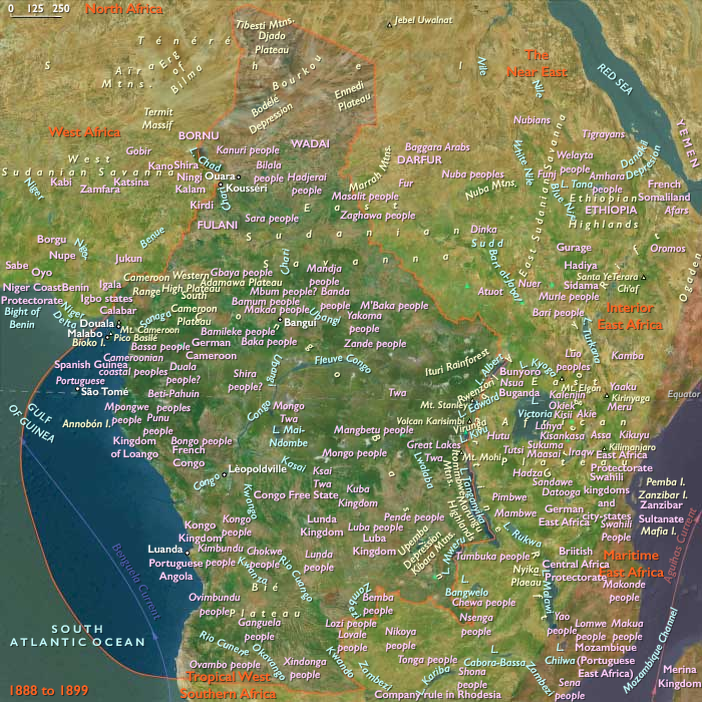
A joint British and Egyptian force had recaptured Sudan in 1898.
At first, the British had severely restricted Abd al-Rahman's movement and activity.
However, he had soon emerged as the Imam (leader) of the Ansar religious sect, supporters of the Mahdist movement.
The British maintain a close political relationship with Abd al-Rahman, despite him being a Muslim leader.
Meanwhile, he grows wealthy from cotton production, for which his supporters had provided labor since he was a child exiled to Aba Island, and is influential and well loved among his people.
The British administration distrusts him because they cannot control him or use him to exert influence on Sudan.
In the 1930s Abd al-Rahman speaks out against a treaty between Egypt and Britain that recognizes Egyptian claims of sovereignty in Sudan, although no Sudanese had been consulted, traveling to London to make his case.
His Ansar followers becaome an influential faction in the General Congress established in 1938, and in the successor Advisory Council set up in 1944.
Abd al-Rahman is patron of the nationalist Ummah (Nation) political Party in the period before and just after Sudan becomes independent in 1956.
In 1958 the Umma party wins the most seats in the first parliamentary elections after independence.
In November 1958 the army stages a coup, which Abd al-Rahman supports.
He dies on March 24, 1959, aged 73.
In the post-war period, the Mahdi's family had become the wealthiest family in Sudan from cotton production, mainly supported by the Baggara followers from Darfur and Kordofan.
These western tribes had been the backbone of the original Mahdist movement.
The riverine tribes were more inclined to side with the rival Khatmiyya movement.
Abd al-Rahman's economic activity, and the resulting wide range of contacts with merchants and owners and his schemes for irrigating cotton fields, had given him influence among Sudanese engaged in commerce.
As of January 1, 1922, the government had become wary of his influence and power, and so suspended his economic activity.
The allowance of Abd al-Rahman had been increased somewhat, but only so that he could support old women and other incapable people whose income had also been stopped by the government.