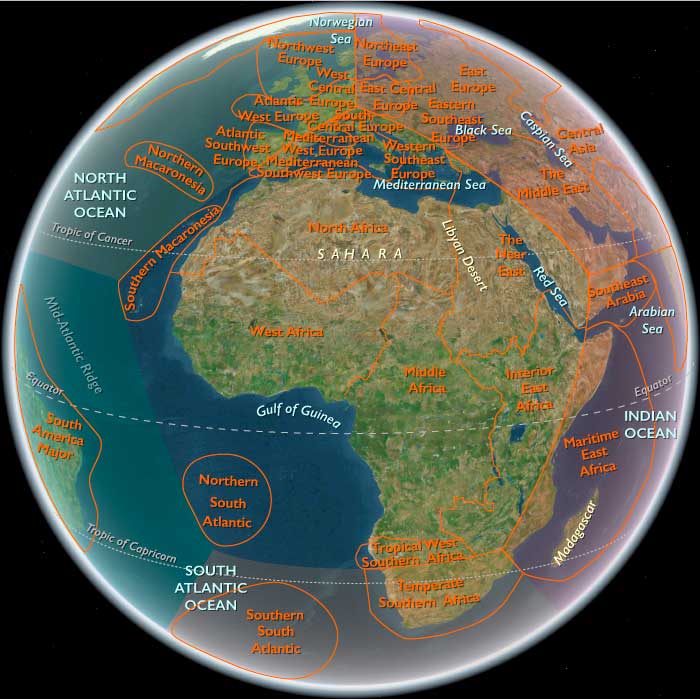
North Africa (1912–1923 CE)
Consolidation of Colonial Dominance and Rise of Nationalist Resistance
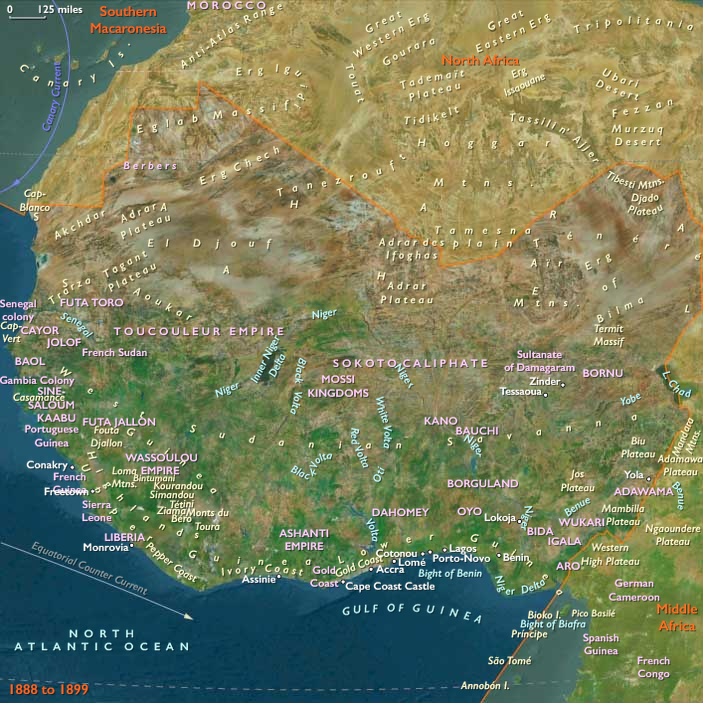
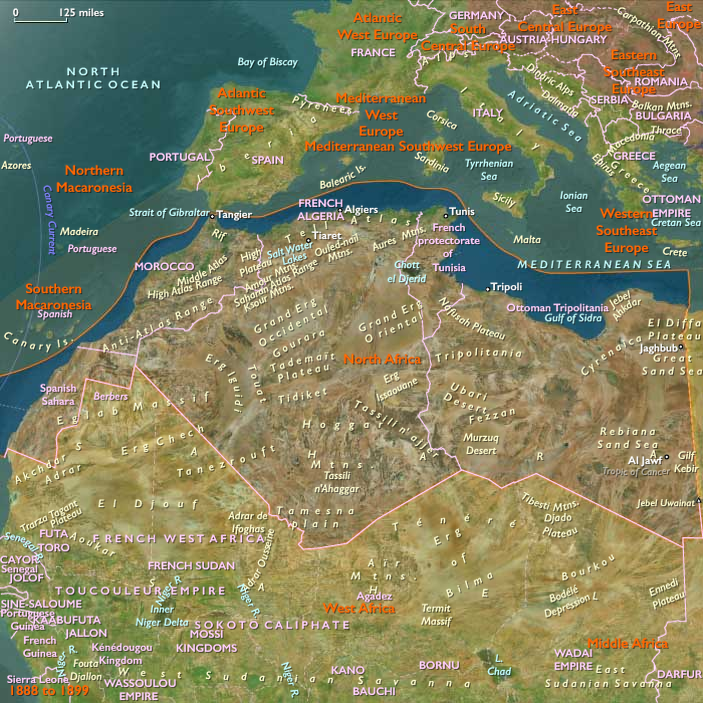
The era from 1912 to 1923 in North Africa witnesses intensified European colonial control and significant local responses, marked by growing nationalist movements and heightened socio-political transformations across Algeria, Tunisia, Libya, and Morocco.
Algeria: Entrenchment of French Rule and Emerging Resistance
In Algeria, French colonial policies deepen their grip, driven by the interests of the European settler population (colons). Indigenous Algerians experience further land seizures and economic disenfranchisement, exacerbating rural poverty and urban overcrowding. Algerian Muslims remain severely underrepresented in political institutions, their rights significantly curtailed by the French administration.
Despite continued resistance and increasing nationalist sentiment, organized opposition is fragmented. However, the groundwork for future nationalist movements is laid during this period, particularly among the growing educated elite who begin articulating political and social reforms.
Tunisia: Institutionalization of Colonial Control and Early Nationalist Activity
Tunisia solidifies as a French protectorate, its administrative and economic policies firmly subordinated to French interests. The role of the Tunisian Bey and local elites continues to be marginalized, fueling resentment among the indigenous population. Economic exploitation by French enterprises heightens socioeconomic disparities, spurring increased nationalist awareness and grassroots organization among Tunisians.
Emerging nationalist leaders begin advocating for reforms and greater political participation, setting the stage for the organized resistance movements that will significantly impact Tunisian political life in subsequent decades.
Libya: Sanusi Resistance and Italian Occupation
Libya experiences significant upheaval as Italy initiates a military invasion in 1911, formally establishing its colonial rule in 1912 after overcoming fierce resistance. The Sanusi Order, already influential under the leadership of Muhammad al-Mahdi as-Sanusi, becomes a central force in the anti-colonial resistance. Following the Mahdi’s death in 1902, his successor, Ahmed Sharif as-Sanusi, and later Omar al-Mukhtar, intensify the jihad against Italian forces.
Despite brutal Italian military campaigns and oppressive tactics, the Sanusi-led resistance remains resilient, particularly in Cyrenaica, where the Sanusis maintain substantial territorial control and widespread tribal allegiance. This persistent resistance foreshadows ongoing conflict and anti-colonial struggles in the decades to follow.
Morocco: Establishment of French and Spanish Protectorates
Morocco's sovereignty is significantly undermined as it is formally divided into French and Spanish protectorates in 1912, following the Treaty of Fez. The French protectorate, controlling the majority of the country, implements extensive colonial reforms designed to benefit French settlers and economic interests. Sultan Moulay Abd al-Hafid, facing overwhelming pressure, abdicates, and the new Sultan, Moulay Youssef, assumes a largely ceremonial role under French supervision.
The Spanish protectorate in northern Morocco faces fierce resistance, notably during the Rif War (1921–1926), led by Abd el-Krim, who successfully mobilizes tribal forces against Spanish occupation, achieving significant military victories and establishing the short-lived Republic of the Rif. His resistance gains international attention and significantly inspires anti-colonial sentiment throughout North Africa.
Socioeconomic Impacts and Nationalist Awakening
Across North Africa, the socioeconomic impacts of colonial policies intensify. Indigenous populations increasingly suffer from economic disenfranchisement and marginalization, prompting growing urban poverty and rural displacement. These pressures catalyze a more profound nationalist awakening, as educated elites and grassroots activists advocate political and social reforms, calling for independence and self-determination.
By 1923, North Africa stands at a critical juncture. Entrenched colonial structures face mounting local resistance, and nationalist movements lay the foundation for sustained anti-colonial struggles that will shape the region's political future profoundly.