
Alkmaar Noord-Holland Netherlands
1253 CE
Worlds
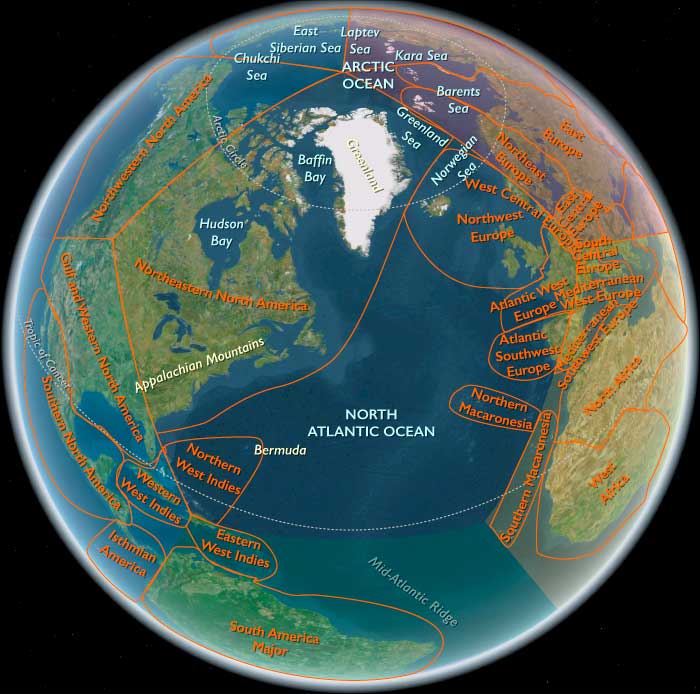
The Atlantic Lands
View →Related Events
Showing 5 events out of 5 total
The Agricultural and Economic Expansion of the Low Countries (c. 1000 CE)
Around the year 1000, a period of rapid economic development began in the Low Countries, particularly in Flanders and Utrecht, as farmers undertook large-scale land reclamation projects. This transformation laid the groundwork for the region’s commercial success, fostering the rise of independent farms, trade networks, and urban centers.
Agricultural Expansion and Land Reclamation
- Farmers from Flanders and Utrecht began purchasing, draining, and cultivating the swamplands and marshes of what was then called West Friesland (modern North and South Holland).
- Unlike in other parts of Europe, these farmers built independent farms rather than forming villages, creating a unique pattern of scattered homesteads.
- The increased agricultural productivity allowed surplus production, enabling some workers to move into trades and commerce.
The Rise of Trade and Guilds
- As agricultural output grew, production exceeded local needs, leading to the emergence of markets and trade networks.
- Guilds were established, organizing artisans and merchants into structured economic communities.
- The introduction of currency further facilitated trade, making economic exchanges more efficient than the earlier barter-based system.
Urbanization and the Growth of a Mercantile Middle Class
- Existing towns expanded, and new towns were founded, often developing around monasteries and castles, which provided security and economic hubs for trade.
- A mercantile middle class emerged in these urban areas, forming the early foundations of the Netherlandish commercial economy.
Commerce, Population Growth, and Urbanization
- As the population grew, so too did commerce and town development, creating a dynamic and interconnected regional economy.
- The Low Countries began transitioning from a subsistence-based economy to one driven by trade, specialization, and urban markets, foreshadowing their later dominance in European commerce and finance.
Legacy
This period of economic and agricultural transformation positioned the Low Countries as one of the most commercially advanced regions in medieval Europe. The combination of land reclamation, market expansion, and urban growth laid the foundation for the thriving trade cities of the High and Late Middle Ages, such as Bruges, Ghent, and Antwerp.
Alkmaar, and ...
Alkmaar—which in 1571 had seen the opening of a cheese market that remains open to the present day—becomes in 1573 the first Dutch town to resist a Spanish siege led by the duque de Alba, thus stiffening the resolve of rebels throughout the Low Countries.
Dutch poet Henric Laurenszoon Spieghel is active in the movement toward the purification and wider use of the Dutch language, principles that he advocates in his Twe-spraack van de Nederduitsche Letterkunst (1584; “Dialogue on Dutch Literature”).
In the years following the 1799 invasion, defensive lines will be constructed in Holland to protect Amsterdam from future invasions from the north.