
York surrenders to the Norwegians under the …
Years: 1066 - 1066
September
York surrenders to the Norwegians under the promise that the victors will not force entry to their city, perhaps because Tostig would not have wanted his capital looted.
After briefly occupying York and taking hostages and supplies from the city, they return to their ships at Riccall.
They offer peace to the Northumbrians in exchange for their support for Harald's bid for the throne, and demand further hostages from the whole of Yorkshire.
It is arranged that the various hostages should be brought in and the Norwegian army retires to Stamford Bridge, seven miles (eleven kilometers) east of York, to await their arrival.
There is no village at Stamford Bridge in 1066 and not even in 1086 when the Domesday Book will be compiled.
The name is locative and descriptive of crossing points over the River Derwent being derived from a combination of the words stone, ford and bridge, i.e., stoneford and bridge.
At the location of the present village, within the river bed, there is an outcrop of stone over which the river once flowed as a mini-waterfall.
At low water levels one could easily cross over the river at this point, either on foot or horseback.
Locations
People
- Edith of Wessex
- Edward the Confessor
- Edwin
- Harald Hardrada
- Harold Godwinson
- Morcar
- Tostig Godwinson
- William the Conqueror
Groups
- Anglo-Saxons
- Welsh people
- Danes (Scandinavians)
- Normandy, Duchy of
- Normans
- Norway, independent Kingdom of
- England, (Anglo-Saxon) Kingdom of
- England, (Norman) Kingdom of
Topics
Commodoties
Subjects
Regions
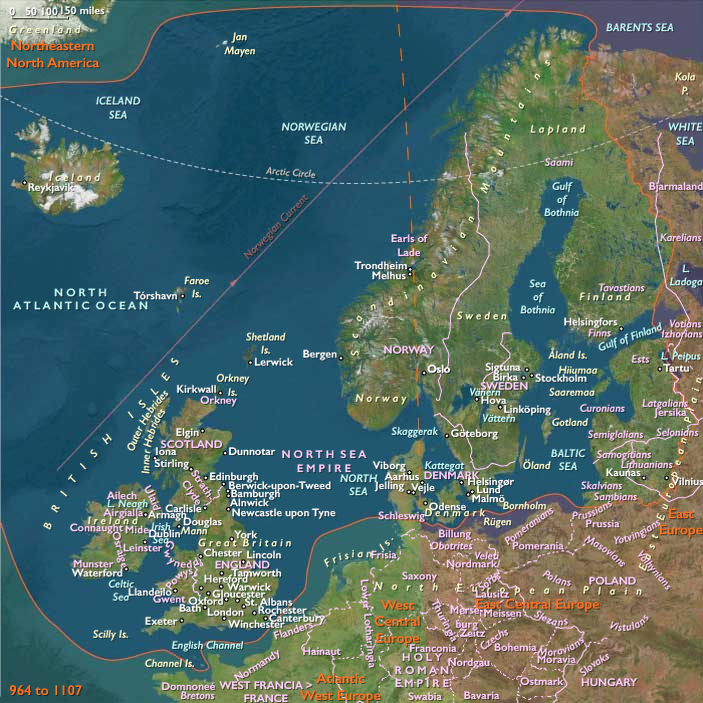
Subregions
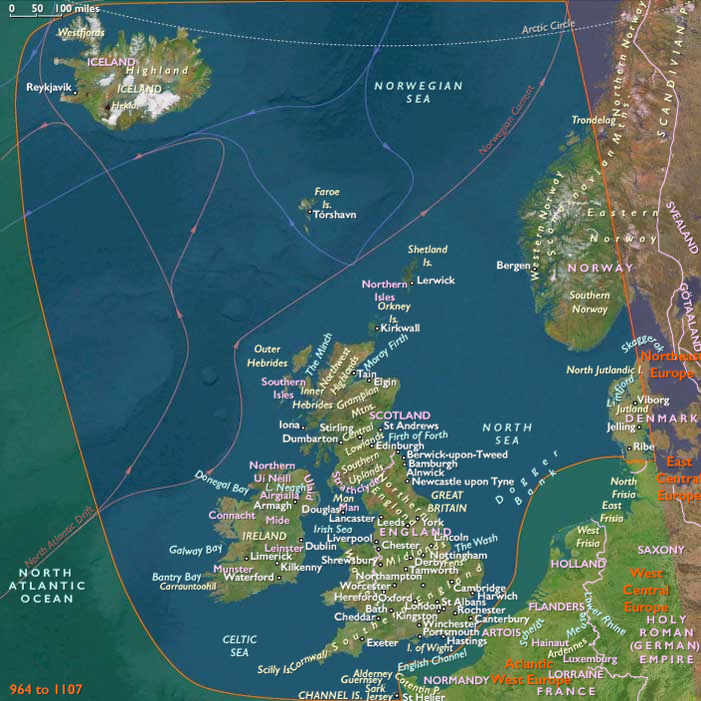
Related Events
Showing 10 events out of 50908 total
Years: 1066 - 1066
September
Locations
People
- Edith of Wessex
- Edward the Confessor
- Edwin
- Harald Hardrada
- Harold Godwinson
- Morcar
- Tostig Godwinson
- William the Conqueror
Groups
- Anglo-Saxons
- Welsh people
- Danes (Scandinavians)
- Normandy, Duchy of
- Normans
- Norway, independent Kingdom of
- England, (Anglo-Saxon) Kingdom of
- England, (Norman) Kingdom of
Topics
Commodoties
Subjects
Regions
Subregions